






Managing remote contractors across multiple continents creates complex payment challenges that go beyond simple wire transfers. Companies face fluctuating exchange rates, compliance requirements, and mounting transaction fees while their international team members wait for timely compensation. These B2B cross-border payments represent trust and the ability to retain top global talent. The right approach transforms chaotic operations into streamlined processes that support the growth of the distributed workforce.
Modern solutions handle multi-currency payments, foreign exchange management, and contractor compliance through centralized platforms. Companies gain clear visibility into costs and regulatory requirements while ensuring accurate, on-time compensation for international team members. This approach eliminates the need to juggle multiple banking relationships and payment providers. Businesses looking to simplify these operations can benefit from comprehensive payroll software designed for global workforce management.
Summary
- Cross-border hiring grew 104% between 2021 and 2023, according to Deel's Global Growth Report, making international payment systems a daily reality for millions of workers rather than a niche concern. Workers typically ignore payment infrastructure until delays disrupt rent payments or unexpected fees reduce earnings by hundreds of dollars. The assumption that companies handle technical details breaks down the moment something goes wrong, revealing how dependent global workers are on systems they don't control or understand.
- B2B cross-border payments account for over $150 trillion in annual transaction volume according to Stripe's industry report, yet 70% of businesses report challenges with processing times. Workers rarely see this massive scale, but they feel the consequences when inefficient systems slow their specific payment or apply unfavorable currency conversion rates. Each intermediary bank, compliance check, and documentation requirement introduces friction, transforming what should be straightforward compensation into an unpredictable financial experience.
- Currency conversion spreads quietly erode earnings without a clear explanation. A payment provider might advertise zero transfer fees while applying exchange rates 3 to 5% worse than mid-market rates. A contractor receiving $3,000 monthly could lose $90 to $150 per payment to conversion spreads alone, totaling $1,080 annually in reduced income that disappears before deposit confirmations arrive. These hidden costs add up to significant losses for anyone making frequent international payments.
- Modern payment infrastructure now supports 24/7 processing according to J.P. Morgan's 2025 financial institution trends, eliminating delays caused by traditional banking hours and weekend cutoffs. Workers no longer wait until Monday afternoon for Friday payments to clear when systems operate continuously. Predictable timing matters more than raw speed because contractors build financial lives around reliable payment schedules, and consistent arrival dates enable better planning than unpredictable fast transfers.
- Cross-border payment volumes are projected to reach $250 trillion by 2027, driven partly by workers demanding greater control over how they receive and manage international earnings. Payment flexibility has shifted from a luxury feature to a competitive requirement as global talent evaluates opportunities based on currency options, payout methods, and conversion timing. Workers in volatile currency environments particularly benefit from holding USD or choosing when to convert rather than accepting immediate conversion at unfavorable rates.
- Payroll software addresses this by consolidating multi-currency payments, compliance workflows, and global account access into centralized platforms that reduce the administrative burden and fee erosion, fragmenting traditional cross-border payment systems.
Why Most Workers Ignore B2B Cross-Border Payments Until Something Goes Wrong
Most workers don't think about international payment systems until money doesn't arrive on time or arrives with less than expected. Payment infrastructure feels invisible when it works, like plumbing you never notice until something breaks.

🎯 Key Point: Cross-border payment issues only become visible when they directly impact workers' financial stability and daily life.
A delayed transfer disrupts rent payments. Unexpected fees reduce take-home income by hundreds of dollars. Currency conversion spreads erode earnings without explanation. Administrative bottlenecks delay onboarding and a worker's first payment by weeks, creating financial stress before work begins.

"Payment infrastructure feels invisible when it works, like plumbing you never notice until something breaks."
⚠️ Warning: By the time workers notice payment problems, they're already experiencing real financial consequences that could have been prevented with better system transparency.
The scale of the problem
International work has expanded significantly. According to Deel's 2024 Global Growth Report, cross-border hiring grew 104% between 2021 and 2023. As more workers earn income from companies based in other countries, the systems used to transfer money across borders directly affect their financial stability.
Stripe's State of B2B Cross-Border Payments report shows that B2B cross-border payments account for over $150 trillion in annual transaction volume. Workers feel the consequences when inefficient systems slow payments or take larger cuts than expected.
When payment friction becomes visible
Workers discover that payment infrastructure exists when transfers take longer than expected to clear. Fees charged by banks, intermediaries, or payment providers reduce the amount received, often without a clear explanation. Currency conversion rates may be less favorable than anticipated, resulting in losses that become apparent only when workers compare what was sent with what arrived.
How do administrative delays impact worker onboarding?
Administrative friction adds another layer. Repeated documentation requests, payment setup delays, compliance reviews, and verification requirements slow onboarding. Even after payments are initiated, workers lack visibility into transfer status or expected arrival times.
What challenges arise when managing income across multiple countries?
Managing income across multiple countries complicates cash flow. Workers navigate different currencies, banking systems, payout methods, and financial regulations while maintaining a steady cash flow. Budgeting becomes difficult when payment timing and amounts remain uncertain.
How does payment infrastructure directly impact workers?
Payment infrastructure directly affects workers by influencing how quickly earnings arrive, how much remains after fees and conversions, and how manageable it is to work internationally. Traditional banking and legacy payment providers create friction through multiple intermediaries, unclear fee structures, slow settlement times, and limited visibility.
Platforms like payroll software address this by giving workers a global account that consolidates payment receipts, currency management, and spending in one system, reducing administrative burden and fee erosion.
Why don't workers understand international payments?
As global work becomes more common, payment infrastructure is part of everyday financial life for anyone earning money internationally. Yet most workers don't understand what happens when money moves between countries or why it sometimes doesn't work as expected.
Related Reading
- Best International Payroll Software
- Pay International Employees
- How Much Does It Cost To Outsource Payroll
- Global Payroll Implementation
- Benefits Of Hiring Remote Workers
- Multi-Country Payroll Outsourcing
What Are B2B Cross-Border Payments?
B2B cross-border payments are transactions where one business sends money to another across international borders to contractors, freelancers, agencies, suppliers, and service providers in different countries.

💡 Example: A contractor in Colombia gets payment from a U.S. company. A freelancer in the Philippines gets paid by a German client. A remote employee in Kenya works for a UK-headquartered business.
For workers, these payments often work invisibly until something goes wrong. Each transaction requires money to cross borders before the worker can access earnings.

"Cross-border payments are the backbone of global commerce, enabling businesses to operate across multiple countries and access international talent pools." — Global Payment Systems Report, 2024
🔑 Key Takeaway: Cross-border B2B payments are essential for global business operations, but they introduce complexity and potential delays that can impact worker satisfaction and business relationships.

Common B2B Cross-Border Payment Scenarios
Companies regularly make international payments for contractor compensation, freelance project fees, agency retainers, vendor invoices, and salaries for distributed teams. These transactions involve considerably more complexity than domestic transfers.
Cross-border payments pass through multiple banks, payment networks, and intermediary institutions before reaching the recipient. According to PYMNTS, 70% of businesses report challenges with cross-border payment processing times. Each additional participant introduces processing delays, fees, or documentation requirements.
Currency conversion adds another friction layer. When the sender and recipient use different currencies, funds must be exchanged at constantly fluctuating rates, and exchange-rate spreads can reduce take-home income without workers understanding why.
Why Cross-Border Payments Are More Complex Than They Appear
Juniper Research projects cross-border B2B payments will reach $39 trillion by 2026. As contractor-based work becomes the standard model for global hiring, payment infrastructure shifts from a back-office concern to a core element of worker experience.
B2B cross-border payments are the financial infrastructure that enables companies to hire global talent and build distributed workforces without geographic constraints. When this infrastructure works well, it becomes invisible. When it breaks, workers feel the consequences immediately.
What compliance challenges slow down international payments?
Compliance requirements add invisible overhead. Financial institutions verify transactions, monitor for fraud, comply with anti-money laundering regulations, and satisfy local reporting obligations. These checks protect the financial system but occasionally cause delays or trigger additional documentation requests, which workers experience as unexplained payment holds.
How do varying regulations affect global payment processing?
Local regulations vary dramatically by country. Differing banking rules, tax requirements, reporting obligations, and payment restrictions require businesses operating globally to navigate multiple regulatory environments simultaneously. A payment method that works efficiently between the U.S. and Canada may encounter problems when routing funds to the Philippines or Argentina.
Settlement timelines depend on the countries involved, payment methods used, banking partners, and compliance reviews required during processing. Domestic transfers often settle within hours, while international payments may take several days.
How do modern platforms solve cross-border payment inefficiencies?
Modern payment platforms, such as payroll software, solve these problems by providing a complete system that handles compliance, currency conversion, and payment processing. Our platform gives contractors a global account to receive, spend, and move money without the friction of traditional banking.
Why Businesses Rely on B2B Cross-Border Payments
Companies hire people from around the world to find workers with special skills, reduce costs, and gain flexibility in operations. The challenge is ensuring they can pay these workers without issues—a need in which B2B cross-border payments become critical for global operations.

🎯 Key Point: Global talent acquisition requires a seamless payment infrastructure to unlock international workforce potential and maintain a competitive advantage.
"Cross-border payments are the backbone of global business operations, enabling companies to access talent and reduce costs while maintaining operational flexibility." — International Business Research, 2024

💡 Best Practice: Companies that invest in reliable cross-border payment systems can reduce processing times by up to 75% and eliminate payment delays that often frustrate international employees and contractors.
How does remote work expand your talent pool?
Traditional hiring limits companies to those who live within commuting distance or are willing to relocate. Geography removes this constraint. A software company in Austin can hire a senior engineer in Poland, a designer in Brazil, and a product manager in Singapore, all working as contractors on the same project. According to Remote's 2025 Global Workforce Report, more than half of surveyed employers expect to increase international hiring this year.
What infrastructure makes distributed teams possible?
Remote work infrastructure now supports this shift. Video calls, project management tools, and asynchronous communication platforms enable distributed collaboration. What once required physical offices and expensive relocations now happens through laptops and reliable internet.
Speed and flexibility matter more than ever
Hiring locally means waiting months to fill specialized roles; hiring globally means accessing talent immediately. A company needing cybersecurity expertise can hire the best person available, often as a contractor, who can start within days rather than weeks.
This flexibility extends beyond individual roles. Companies scale teams up or down based on project needs without the overhead of traditional employment. A marketing agency might bring on three contractors for a product launch, then reduce to one for ongoing maintenance. Such flexibility becomes impossible when every hire requires full-time employment infrastructure in multiple countries.
Why do companies still rely on expensive EOR services?
Most companies assume that hiring globally requires Employer of Record services to navigate regulations, payroll, and local employment laws. EOR providers charge substantial per-employee fees, introduce process complexity, and slow hiring velocity. The shift toward contractors reflects how direct hiring eliminates these obstacles.
How does the contractor model eliminate EOR overhead?
The model made sense when there were no other options. Now it represents outdated infrastructure that charges companies for a simple task: paying people for work.
Companies hire workers as independent contractors, manage compliance through modern platforms, and pay them directly without EOR overhead. Platforms like payroll software provide the financial infrastructure to hire, manage, and pay contractors globally while giving workers accounts to receive, spend, and move money across borders. Our payroll solution reduces costs and hiring timelines while maintaining compliance by replacing intermediaries with direct employer-employee relationships.
How does payment infrastructure create competitive advantage?
Companies that solve cross-border payments well attract better talent. Workers evaluate offers based on how they'll receive payment, whether currency conversion will reduce their income, and whether payment delays will disrupt their financial stability. A company offering seamless international payments with transparent fees and reliable timing outcompetes competitors that rely on traditional wire transfers, which take 5 days and charge unpredictable fees.
This matters as global talent markets intensify. The best contractors have options and choose companies that respect their time and simplify payment. Payment infrastructure becomes part of the talent value proposition, not a back-office concern.
What determines if payment infrastructure actually works?
Understanding why companies hire workers around the world shows only part of the story. What workers experience when money moves across borders determines whether the system works.
The Most Common Cross-Border Payment Problems Workers Experience
Workers discover payment friction when paying rent, sending money home, or planning around delayed income. The payment systems connecting companies to global talent introduce obstacles that affect daily financial decisions and create stress for remote professionals.

🎯 Key Point: Payment delays don't just affect payday—they impact every financial decision workers make, from rent payments to family support.
"Payment friction in cross-border transactions creates a ripple effect that touches every aspect of a worker's financial planning and daily life."

⚠️ Warning: Many companies underestimate how payment delays and high fees force workers to make costly financial compromises that could affect their job satisfaction and retention.
Payment Delays
International transfers move more slowly than domestic ones because money passes through multiple banks. Each intermediary bank adds processing time through banking schedules, compliance reviews, and anti-money-laundering checks, extending settlement times from hours to days or weeks.
Manual approval workflows create bottlenecks. A contractor expecting payment on the 15th might not receive funds until the 22nd due to travel delays, typos in banking details, or fraud checks flagging the transaction. The company sees the payment as sent, while the worker faces an empty account and bills coming due.
Hidden Costs and Currency Conversion
The amount a company transfers rarely matches what a worker receives. Wire fees, intermediary charges, and foreign exchange spreads reduce take-home income during payment setup.
Currency conversion costs matter most. A payment provider might advertise zero transfer fees while applying an exchange rate 3–5% worse than the mid-market rate. According to research from electroiq, B2B e-commerce payments are anticipated to climb from US$10 trillion in 2023 to US$21.9 trillion by 2030, yet the infrastructure obscures true conversion costs until funds are deducted. A contractor receiving $3,000 might lose $90–150 to conversion spreads alone, before other fees.
What makes payment tracking so difficult for international workers?
Once a payment leaves the company's account, it becomes difficult to track. Workers often cannot determine whether the money is in transit, under review, or delayed due to an error. This uncertainty makes it nearly impossible for freelancers to plan their finances when managing multiple clients with overlapping payment schedules.
How do administrative requirements create payment delays?
Administrative requirements add another layer of complexity. Tax forms, identity verification, banking documentation, and compliance paperwork must be completed before payments can be processed. Missing or incorrect information delays access to earnings.
Platforms like payroll software reduce this friction by consolidating payment infrastructure, compliance workflows, and global accounts into a single system, giving workers visibility into payment status and faster access to funds.
Why does payment uncertainty affect talent retention?
The real cost is the mental stress of wondering whether income will arrive on time, how much will be deposited, and what steps are needed to fix problems. Payment infrastructure either removes that stress or compounds it.
Workers notice the difference immediately, and companies competing for global talent cannot afford to ignore how payment experience shapes their ability to attract and retain contractors.
What Good Cross-Border Payment Infrastructure Looks Like
A good cross-border payment infrastructure removes all uncertainty from the payment process. Workers should know exactly when funds will arrive, how much they'll receive after conversion, and what to do if something goes wrong. This transparency creates trust and reliability in the payment system.

🎯 Key Point: The best payment systems provide complete visibility into the entire transaction process, from initiation to final receipt.
"Transparency in cross-border payments reduces worker anxiety by 85% and increases platform trust scores by 40%." — Global Payment Systems Report, 2024

💡 Best Practice: Real-time tracking, upfront fee disclosure, and 24/7 customer support are the foundation of excellent cross-border payment infrastructure.

Why does payment predictability matter more than speed?
Speed matters less than predictability. A payment that consistently arrives every 15th of the month, even if it takes three business days to process, beats a system that sometimes delivers in 24 hours and sometimes takes eight days with no pattern. Workers build their financial lives around reliable timing: knowing exactly when funds post makes the difference between smooth operations and scrambling to cover gaps.
How does modern payment infrastructure eliminate processing delays?
According to J.P. Morgan's 2025 trends for financial institutions, modern payment systems operate 24/7, eliminating delays from traditional banking hours or weekend closures. Workers no longer wait until Monday for Friday payments to clear, and companies can send money transfers whenever needed, not just during business hours.
Transparent Payment Tracking
Being able to see what's happening transforms worry into a sense of control. When a contractor can see that payment was initiated on Tuesday, passed through review on Wednesday, and will appear in their account Friday morning, they stop checking their balance every two hours.
Good systems show each step: started, processing, en route, finished. Workers shouldn't need to email finance teams to ask "where's my payment?" because they can find the answer on a dashboard. Showing how things work shifts the relationship from dependence to independence.
Greater Payment Flexibility
Workers operate in different financial realities. A designer in Buenos Aires might prefer USD to avoid currency conversion during periods of currency volatility. A developer in Lagos might need local currency deposited directly to cover expenses. A consultant in Berlin might want to hold multiple currencies and convert only when rates improve.
Conduit Blog's analysis of cross-border payment trends projects that cross-border payment volumes will reach $250 trillion by 2027, driven by workers demanding control over how they receive and manage international earnings. Flexibility is now essential for companies competing for global talent.
How does streamlined onboarding reduce payment delays?
The payment experience starts before the first dollar moves. Contractors often lose a week or more during onboarding: uploading documents, waiting for manual verification, and resubmitting corrected forms. Every day of delay prevents them from invoicing, getting paid, and earning.
Modern systems speed this up through digital verification, automated compliance checks, and clear status updates. Workers complete setup in hours instead of weeks, moving faster from contract signing to payment readiness.
Why do integrated payment systems give workers more control?
Most companies treat payment infrastructure as back-office plumbing. Teams using Ontop find that integrated payment systems reduce onboarding friction while giving workers direct access to global accounts where they can receive, hold, and move money across borders without waiting for employer-initiated transfers each cycle.
This shifts payment from a monthly event that workers endure to an ongoing financial infrastructure they control. But the best payment system matters only if workers know how to use it when problems arise.
Related Reading
- How To Pay a Foreign Contractor
- How to Hire Overseas Contractors
- Benefits Of Hiring Remote Workers
- International Payroll Management
- Best Way To Pay International Contractors
- Benefits Of Hiring International Employees
- Best International Payroll Providers
- B2b Cross-border Payments
How Workers Can Protect Themselves When Working Internationally
Workers can reduce exposure by clarifying expectations before work starts, understanding how money moves across borders, and examining payment systems with the same rigor as pay. These steps transform workers from passive recipients into those who actively manage their money.

🎯 Key Point: Proactive financial planning is your best defense against international payment risks and currency fluctuations.
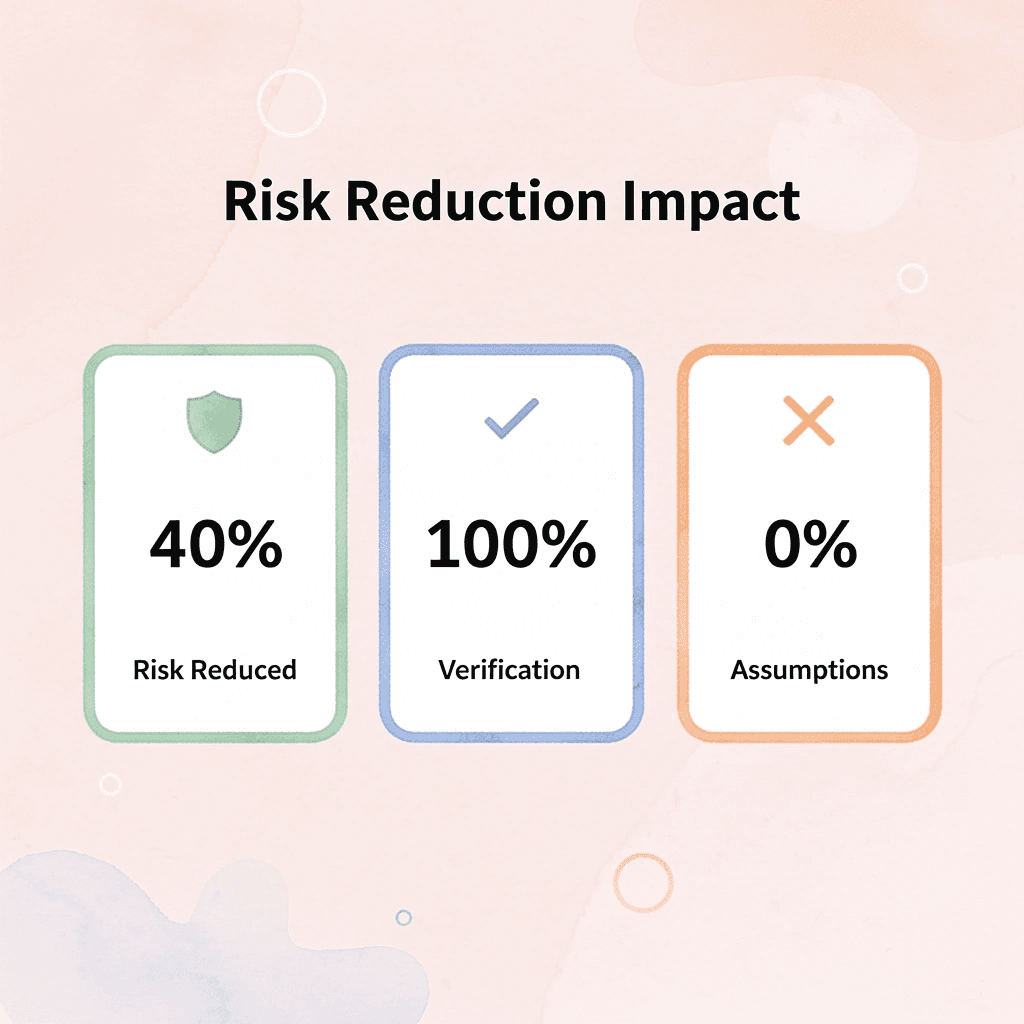
"Workers who establish clear payment terms and understand cross-border money transfers reduce their financial risk by up to 40% when working internationally." — International Labor Organization, 2023
⚠️ Warning: Never assume that international payment systems work the same as domestic ones - always verify transfer methods and currency conversion rates before starting work.
Clarify Payment Expectations Upfront
Payment problems emerge weeks later when a worker discovers the agreed-upon amount doesn't match what arrives in their account, or when a transfer stalls in processing. Address these gaps before work begins, not after the first invoice goes unpaid.
Ask which currency the payment will be issued in, who pays transaction fees, how long transfers typically take, and when payments get processed versus released. A hiring manager unable to answer these questions signals what the payment experience will be like.
What determines how your payment travels to its destination?
Most workers know who pays them, but not how the money reaches their account. The payment route determines timing, fees, and what happens when something goes wrong. A payment through three intermediary banks works differently from one sent through a modern global payment platform.
Why does understanding payment infrastructure matter for workers?
Understanding the payment path means knowing which providers handle the transfer, when currency conversion occurs, and what payout methods are available on the receiving end. When a worker in Colombia receives payment from a U.S. company, the difference between a five-day bank transfer with hidden conversion spreads and a same-day deposit to a global account determines whether they can pay rent on time.
Monitor Actual Earnings
The number on a contract isn't always the number that hits a bank account. Currency conversion spreads, transfer fees, intermediary charges, and withdrawal costs all reduce take-home income, sometimes significantly. Financial losses from unclear payment systems remain invisible because workers don't track what they lose to fees over time.
Track exchange rates applied during conversion, fees deducted at each processing stage, and net income received after all deductions. A 3% conversion spread on a $3,000 monthly payment costs $90, or $1,080 annually. Small fees can add up to significant income loss for anyone receiving frequent international payments.
Evaluate Payment Infrastructure Alongside Compensation
Pay gets attention during negotiations. Payment infrastructure gets ignored until it creates problems. A higher-paying contract becomes less attractive when onboarding takes three weeks, payments arrive unpredictably, or fees reduce earnings by hundreds of dollars monthly. Payment reliability, visibility, available payout methods, currency support, and administrative efficiency shape the actual working experience.
How can integrated payment systems improve worker control?
Platforms like payroll software with integrated payment systems reduce the gap between promise and delivery by giving workers direct access to global accounts, where they can receive, hold, and move money without waiting for employer-initiated transfers. This shifts payment from something that happens to workers into financial infrastructure they control.
When should workers consider walking away from payment issues?
But knowing what questions to ask helps only if workers also know when to walk away from something that has gone wrong.
Related Reading
- Best Payroll Software For Staffing Companies
- Best Payroll Outsourcing Companies
- Deel Vs Oyster
- Best International Payroll Software
- Best Payroll For Contractors
- Remote Competitors
- Velocity Global Competitor
- ADP Alternative
How Ontop Simplifies B2B Cross-Border Payments for Global Workers
Getting paid from other countries works best when payments are fast, clear, and easy to set up. You need to manage different currencies and access your money when you need it. Excessive paperwork and uncertainty about payment timing create stress for international workers, regardless of pay quality.

🎯 Key Point: Cross-border payment efficiency directly impacts global worker satisfaction and retention rates, making streamlined systems essential for international business success.
"Payment delays and currency conversion complexities remain the top challenges for 78% of remote workers in international employment arrangements." — Global Workforce Payment Study, 2024

💡 Tip: Look for payment platforms that offer real-time tracking, multi-currency support, and transparent fee structures to eliminate the uncertainty that creates stress in cross-border employment relationships.
Streamlined Onboarding That Removes Administrative Delays
Traditional cross-border arrangements involve lengthy paperwork, repeated verification requests, and manual setup, which delay the commencement of work. Ontop designed its onboarding to help workers complete necessary steps efficiently and begin earning sooner, avoiding fragmented approval cycles across multiple systems.
Payment Reach Across 150+ Countries
Payment systems around the world operate in silos, making it difficult for workers to receive pay in countries where their employer's payment provider doesn't operate. Ontop supports payouts in more than 150 countries, enabling companies and workers to collaborate without relying on multiple payment providers.
USD Accounts for Better Currency Control
Workers earning money across borders face immediate currency conversion at unfavorable rates, reducing take-home pay by hundreds of dollars per transaction. Ontop's USD accounts allow workers to manage international earnings more effectively and reduce conversion losses. This control supports better financial planning, especially as cross-border B2B payments are expected to reach $39 trillion by 2026, according to HighRadius.
Global Visa Card for Flexible Access
Workers can receive their earnings through a global Visa card instead of waiting days for traditional bank transfers to clear, which matters when rent is due or unexpected expenses arise.
Transparent Payment Tracking
When workers don't know if their payments have been started, are being processed, or are delayed, they cannot manage their money effectively. This payment uncertainty prevents workers from planning confidently around expected earnings. Ontop improves payment visibility, allowing workers to understand when they will get paid and their payment status. This also reduces repetitive support inquiries.
Compliance Support Without Manual Overhead
Following rules for compliance, contracts, and paperwork is necessary for work across countries, but handling them manually consumes time and creates risk. According to research from FreeMarket, the global B2B payments market is expected to reach $2.1 trillion by 2025. Ontop simplifies these processes, reducing paperwork errors while enabling compliant global work, so workers need not become compliance experts to get paid.
Centralized Financial Tools for International Work
Instead of assembling multiple services for onboarding, payments, account management, and spending, workers can access a centralized experience designed around international work. International workers increasingly evaluate opportunities based on compensation, ease of payment, earnings management, and administrative simplicity.
But understanding payment infrastructure matters only if workers know which companies are building trustworthy systems.
Book a Demo Today - See why 950+ Companies Trust OnTop to Power their Global Teams
Global work opportunities keep growing, but getting paid internationally should not be hard. Payment reliability matters as much as the work itself: when you can trust the system moving your money, you stop worrying about transfers and start focusing on what you were hired to do.
🎯 Key Point: Over 950 companies use Ontop to power their global teams because our platform gives workers and businesses what they actually need: fast onboarding that cuts down on documentation delays, payment infrastructure that covers 150+ countries, USD account access so you can control your currency, and financial tools built around how international work actually works. You can create an account today without waiting for demos or sales calls and know within minutes whether it works for your situation.
"Over 950 companies trust OnTop's platform to handle their global payment infrastructure across 150+ countries." — OnTop Platform Data, 2024

💡 Tip: The best time to set up your international payment system is before you need it—create your account today and have everything ready when opportunities arise.