






Remote teams bring incredible talent, but paying international contractors often creates headaches with currency conversions, tax compliance, and payment fees that reduce what contractors actually receive. The real challenge goes beyond processing payments to ensuring talented team members in Manila, Buenos Aires, or Warsaw get their full earnings without losing money to unfavorable exchange rates and hidden costs. Smart payment strategies can maximize contractor take-home pay while simplifying cross-border compensation management.
Successful global teams need unified systems that handle international payments, currency exchange, and compliance tracking without the usual administrative burden. The right approach reduces hidden costs that typically eat into contractor earnings while streamlining the entire payment process. Companies managing talent worldwide benefit most from comprehensive payroll software that eliminates juggling multiple platforms and keeps more money in contractors' pockets.
Table of Contents
- Why Getting Paid Internationally Is Still Hard for Many Contractors
- How Foreign Contractors Usually Get Paid (and Where Problems Start)
- The Hidden Costs That Reduce Your Earnings
- What Foreign Contractors Should Look for in a Payment Solution
- Why Fast and Reliable Payments Matter Beyond Cash Flow
- How Ontop Helps Foreign Contractors Get Paid More Efficiently
- Book a Demo Today - See why 950+ Companies Trust OnTop to Power their Global Teams
Summary
- International payment infrastructure wasn't built for the modern contractor economy. While the number of freelancers in the United States increased by 90% between 2020 and 2024, the payment systems supporting them still operate as they did a decade ago. Contractors in Buenos Aires or Warsaw face the same friction sending invoices to San Francisco clients as they did in 2015, even though the work itself happens seamlessly through digital collaboration tools.
- Late payments create more than cash flow problems. Late invoice payments are a widespread reality for freelancers, and many report being paid late or not paid at all a significant part of the time. When you're waiting on money that's already been sent, you can't distinguish between a slow payment system and a client who hasn't paid yet. That uncertainty makes tax planning, equipment purchases, and basic financial decisions reactive instead of strategic.
- Hidden fees quietly erode contractor earnings across every transaction. Cross-border payments typically incur 3% to 7% in fees from intermediary banks, currency conversion spreads, and withdrawal charges before reaching a contractor's account. The World Bank found that the global average cost of sending money internationally remained approximately 6.35% of the transfer amount in late 2024, more than double the UN's target of 3%. A contractor invoicing $36,000 annually can lose over $1,000 to transaction costs that many don't factor into their pricing until after committing to a rate.
- Payment method availability varies dramatically by location, creating unequal experiences for contractors doing identical work. A payment processor that delivers funds within hours in Germany might cause delays of days and higher fees for someone in Kenya. The platform hasn't changed, but the infrastructure connecting that platform to local banking systems determines everything. Contractors discover this gap only after choosing clients and committing to projects, when switching payment methods becomes costly or impossible.
- Multi-currency account access gives contractors control over conversion timing rather than forcing immediate exchanges at unfavorable rates. When you earn in dollars while spending in pesos or euros, platforms that lock you into the prevailing exchange rate when funds arrive can reduce your purchasing power by 5% or more during volatile periods. Holding earnings in the original currency until rates improve or expenses require conversion protects income in ways single-currency accounts cannot.
- Payroll software addresses these challenges by consolidating payments, currency management, and account access into systems designed specifically for cross-border work, reducing the fragmentation that forces contractors to navigate multiple platforms with different fee structures and regional limitations.
Why Getting Paid Internationally Is Still Hard for Many Contractors
Getting paid across borders is difficult because payment systems were not designed for modern work. International money systems were built for banks and large corporations, not individual contractors needing fast, affordable access to their earnings. A simple invoice becomes a complicated journey through intermediary banks, currency exchanges, and compliance checkpoints, all of which consume time and money.
🔑 Key Point: Traditional payment infrastructure creates unnecessary friction for modern freelance work that happens seamlessly online.

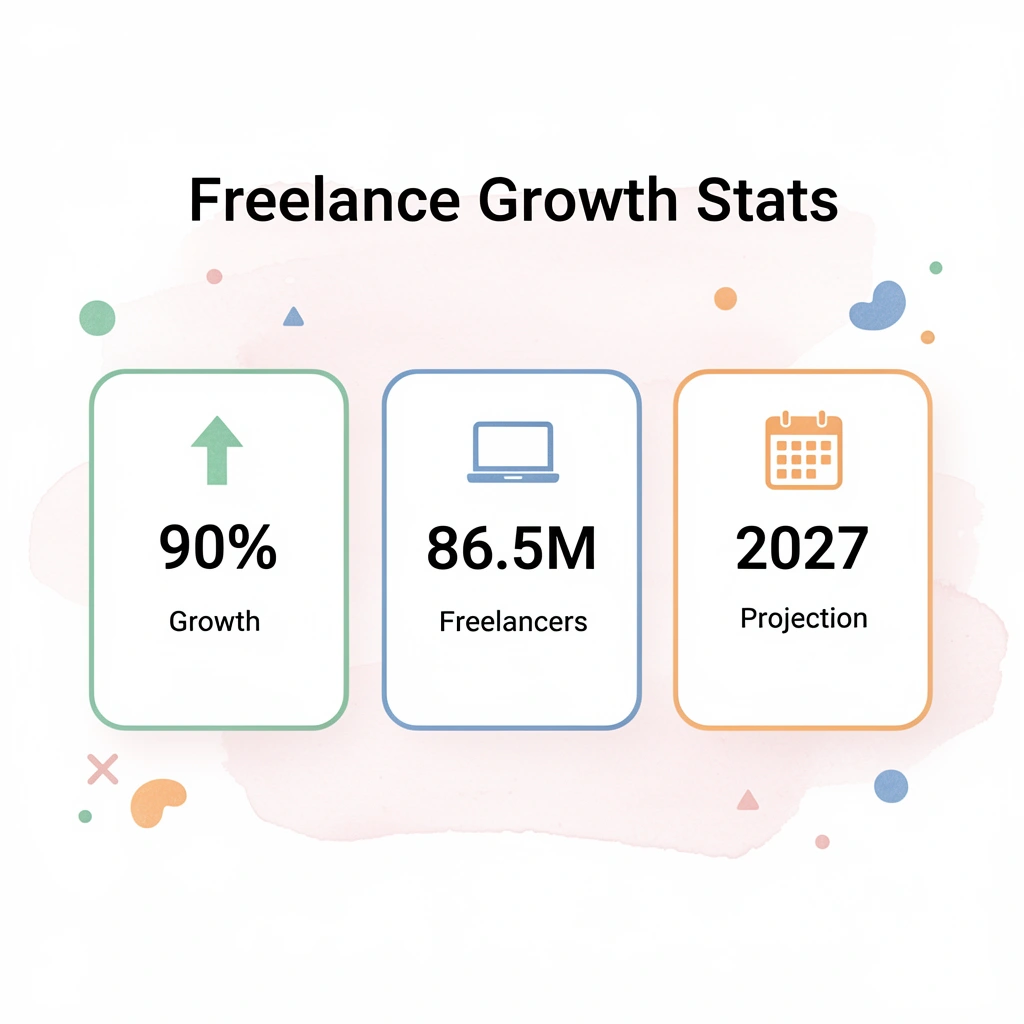
The freelance economy has grown faster than the systems that support it. According to Mellow's analysis of Statista data, the number of freelancers in the United States increased by 90% between 2020 and 2024, with projections suggesting 86.5 million freelancers by 2027. Yet payment rails still work as they did a decade ago. A contractor in Buenos Aires working for a San Francisco client faces the same problems as someone sending money internationally in 2015, even though workflows seamlessly flow through Slack, Zoom, and shared documents.
⚠️ Warning: The gap between modern work tools and outdated payment systems creates unnecessary delays and costs for international contractors.
"The number of freelancers in the United States increased by 90% between 2020 and 2024, with projections suggesting 86.5 million freelancers by 2027." — Mellow's analysis of Statista data, 2024
What happens after you complete work but before payment arrives?
Most contractors discover the payment problem after finishing their work. The project goes well, the client approves the deliverables, and you confidently send the invoice. Then reality hits. International payments can take anywhere from a few minutes to a week, depending on the method, complicating financial planning when you're paying for rent, travel, or tax bills on a specific schedule.
How common are late payments for freelancers?
Freelancers routinely experience late invoice payments, and many report being paid late or not paid at all a significant part of the time. When waiting for money already invoiced, it's difficult to determine whether the payment system is slow or the client hasn't paid. This uncertainty creates stress that salaried employees never face.
How do hidden fees reduce what contractors actually receive?
The amount a client sends rarely reaches a contractor in full. Cross-border payments pass through multiple institutions, each taking a percentage or flat fee. Currency conversion occurs at rates favoring banks over workers. Wire transfer fees, payment processor charges, and withdrawal costs accumulate. By the time money reaches a contractor's local bank account, the total can be 3% to 7% less than the invoiced amount.
What is the long-term financial impact of these fees?
These costs add up over time. A $5,000 payment might yield only $4,700 after bank fees, currency conversion spreads, and withdrawal charges. That $300 difference recurs with each payment, totaling thousands of dollars annually. The 4dev.com Global Contractors Market Report 2025 found that 52% of international contractors face currency conversion fees averaging 3% to 5%, a cost many overlook when setting rates.
Multiple clients, multiple payment systems
Contractors working with clients across different countries often manage multiple payment platforms simultaneously. One client prefers PayPal, another uses Wise, and a third insists on wire transfers. Each system has different processing times, fee structures, and withdrawal requirements.
What starts as a simple question ("How do I get paid?") becomes an ongoing task of tracking which payment comes through which platform and when the money will be available.
What problems does payment fragmentation create?
This fragmentation creates practical problems beyond inconvenience. Some platforms hold funds for security reviews, others require minimum balances before allowing withdrawals, and currency sits in one account while expenses come due in another.
The Financial Stability Board's 2025 report on cross-border payments found that international efforts to make payments faster, cheaper, and more transparent fall short of established targets, with payment costs remaining high. For contractors, this means the infrastructure problem isn't improving as quickly as work is going global.
Understanding why payments move the way they do reveals where the friction lives.
How Foreign Contractors Usually Get Paid (and Where Problems Start)
The payment method a contractor uses determines how quickly they get paid, how much arrives, and whether they can access their earnings without jumping through hoops that vary by location.

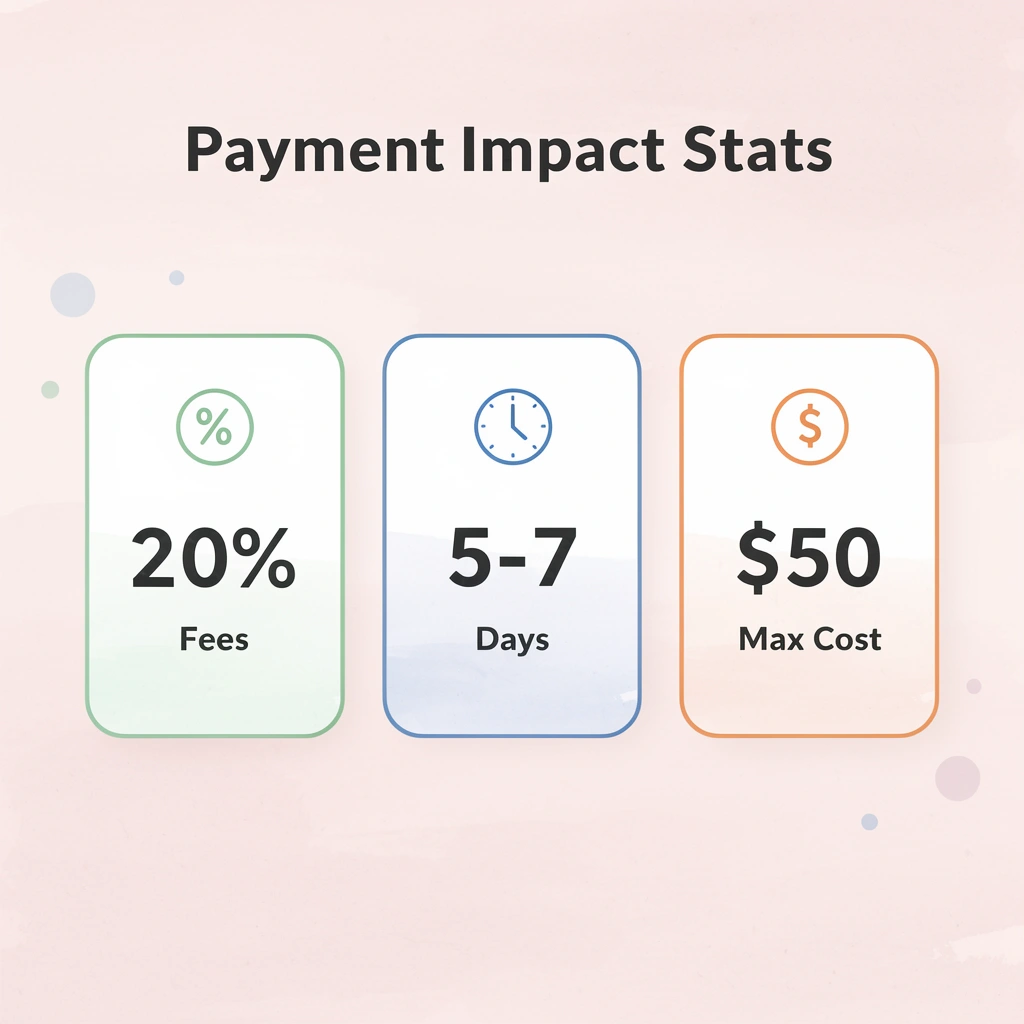
Traditional payment methods create a cascade of problems across borders. Wire transfers take 3-7 business days and cost $15-50 per transaction, while PayPal charges up to 5% in fees and may incur unfavorable exchange rates. Contractors in emerging markets face steeper barriers: limited banking infrastructure, currency restrictions, and withdrawal fees consuming 10-20% of earnings.
🎯 Key Point: The payment method you choose doesn't just affect speed - it directly impacts how much money actually reaches your contractor's hands.
"Cross-border payment fees can consume up to 20% of a contractor's earnings, with processing times averaging 5-7 business days globally." — Global Payment Systems Report, 2024
⚠️ Warning: Many businesses unknowingly create cash flow problems for their best contractors by choosing convenient-for-them payment methods that are expensive or inaccessible for the recipient.
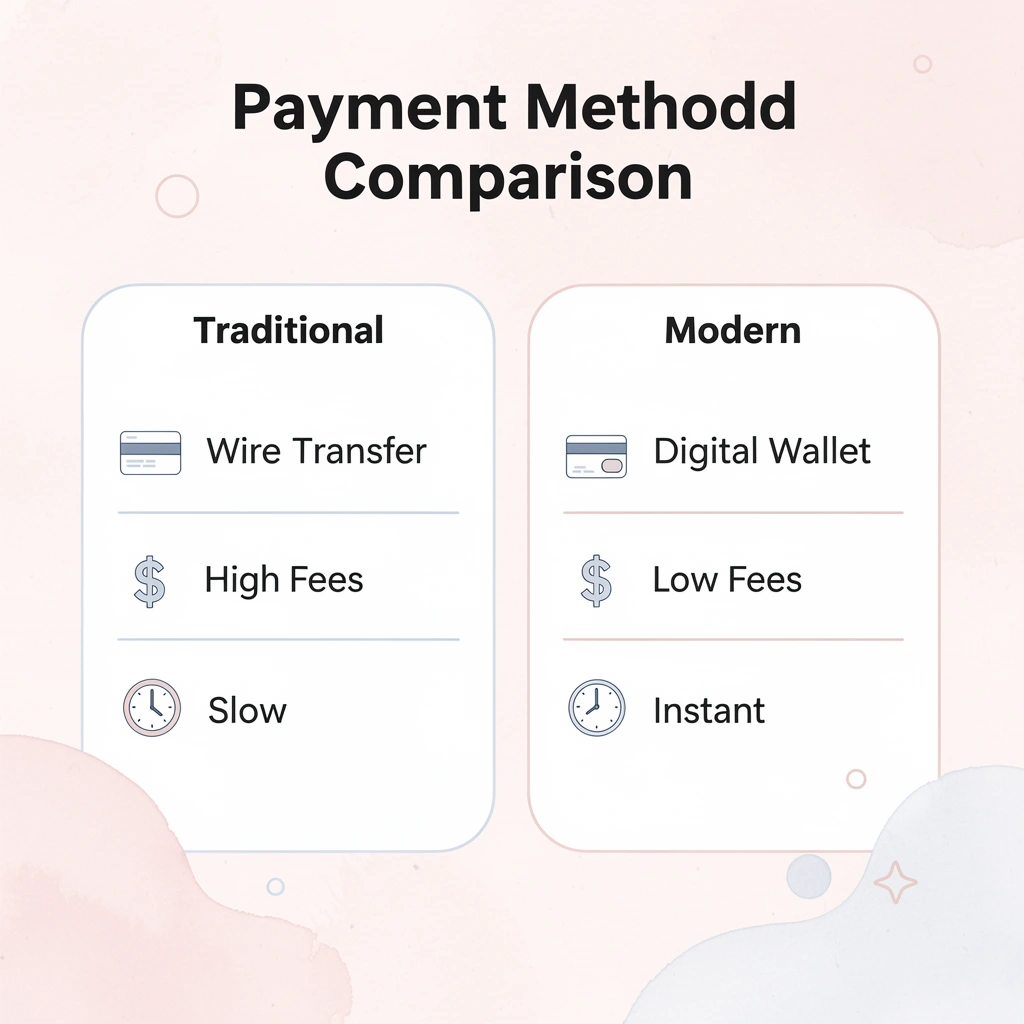
Wire Transfer
- Processing Time: 3-7 days
- Typical Fees: $15-50
- Global Access: Limited
PayPal
- Processing Time: 1-3 days
- Typical Fees: Up to 5%
- Global Access: Moderate
Digital Wallets
- Processing Time: Minutes-hours
- Typical Fees: 1-3%
- Global Access: High
Crypto
- Processing Time: Minutes
- Typical Fees: <1%
- Global Access: Variable
Why do businesses still rely on international bank transfers?
Wire transfers remain the most common choice for many businesses because finance teams already know how to use them: no new accounts to open, no new platforms to learn.
What delays can contractors expect with international transfers?
The problem emerges when contractors realize, according to Slash, international bank transfers typically take 1-3 business days, a timeline that assumes no intermediary bank delays or compliance holds.
A contractor in Buenos Aires might wait five days for the same payment that reaches someone in London within 48 hours. This variability stems from differences in infrastructure across countries' banking systems, each adding processing time and undisclosed fees.
How much do hidden fees actually cost contractors?
One contractor found that a $2,000 payment was reduced to $1,847 after accounting for outgoing and incoming fees, intermediary charges, and currency conversion. The banking chain deducted the difference incrementally, with no clear breakdown until the money arrived.
What are the benefits of using payment processors?
Platforms like PayPal, Wise, and Payoneer offer faster transfers and a better user experience than traditional banks. Invoicing is simpler, payments arrive within hours instead of days, and the interface is intuitive.
What costs should you expect with payment processors?
The convenience comes with different costs. Processing fees, withdrawal fees, and currency conversion markups vary by country. Slash reports that international contractor payments typically incur 3-5% in fees, though the actual percentage depends on transfer size, currency pair, and withdrawal method.
A contractor in the Philippines might have instant withdrawal options, while a contractor in Nigeria using the same platform might have to wait 3 business days and pay higher fees.
Why do payment processors behave inconsistently?
What frustrates people most is unpredictability. The same platform behaves differently depending on the withdrawal location, the currency held, and the timing of the transfer.
What are the benefits of digital wallets and freelancer platforms?
Digital wallets like Skrill or Payoneer's internal balance system let contractors hold money in multiple currencies and choose when to convert or withdraw. Freelancer platforms like Upwork or Fiverr handle payment processing directly, automating invoicing and collection.
What challenges emerge with these payment methods?
Both make it easier to get money, but problems emerge later. Digital wallets often restrict access based on location: a contractor might receive funds immediately but then discover that converting to their local currency costs 2% more than expected, or that withdrawals to a local bank account aren't available in their country.
Freelancer platforms charge marketplace fees on top of payment processing costs and limit withdrawal options. One contractor working with clients on three different platforms faced different fee structures, payout schedules, and currency options for each one. Tracking when money arrives, and its costs become an unpaid job in itself.
Why does payment location create such different experiences?
The biggest gap in understanding international payments is assuming the experience stays the same across borders. A payment processor that works smoothly in Germany might cause delays of days and extra costs for someone in Kenya. The infrastructure connecting that platform to local banking systems differs, not the platform itself.
No single payment method works equally well everywhere. A contractor in one country receives funds within hours, converts currency at reasonable rates, and withdraws to their local bank for minimal fees. A contractor in another country using the identical platform waits longer, pays more, and has fewer withdrawal options. The payment appears to be processed efficiently when sent, yet the contractor experiences something entirely different on the receiving end.
How can global payment platforms solve location disparities?
Solutions like payroll software address this by providing contractors with global accounts that work consistently across regions. Rather than navigating different withdrawal options and fee structures, our platform handles currency conversion and local transfers with transparent pricing regardless of location.
But the underlying question remains: what are contractors losing in the process, and how much could they keep?
Related Reading
- Best International Payroll Software
- Pay International Employees
- How Much Does It Cost To Outsource Payroll
- Global Payroll Implementation
- Benefits Of Hiring Remote Workers
- Multi-Country Payroll Outsourcing
The Hidden Costs That Reduce Your Earnings
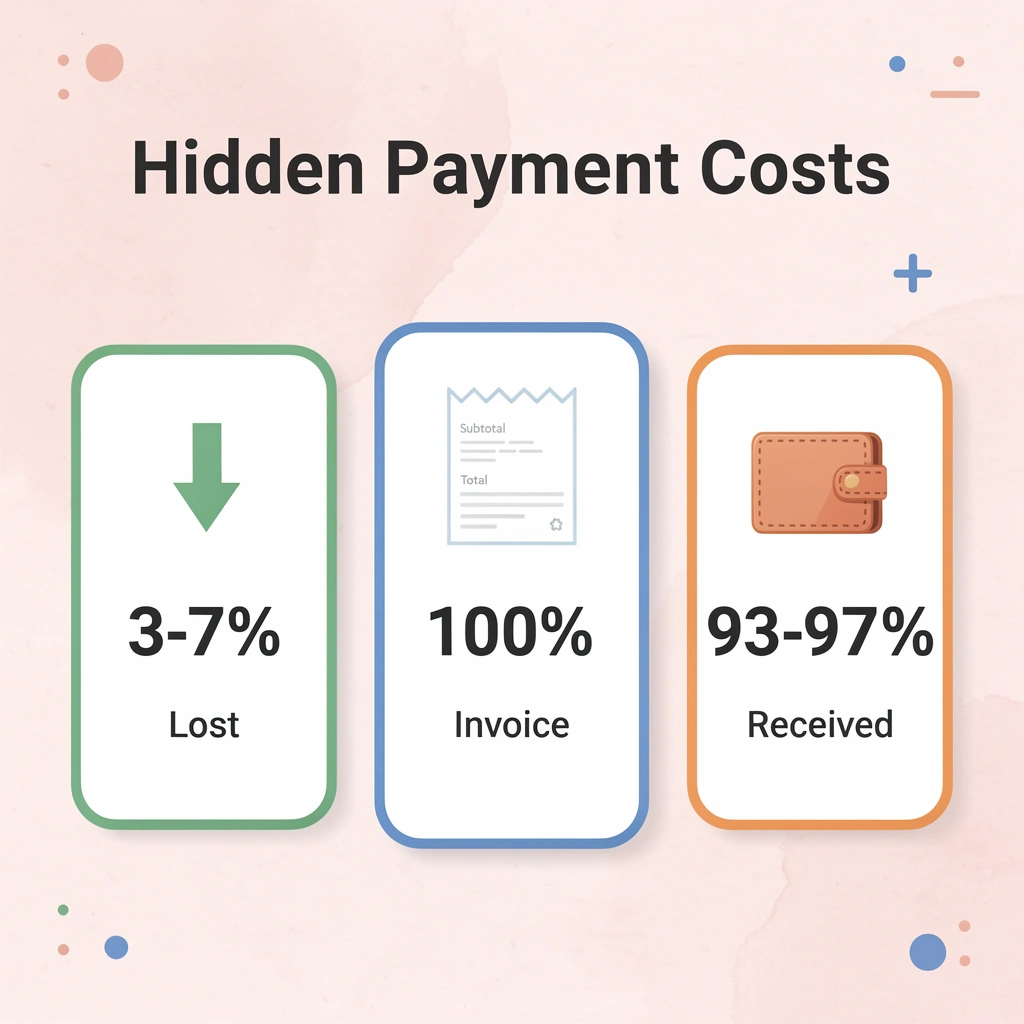
Many international contractors assume the invoice amount is what they'll receive. In reality, multiple financial systems incur fees, commissions, and currency conversion costs that reduce the final amount you get.
"Cross-border payments can lose 3-7% of their value through hidden fees and unfavorable exchange rates before reaching the recipient." — International Finance Report, 2024
🎯 Key Point: Your invoice amount is never your take-home pay when working internationally - always factor in payment processing costs.
⚠️ Warning: Traditional banks and payment processors often hide these costs in poor exchange rates and undisclosed fees, making it difficult to predict your actual earnings.
Wire Transfer Fees and Intermediary Charges
Traditional international bank transfers involve fees charged by sending and receiving banks, or both. Intermediary banks routing payments through the global banking system add further charges. According to the Financial Stability Board's latest progress reports on cross-border payments, reducing payment costs remains a major global challenge, with many international transfers still failing to meet G20 affordability targets. Intermediary bank charges are particularly frustrating because they're unpredictable: a client may send the exact invoice amount, yet the contractor receives less due to processing fees deducted during transfer.
Currency Conversion Markups
Most contractors focus on the exchange rate displayed online. However, payment providers often offer rates different from the mid-market rate, a difference known as an exchange rate markup. While seemingly small on a single transaction, this markup compounds across monthly payments. The World Bank's latest Remittance Prices Worldwide database found that the global average cost of sending money internationally reached 6.35% of the transfer amount in late 2024, more than double the United Nations Sustainable Development Goal target of 3%. Although remittances and contractor payments differ, this data demonstrates that cross-border financial transactions entail meaningful costs globally.
Withdrawal and Platform Service Fees
Some payment providers charge contractors to withdraw funds to personal bank accounts, apply fees for specific currencies or countries, or take commissions on contract value. These charges accumulate quickly for contractors receiving frequent payments. A contractor earning $3,000 monthly from international clients invoices $36,000 annually. With $15 per payment in transfer fees, 2% currency conversion markups, and 1% platform costs, annual earnings drop by over $1,000—funds needed for savings, taxes, investments, or living expenses.
How can contractors minimize cumulative payment costs?
Contractors often overlook how individual costs can add up when assessed separately. Platforms like Ontop address this by handling currency conversion and local transfers with transparent regional pricing. For contractors building long-term international careers, protecting income means streamlining the post-invoice process, not merely negotiating better rates with clients.
What should contractors look for in payment solutions?
Knowing what you lose is only half the equation. The harder question is what to look for instead.
Related Reading
- Best Way To Pay International Contractors
- Best International Payroll Providers
- How To Hire International Employees
- How to Hire Overseas Contractors
- International Payroll Management
- Benefits Of Hiring International Employees
- Benefits Of Hiring Remote Workers
- B2b Cross-border Payments
What Foreign Contractors Should Look for in a Payment Solution
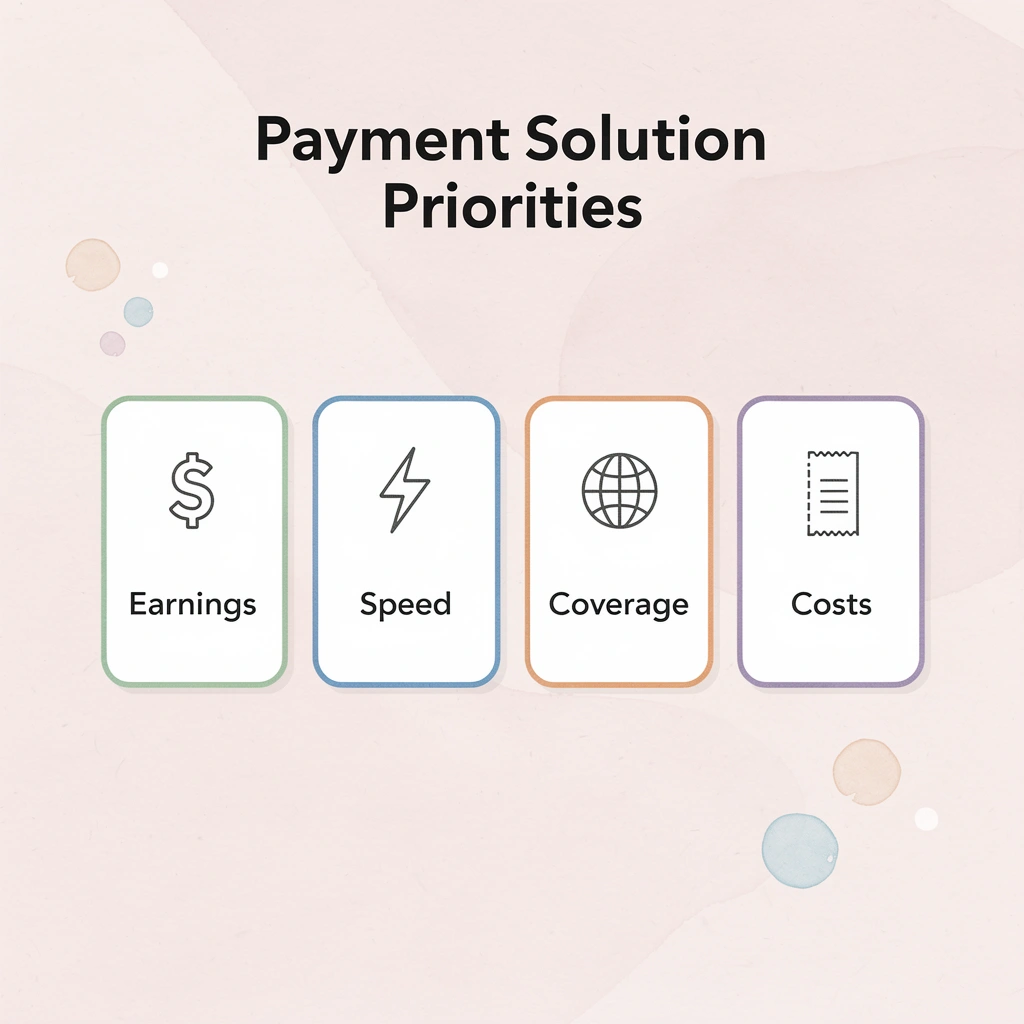
The right payment solution should protect what you earn. Evaluate platforms based on how much money reaches your account, how quickly you can access it, and whether the system scales as your work spans multiple countries, currencies, and clients. Convenience matters only when it doesn't cost you thousands in fees you could avoid annually.

🎯 Key Point: The best payment platform isn't the most popular one—it's the one that maximizes your take-home earnings while minimizing processing delays and hidden costs.
"Convenience matters only when it doesn't cost you thousands in fees you could avoid each year."
⚠️ Warning: Many contractors focus on ease of use over actual costs, losing hundreds or thousands annually to avoidable fees and poor exchange rates.
Speed Without Surprises
Payment speed affects more than cash flow. When rent or business expenses arise unexpectedly, waiting five days for a wire transfer creates financial pressure. The difference between same-day deposits and week-long delays determines whether contractors can operate with confidence or must constantly monitor their balance before making decisions.
Speed means nothing without reliability. A platform that delivers funds in two hours, one week, and five days the next creates planning problems. The best solutions provide consistent timelines with clear visibility into when money will become available, eliminating guesswork for people whose income crosses borders.
Coverage That Travels With You
Many contractors assume their payment platform will work wherever they go. That assumption breaks down when you move to a country where your provider has limited banking partnerships, restricted currency support, or no local infrastructure. What worked in Mexico City might fail in Lisbon or Bangkok.
Before committing to a platform, verify it supports not just where you live now, but where your clients operate and where you might work next year. A solution that forces you to switch platforms each time you cross a border creates unnecessary friction when you need financial stability most.
Why does currency conversion timing matter for contractors?
When you earn money in dollars but spend it in pesos, euros, or rupees, you must decide how to convert your money at each purchase. Some platforms require immediate conversion upon arrival, locking you into that day's exchange rate regardless of whether it's favorable. J.P. Morgan reports that cross-border payment volumes are expected to grow by 5% annually through 2027, yet many contractors lack tools to manage when and how their earnings convert.
How do multi-currency accounts protect purchasing power?
Multi-currency accounts give you control over timing. You can hold USD earnings until exchange rates improve, convert strategically, or spend directly in your earned currency without triggering unnecessary conversions. This flexibility protects your purchasing power in regions with volatile local currencies, rather than forcing you to accept whatever rate your payment platform offers upon arrival.
What makes pricing truly transparent for contractors?
Fee transparency distinguishes platforms that respect contractors from those that extract maximum revenue through opacity. Some providers advertise zero transfer fees while generating profit through exchange rate markups of 3-4% above mid-market rates. Others charge for withdrawals, account maintenance, or currency conversions without disclosing these costs until after you commit.
Platforms like Ontop give contractors clarity on exactly what they'll receive before funds move, eliminating surprise deductions that erode trust and complicate financial planning.
How can you calculate your actual take-home pay?
The real test is whether you can determine how much money you'll keep before accepting payment from a client. If a platform requires you to receive the money first, then discover the actual amount after fees and conversions, that choice benefits the platform more than you.
But keeping more of what you earn matters only if you can use that money when and where you need it.
Why Fast and Reliable Payments Matter Beyond Cash Flow
Predictable Income Affects Decision-Making, Not Just Liquidity
Fast, reliable payments create certainty beyond immediate liquidity. When you know exactly when funds will arrive and how much you'll receive, you can make confident decisions rather than cautious ones. A contractor receiving consistent payments on the 5th of each month can commit to a coworking membership, book travel six weeks out, or invest in professional development without second-guessing cash flow. That certainty compounds into better financial choices, reduced stress, and strategic rather than reactive thinking.
How does payment timing affect contractor tax planning?
Contractors manage their own tax obligations, setting aside portions of income for estimated payments, year-end filings, and future liabilities. Unpredictable payments disrupt this planning: you might need to make an estimated tax payment on the 15th while still waiting on an invoice approved two weeks earlier.
Late invoice payments are a common experience for freelancers, and many report being paid late or not paid at all a significant part of the time. Late payments force contractors to miss tax deadlines, deplete emergency savings, or carry credit card balances while awaiting earned income.
What are the financial consequences of late payments?
The money problems extend beyond inconvenience. Contractors face penalties for late estimated payments, interest charges on borrowed funds, and depleted reserves. Tax management becomes reactive instead of systematic, creating an ongoing administrative burden that predictable payment timing would eliminate.
How does payment reliability influence contractor career decisions?
How fast you get paid affects which clients contractors work with, which projects they take on, and how they set up their businesses. A contractor who receives payments within 48 hours can take on shorter-term projects, work with newer clients, or explore opportunities in different markets.
Someone facing two-week delays becomes more cautious, favoring long-term agreements with established clients even when better opportunities exist. Payment infrastructure determines how much risk you can afford to take and how quickly you can adapt to new opportunities.
What visibility do modern payment platforms provide?
Platforms like payroll software give contractors a clear view of how much money they will receive and when before accepting payments. Instead of discovering fees after the money arrives, our payroll software provides a complete breakdown upfront. This lets them decide whether to take a job based on their actual take-home amount, not the total invoice.
How will payment infrastructure evolve by 2027?
According to J.P. Morgan, 90% of banks are expected to offer instant payment services by 2027. As financial infrastructure improves, the gap will widen between contractors with access to reliable payment systems and those using outdated processes.
Contractors who can receive, convert, and access funds efficiently will have structural advantages in planning, investing, and growing their careers. But infrastructure alone won't solve the challenge if the underlying approach to global payments remains fragmented.
How Ontop Helps Foreign Contractors Get Paid More Efficiently
Trying to use many different platforms—one to find work, another to get paid, a third to spend money, a fourth to transfer funds—creates unnecessary confusion. Ontop brings all of these functions together into a single platform made specifically for global contractors, allowing them to receive payments from international clients and access their earnings through one system built around how cross-border work operates.

🎯 Key Point: Instead of juggling multiple platforms for different financial needs, contractors can manage their entire payment workflow through Ontop's unified system.
"Single platform solutions reduce operational complexity by eliminating the need for contractors to navigate multiple financial service providers." — Global Workforce Solutions Report, 2024
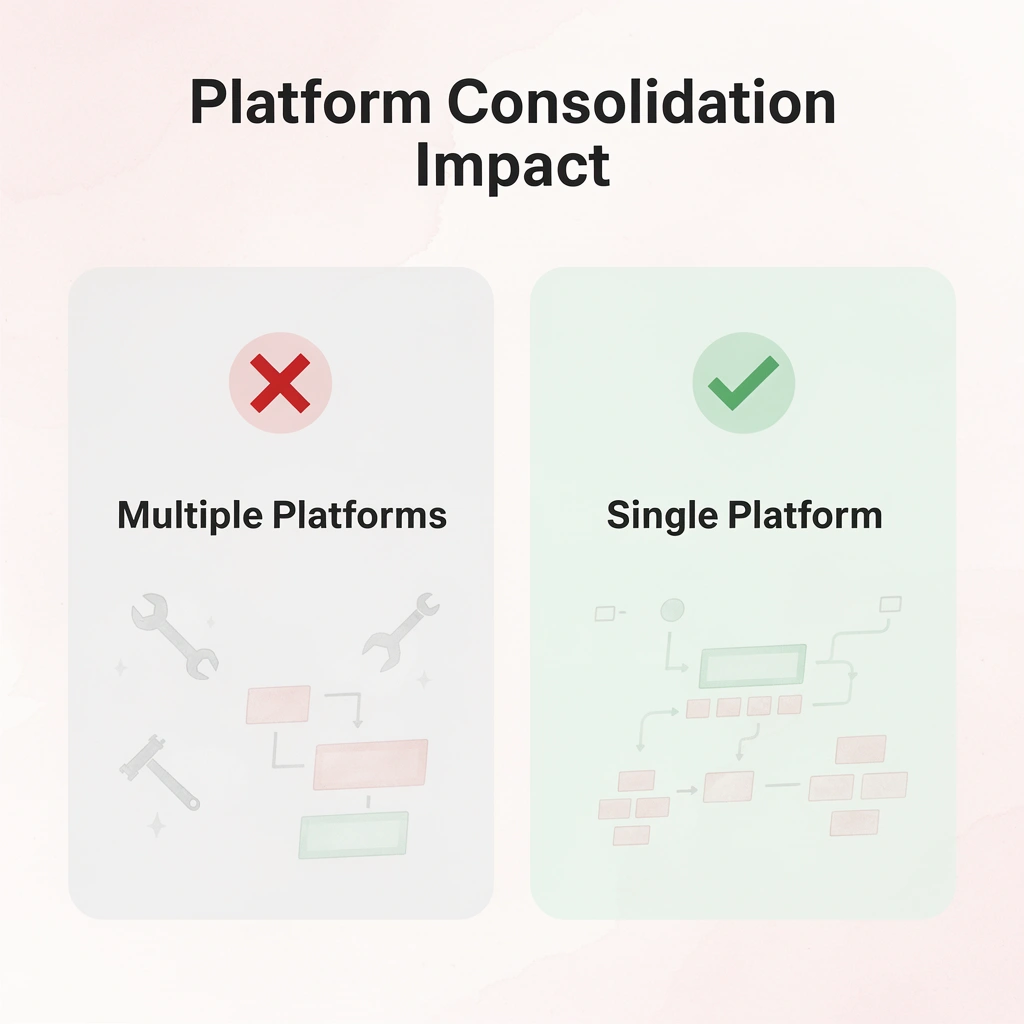
💡 Tip: Consolidating your payment processes into one platform not only saves time but also reduces the fees and complications that come with managing multiple financial accounts across different services.
Coverage That Matches Global Work Patterns
Where a payment solution works determines whether it will help your current clients and future opportunities. Ontop supports payments in more than 150 countries, which matters because international contractors often move between countries or take on projects from multiple continents simultaneously.
Speed That Enables Better Financial Planning
Payment delays force contractors into reactive financial decisions: using savings, missing tax deadlines, and carrying credit card balances while awaiting earned income. Faster access to earnings creates predictability. When funds arrive consistently and quickly, you can commit to professional development, book travel for client meetings, or invest in equipment without waiting for payment to clear. Speed is the difference between managing finances strategically and scrambling to cover expenses with money you've already earned but cannot access.
Currency Management Built for Cross-Border Earnings
Many contractors earn in U.S. dollars while living elsewhere. Immediate currency conversions expose you to exchange rate fluctuations and eliminate timing flexibility. According to Slash Blog, 38% of U.S. companies now hire international contractors. Ontop provides access to USD accounts, allowing contractors to hold earnings in USD and convert them based on exchange rates, upcoming expenses, or local economic conditions. Exchange rate swings can reduce your effective income by 5% or more in a single week; that control matters.
How do integrated financial tools benefit global professionals?
Payment platforms designed for domestic transactions treat international work as an edge case. Ontop goes beyond payments to include a global Visa card, creating a direct connection between earning and spending across borders. You're not moving money between systems or waiting for transfers to clear before accessing funds.
The platform addresses challenges that traditional financial services weren't built to solve: paying for software subscriptions, coworking spaces, and client meetings in multiple currencies without friction.
What advantages do centralized contractor platforms provide?
Platforms like Ontop consolidate the contractor experience by handling payments, account access, currency management, and spending tools in a single platform. Teams managing international contractors reduce administrative overhead, while contractors spend less time navigating payment systems and more time on billable work.
Fragmented financial infrastructure imposes real costs—time, fees, stress—that reduce the sustainability of international contracting as a career path. But infrastructure and tools matter only if the companies hiring you use them.
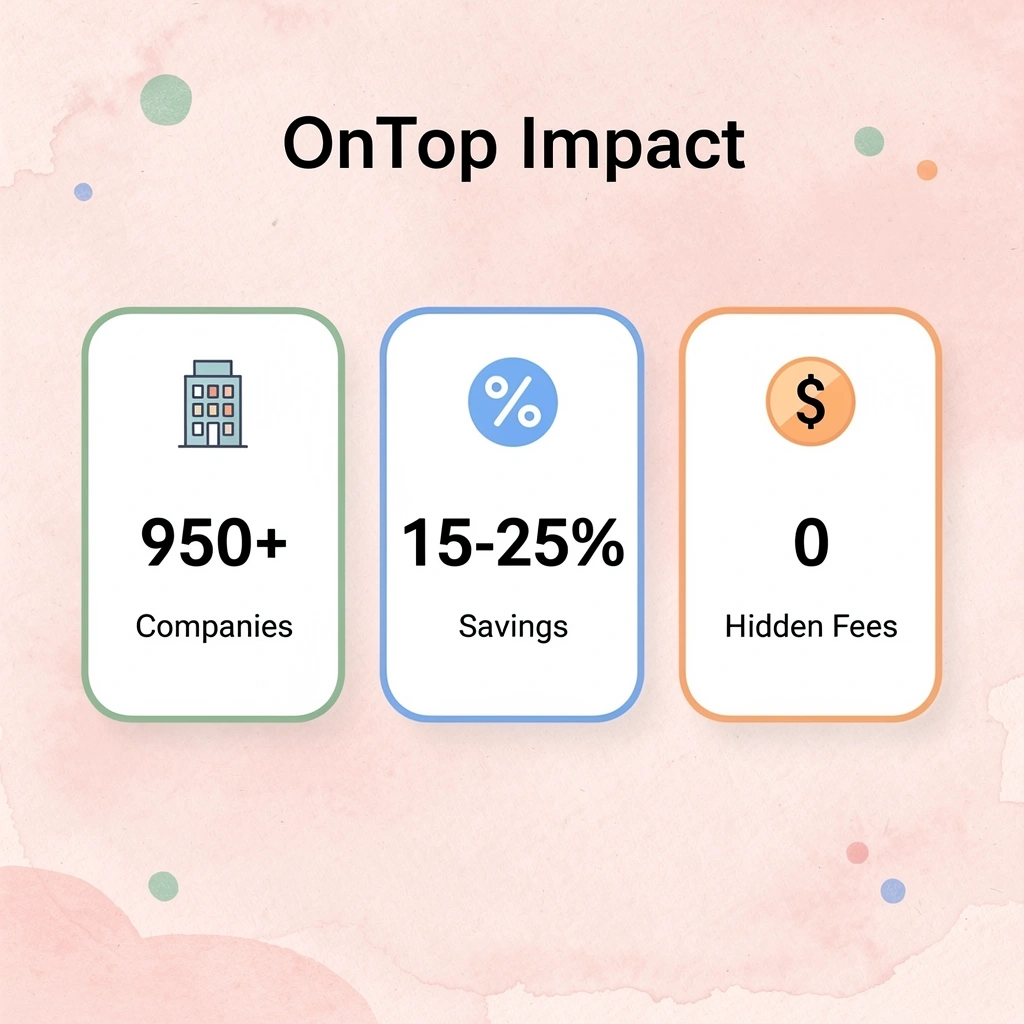
Book a Demo Today - See why 950+ Companies Trust OnTop to Power their Global Teams
Start with Ontop Quick Start to see what getting paid globally looks like when payments, USD account access, and spending tools are built for international contractors. In minutes, explore whether your current payment setup costs more than you realize.

🎯 Key Point: Quick Start gives you a real-world preview of streamlined global payments without any commitment—see the difference professional payment infrastructure makes in just minutes.
Companies that pay reliably and on time demonstrate understanding of how modern global teams operate. When a client chooses infrastructure that respects your time and protects your earnings, you can build a sustainable career across borders rather than constantly adapting to their administrative chaos.

"950+ companies trust OnTop to power their global teams because reliable payments aren't just about money—they're about respect for international talent." — OnTop Client Success Data, 2024
⚠️ Warning: Payment delays and currency conversion fees can cost international contractors 15-25% of their earnings annually—OnTop's infrastructure eliminates these hidden costs entirely.
Related Reading
- Best Payroll Software For Staffing Companies
- Best Payroll Outsourcing Companies
- Deel Vs Oyster
- Best International Payroll Software
- Best Payroll For Contractors
- Remote Competitors
- Velocity Global Competitor
- ADP Alternative


