






Global expansion often turns payroll into a logistical nightmare, with finance teams juggling spreadsheets across multiple time zones while compliance officers scramble to fix errors in different countries. Remote employees grow frustrated when payments arrive late or in the wrong currency, creating retention risks that can derail international growth. Successful companies recognize that choosing the best international payroll software is the foundation for streamlined global operations, not administrative chaos.
Smart organizations abandon the complexity of managing multiple vendors, currency conversions, and varying compliance requirements across different countries. A unified platform that handles contractor payments, employee salaries, and tax obligations in one system eliminates the errors that plague distributed workforces. Teams can focus on scaling their business rather than constantly troubleshooting payment issues by implementing reliable payroll software.
Table of Contents
- Why Global Payroll Problems Hurt Workers More Than Companies
- What Global Payroll Implementation Actually Means
- Why International Workers Lose Trust in Broken Payroll Systems
- The Biggest Mistakes Companies Make During Global Payroll Implementation
- What International Workers Actually Want From Global Payroll Platforms
- How Ontop Helps Global Workers Get Paid Faster and Work More Flexibly
- Book a Demo Today - See why 950+ Companies Trust OnTop to Power their Global Teams
Summary
- Payment delays hurt international workers more directly than the companies hiring them. While businesses face administrative friction and compliance risks, workers face rent deadlines, overdraft fees, and bill-payment conflicts that they can't postpone. Research from ADP found that payroll inaccuracies and delays remain among the strongest drivers of employee distrust globally, because payment reliability directly shapes how workers perceive employer credibility.
- Compliance challenges top the list of global payroll obstacles. 58% of organizations cite compliance as their top payroll challenge, according to Niural. Each country introduces different payroll reporting standards, tax documentation requirements, payment schedules, and employment agreements. Companies managing multiple local systems simultaneously often discover compliance gaps only after they've created legal exposure.
- Payroll errors carry substantial hidden costs that compound across distributed teams. Global payroll mistakes cost companies an average of $845 per employee annually, but that figure only reflects internal costs. It doesn't capture the worker's experience when those errors translate into delayed payments, incorrect tax withholding, or compliance problems that create personal financial liability.
- Trust breaks quickly when payment systems fail basic reliability expectations. 49% of employees would consider leaving their job due to payroll errors, and that number rises for international contractors who lack the employment protections and financial buffers that domestic employees often have. One missed payment can trigger cascading financial consequences, including overdraft fees, missed bill payments, and damaged credit.
- Workers increasingly expect real-time visibility into payment status rather than waiting days for transfer confirmation. 72% of international workers expect real-time payment visibility, and 86% want faster payment processing overall. Every delay compounds uncertainty across housing payments, bill schedules, and financial commitments workers have already made in other countries.
- Payroll software addresses this by consolidating onboarding, compliance documentation, payment infrastructure, and global financial accounts into a single system, reducing coordination burden while giving workers direct access to reliable payment timing and banking infrastructure that functions across borders.
Why Global Payroll Problems Hurt Workers More Than Companies
When payroll breaks down across borders, companies face administrative friction and compliance risk, while workers face rent deadlines they can't meet.

The human cost of payroll failures extends far beyond corporate balance sheets. While businesses can absorb temporary setbacks and regulatory penalties, employees living paycheck to paycheck have no such buffer. A delayed payment means choosing between groceries and utilities, between transportation and childcare.
"73% of employees worldwide live paycheck to paycheck, making timely payroll not just important—but essential for basic survival." — PwC Global Workforce Survey, 2023

🚨 Critical Impact: Late payments don't just inconvenience workers—they can trigger cascading financial crises, including overdraft fees, missed loan payments, and damaged credit scores.
The stress of unreliable pay creates a productivity paradox: workers spend work hours worrying about personal finances instead of focusing on job performance. This creates a vicious cycle where both employee wellbeing and company results suffer.
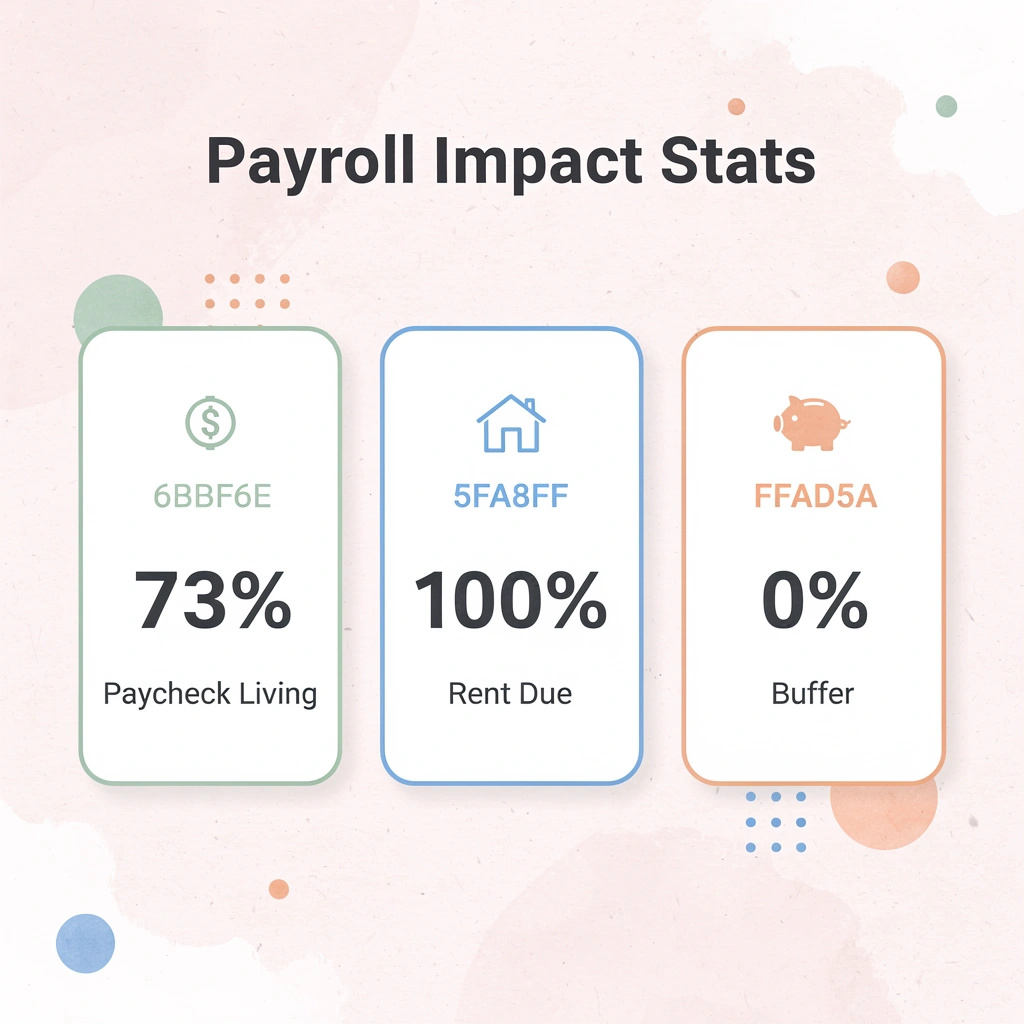
⚠️ Warning: Companies that treat payroll issues as "minor operational hiccups" risk talent exodus and reputation damage in competitive global markets.
How do payroll delays create immediate financial consequences for workers?
When operations slow down, contractors and remote employees face immediate financial hardship. Companies encounter the same issues as internal process inefficiencies. A missed payment cycle might trigger an internal vendor escalation email, but for the person awaiting that transfer, it can mean overdraft fees, late rent penalties, or choosing which bill to delay.
Why has cross-border payroll complexity become a structural workforce issue?
Cross-border work is now standard business practice. According to the World Economic Forum, remote and distributed hiring accelerated into a long-term shift in how companies recruit. This means more workers depend on international payment systems not designed for their daily financial needs. Companies hiring across multiple countries simultaneously have complicated payroll operations, a complexity that flows directly to workers.
How do payment delays impact global workforce stability?
Late payments are one of the most common sources of friction in global payroll. Cross-border transfers involve intermediary banks, compliance verification, fragmented local payment systems, and inconsistent payout schedules. Workers lack visibility into the causes of delays or fund-clearance timelines, leaving them to check bank apps and adjust personal budgets amid uncertainty that the company may not deem urgent.
Why do currency conversions reduce worker income over time?
Currency conversion quietly erodes income over time. Many international payment systems convert earnings at unfavorable exchange rates and add transfer fees on top. For workers in countries with volatile currencies, these losses compound quickly, reducing real purchasing power in ways that don't appear on the original invoice or contract. The worker absorbs the difference.
How does onboarding friction create financial uncertainty for workers?
Some contractors wait weeks for contract approvals, tax documentation processing, or payment system setup before sending invoices or receiving their first payment. During this period, they're often expected to be available or start work without knowing when payment will arrive. Companies view this as normal paperwork delays; workers experience it as unpaid waiting time.
Why do tax documentation requirements burden individual workers disproportionately?
Tax documentation adds another layer of confusion that falls disproportionately on individuals. Cross-border workers must manage local tax obligations, contractor classification rules, withholding requirements, and international payment reporting, often without clear guidance from their hiring company. Mistakes trigger penalties or audit risk that workers bear personally, even when confusion stems from incomplete employer instructions.
Why do financial infrastructure gaps affect workers disproportionately?
Access to stable banking, global payment tools, and internationally accepted financial services varies significantly by region. Workers in many areas rely on local banking systems not designed for modern cross-border employment, making it difficult to receive, convert, or use international income efficiently.
Companies can work around these limitations by partnering with treasury teams and using multi-currency accounts. Individual contractors usually can't. Research from ADP found that payroll inaccuracies and delays drive employee distrust and dissatisfaction globally, since payment reliability shapes how workers perceive employer credibility.
How can modern platforms bridge these financial gaps?
For companies, global payroll is an operational infrastructure. For workers, it's financial stability and income predictability. Platforms like payroll software address this by giving contractors direct access to global accounts where they can receive, hold, and move money across currencies without relying on fragmented local systems, reducing friction that traditionally falls hardest on individual workers rather than the companies hiring them.
Understanding why the problem matters is only the first step. The harder question is what global payroll implementation involves when you're trying to fix it.
What Global Payroll Implementation Actually Means
Global payroll implementation means coordinating legal compliance, contracts, banking infrastructure, tax obligations, and worker experience across multiple countries simultaneously. It requires building an operational system that functions reliably when each country enforces different labor rules, documentation standards, and payment expectations.

🎯 Key Point: Global payroll isn't just about sending payments—it's about building a compliant operational framework that scales across diverse regulatory environments.
Most companies discover this complexity only after committing to global hiring. While finding talent is difficult, the real challenge emerges during onboarding, classification, payment, and worker support across multiple jurisdictions.

"The biggest mistake companies make is treating global payroll as a simple payment process, when it's actually a complex compliance operation that touches every aspect of the employment relationship." — Global Workforce Management Study, 2024
⚠️ Warning: Many organizations underestimate the operational complexity and find themselves scrambling to achieve basic compliance after they've already hired internationally.
Where does international onboarding typically break down?
International onboarding is where things typically break down first. Remote workers need contracts, identity verification, tax forms, payment setup, compliance documentation, and classification approvals before they can start working or get paid.
When HR, finance, and legal workflows are disconnected, approvals that should take hours stretch into days or weeks. The company faces administrative friction; workers question whether the organization can support them in the long term.
How does worker classification create compliance risks?
How a company classifies workers creates immediate legal and financial risk. Different countries use different standards for contractors, freelancers, and employees, with varying employer obligations.
A company may classify someone as an independent contractor in one country while another country classifies the same working relationship as employment under local labor law. This creates compliance risk for the company and tax and benefits uncertainty for workers.
Compliance Complexity Compounds Quickly
Following payroll rules across countries presents significant challenges. According to Niural, 58% of organizations cite compliance as their biggest payroll challenge. Each country has distinct payroll reporting standards, tax documentation, payment schedules, labor disclosures, benefits administration, and employment agreements. A process compliant in one country may violate requirements in another. Companies managing multiple local systems often discover compliance problems only after creating legal risk.
Without one unified system, contracts and documentation become inconsistent. Workers face delayed approvals, unclear payment terms, incomplete compliance documentation, and agreements that don't match local labor standards, creating confusion about expectations and obligations.
Tax Requirements Create Hidden Friction
Tax coordination creates operational complexity across different jurisdictions. Companies must manage withholding obligations, local tax registrations, contractor reporting, invoices, and cross-border payment records simultaneously. Workers face direct consequences: delayed tax documentation prevents proper filing, incorrect withholding creates unexpected liabilities, and missing invoices complicate contractor bookkeeping.
Niural reports that global payroll errors cost companies an average of $845 per employee annually. This figure captures only internal costs, not the worker's burden when errors result in delayed payments, incorrect withholding, or compliance problems that create personal financial liability.
Infrastructure Determines What's Actually Possible
The payment system supporting a business becomes critical as teams grow. Some companies still handle international payroll manually using spreadsheets, local bank transfers, separate payment providers, and disconnected accounting systems.
The work becomes harder as the number of countries, currencies, and compliance requirements grows: each new location requires more banking relationships, currency conversions, and manual paperwork management.
What do distributed workers expect from global financial infrastructure?
Workers spread across different locations increasingly expect access to global financial tools, healthcare options, stable payment methods, and international financial infrastructure. Companies struggle to offer consistent experiences across multiple countries because benefits structures, insurance regulations, and available financial services vary significantly by location.
How does payroll timing consistency impact worker financial stability?
Payroll timing consistency matters more to workers than companies often realize. For freelancers, contractors, and digital nomads relying on predictable income, inconsistent payments create immediate financial stress: rent is due on specific dates, and bill payment schedules don't adjust when payroll systems fail. Our payroll software ensures reliable, on-time payments so your team can count on steady income.
What Strong Implementation Actually Looks Like
The strongest global payroll systems create operational consistency across onboarding, compliance, contracts, payments, and financial access. Platforms like Ontop integrate contractor onboarding, compliance documentation, payment infrastructure, and global financial accounts into one system. This consolidation reduces coordination burden while giving workers direct access to reliable payment timing and cross-border banking infrastructure.
How does implementation quality affect worker retention?
A business may successfully hire workers from other countries while delivering a poor experience if payroll operations remain fragmented. Worker experience directly affects employee retention, referrals, and the company's ability to attract quality talent in competitive global markets. Implementation quality becomes a competitive advantage.
Why is trust so difficult to rebuild once damaged?
But understanding what implementation involves doesn't explain why broken systems damage trust so quickly or why that trust is so hard to rebuild once lost.
Related Reading
- Best International Payroll Software
- Pay International Employees
- How Much Does It Cost To Outsource Payroll
- Global Payroll Implementation
- Benefits Of Hiring Remote Workers
- International Payroll Management
- Multi-Country Payroll Outsourcing
Why International Workers Lose Trust in Broken Payroll Systems
Trust breaks when systems fail at the basic promise of work: you do the job, you get paid reliably. International workers expect complications in cross-border arrangements, but unpredictability erodes confidence. Late payments without explanation, weeks-long onboarding with no visibility, and constant financial friction make workers question whether the company can operate globally. That doubt spreads faster than most employers realize.

🎯 Key Point: When payroll systems fail international workers, the damage extends beyond individual frustration—it creates systemic trust issues that can undermine your entire global talent strategy.
"Unpredictable payment schedules and poor financial communication are the fastest ways to lose top international talent, even when the work itself is engaging." — Global Workforce Research, 2024
⚠️ Warning: Trust erosion in payroll systems doesn't just affect current employees—it creates reputation risks that can make it harder to attract future international talent in competitive markets.
The financial stakes are asymmetric
A delayed payment creates serious hardship when you're managing rent in one country, taxes in another, and currency conversion losses through banking systems that charge international workers heavily for basic transactions. According to research highlighted by LinkedIn, 49% of employees would consider leaving their job due to payroll errors. International contractors face a higher risk: they lack employment protections, predictable pay cycles, and financial buffers that full-time domestic employees have. One missed payment triggers cascading consequences, including overdraft fees, missed bill payments, damaged credit, and strained relationships with landlords and service providers.
Onboarding delays create immediate friction
Many companies hire international contractors quickly, but workers then wait weeks for their first payment. Contracts need signatures, tax documentation requires verification, payment systems demand approvals, and compliance checks move slowly across time zones. During that gap, workers have often reserved availability, turned down other opportunities, or begun work without a predictable income timeline. The company sees this as normal administrative processing; workers experience it as broken promises. This perception gap matters because trust forms during onboarding, not after months of successful payments.
Payment infrastructure amplifies the problem
Cross-border payments move through fragmented banking networks that are not designed for modern, distributed work. Money passes through intermediary banks, compliance checkpoints, and currency conversion systems, adding days of delay and reducing value through fees and unfavorable exchange rates. Workers in countries with unstable currencies or limited banking infrastructure feel this friction most acutely: they may lose access to USD-denominated accounts, face restrictions on international payment cards, or rely on local banking systems that charge high fees to receive foreign transfers. Platforms like Ontop address this by giving contractors global accounts that receive payments instantly and move money across borders without the delays of traditional intermediaries, reducing what took days to seconds while letting workers keep funds in stable currencies.
How does payroll fragmentation burden individual workers?
When payroll systems break down, contractors become their own finance departments, tracking invoices by hand, fixing transfer problems independently, managing tax confusion without support, and accepting currency losses as a normal business cost.
Research from the CPA Practice Advisor found that 39% of workers don't trust their payroll system. This distrust stems from pattern recognition based on repeated operational failures that companies overlook because friction occurs after funds leave their accounts. Workers experience the full consequences: delayed transfers, fees, and financial instability that employers dismiss as inevitable in international payments.
Why do companies repeat the same implementation mistakes?
Yet companies continue making the same implementation mistakes, despite clear consequences.
The Biggest Mistakes Companies Make During Global Payroll Implementation
Most companies treat global payroll setup as a process problem, assuming hiring workers first and solving payment logistics later will scale naturally. This approach breaks down when managing contractors across six countries with different banking systems, tax requirements, and compliance standards. The administrative burden multiplies faster than revenue.

⚠️ Warning: The biggest mistake is underestimating the complexity multiplier effect - each new country doesn't just add one more process, it creates exponential administrative overhead that can quickly overwhelm your operations team.
"Administrative costs can increase by 300-400% when scaling from 3 to 6 countries without proper payroll infrastructure in place." — Global Workforce Management Study, 2024

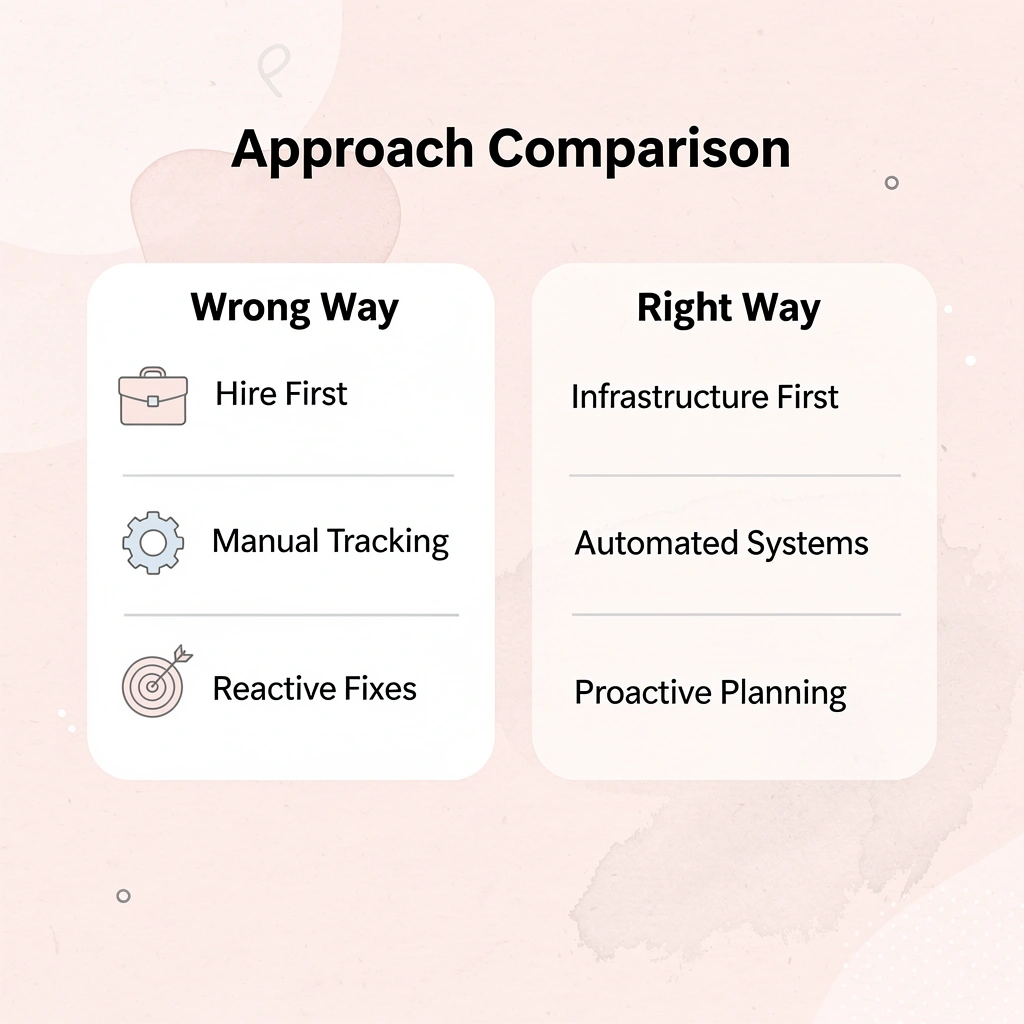
Common Mistake
- Hire first, solve later
- Manual compliance tracking
- Country-by-country solutions
Real Impact
- 300%+ admin cost increase
- High error rates, penalties
- Fragmented processes
Better Approach
- Establish payroll infrastructure first
- Automated compliance monitoring
- Unified global platform
🔑 Takeaway: Successful global expansion requires treating payroll infrastructure as a strategic foundation, not an afterthought. Companies that invest upfront in scalable payroll systems avoid the costly scramble that derails growth momentum.
What happens when companies use too many disconnected systems?
The critical failure point is fragmentation. Companies use many different tools: one vendor for contracts, another for compliance, a third for currency conversion, separate banking relationships per region, and spreadsheets holding everything together. When you onboard a contractor in Brazil, their tax documentation lives in Google Drive, invoices arrive via email, payment confirmations are in a bank portal, and compliance verification is handled by a local contact. Nobody sees the full picture until something breaks.
How does system fragmentation impact payment accuracy and operations?
According to PwC's 2023 Global Payroll Complexity Index, organizations using more than five disconnected systems experience 3.2 times more payment errors than those using integrated platforms. The problem isn't the quality of individual tools; it's that information never converges in one place.
Finance teams approve payments without seeing the updated tax status. HR onboards workers before the banking setup is complete. Contractors submit invoices that don't match contract terms because the data was never synchronized.
What causes delays between contract signature and first payment?
Another breakdown happens between the contract signature and the first payment. Companies celebrate the hire, then workers wait 3 weeks for tax validation, bank account verification, and a compliance review before receiving compensation. This friction emerges when different departments own separate pieces of the onboarding workflow without understanding how delays compound.
How do payment delays impact contractor relationships?
A contractor who accepts your offer likely turned down other job opportunities and spent money based on your start date. When the first payment arrives two weeks late due to delays in tax form review or banking verification, you've created money problems before the relationship begins. Deloitte's 2024 Global Human Capital Trends report found that 41% of international contractors cite inconsistent onboarding timelines as a primary reason for not renewing their contracts.
Why do compliance failures happen with worker classification?
Compliance failures often occur when companies treat worker classification as a one-time decision. You classify someone as a contractor in Argentina based on current rules, then never revisit that decision as local labor laws or the working relationship evolve.
Different countries use different tests to determine employment status. What counts as independent contractor work in one place may classify someone as an employee elsewhere, depending on factors such as exclusivity, level of supervision, and whether the company provides equipment.
How can ongoing validation prevent classification issues?
Platforms like payroll software continuously watch classification requirements across different areas. They automatically flag when working arrangements start to look more like employee status based on local legal standards, and they update compliance documentation as regulations change. Our payroll software helps ensure your contractor classifications stay compliant as regulations evolve.
This changes classification from a one-time legal review into an ongoing process that continuously verifies compliance.
Why does payment inconsistency damage contractor relationships?
Payment schedule reliability is more important than most employers realize. Missing a domestic payroll cycle creates frustration, while missing an international contractor payment creates a financial crisis involving currency conversion, international banking delays, and immovable bill payment deadlines.
When payments arrive unpredictably, contractors cannot budget reliably and seek backup income sources or alternative clients who pay consistently, even if those opportunities offer slightly lower rates.
What are the hidden costs of unreliable global payroll?
The retention cost becomes apparent six months later, when your best contractors leave for companies offering lower rates and dependable payment terms. You lose institutional knowledge, project continuity, and face compounding recruitment costs as you replace experienced workers.
The problem wasn't the compensation amount—it was operational consistency that made financial planning impossible. What workers need from global payroll systems differs significantly from what most companies assume they're solving for.
Related Reading
- How To Pay a Foreign Contractor
- How to Hire Overseas Contractors
- Benefits Of Hiring Remote Workers
- International Payroll Management
- Best Way To Pay International Contractors
- Benefits Of Hiring International Employees
- Best International Payroll Providers
- B2b Cross-border Payments
What International Workers Actually Want From Global Payroll Platforms
Workers care about how they get paid as much as what they get paid. For international contractors and freelancers, payroll determines whether they can plan for rent, manage taxes across borders, or accept work with confidence. When that system breaks, workers experience financial instability.
🎯 Key Point: International workers prioritize payment reliability and cross-border tax compliance over just competitive rates when choosing employers.

"The difference between a good payroll platform and a great one isn't features—it's trust. Workers need to know their money will arrive on time, every time."
💡 Tip: Companies using transparent payroll platforms see higher contractor retention because workers can actually rely on their income streams for financial planning.

Worker Priority
- Payment Speed
- Tax Compliance
- Currency Options
- Fee Transparency
Impact on Decision
- High - affects cash flow
- Critical - legal requirement
- Medium - convenience factor
- High - affects take-home pay
Why does onboarding speed determine contractor acceptance rates?
Quick onboarding determines whether contractors accept your offer or pursue alternatives. Since contractors juggle multiple potential clients at once, a three-week delay in contract approvals, tax validation, and payment setup pushes them toward other opportunities.
According to The Global Payroll Payments Report 2025, 86% of international workers want faster payment processing because delays create uncertainty about housing payments, bills, and existing financial commitments.
How do payment delays impact international contractors financially?
Reliable payment timing creates the foundation for everything else. Contractors managing rent in Portugal, taxes in Brazil, healthcare in Spain, and travel between countries cannot handle unpredictable payout schedules.
A payment two days late might trigger overdraft fees, missed bill payments, or damaged credit in ways the company never sees.
How does transparency reduce worker classification confusion?
Clear contracts matter because international workers navigate classification rules that vary across borders. The same working relationship might constitute an independent contractor arrangement in one country and an employee relationship in another. Unclear agreements create income uncertainty for workers who must understand tax obligations, payment schedules, deduction structures, and legal protections before starting projects. Transparent documentation reduces the stress of cross-border work.
Why is multi-country payment support essential for remote teams?
Being able to pay workers in multiple countries has become essential as remote work spreads across different locations. Payroll systems that require workers to repeat the entire setup process when they move to a new country or change their bank create friction that makes working internationally feel difficult. Workers need systems that adjust to location changes without requiring them to renegotiate contracts or repeatedly reset their payment information.
How do USD accounts provide stability for international workers?
Having a USD account provides stability for workers earning in volatile currencies or whose banks lack robust international transfer support. Research from Global Payroll Trends in 2025 shows that 72% of international workers want real-time visibility into payment status. Delays in confirming successful transfers create unnecessary stress when managing finances across borders.
Why do fragmented payment systems create problems for growing teams?
Most teams manage contractor payments through fragmented systems: invoicing tools, international wire transfers, separate tax documentation, and local banking portals. As contractor networks expand across countries, this approach creates compounding delays and conversion losses that workers absorb directly.
Payroll software like Ontop centralizes onboarding, payments, and compliance while giving contractors global accounts that reduce transfer friction and currency conversion costs, compressing processes that once took weeks into minutes.
What do workers need from cross-border payment infrastructure?
Workers want cross-border management to feel less fragmented so they can focus on their actual work rather than constantly managing payment logistics, tax documentation, and banking complications across multiple countries. When payroll infrastructure works smoothly, it becomes invisible background support. Our payroll software is built to handle exactly this: streamlining cross-border payments and compliance so workers can concentrate on what matters.
That shift changes how confidently workers can commit to international opportunities and how sustainably they can build careers around distributed work. Providing better worker experiences requires infrastructure designed for how contractors operate across borders.
How Ontop Helps Global Workers Get Paid Faster and Work More Flexibly
Faster onboarding and payment infrastructure solve the two biggest friction points international workers face: getting started and getting paid. When those processes compress from weeks to minutes and days to hours, distributed workers can commit to international opportunities without risking financial instability.

🎯 Key Point: The combination of streamlined onboarding and rapid payment processing eliminates the traditional barriers that prevent talented workers from accessing global opportunities.
"When payment processes compress from weeks to minutes and days to hours, distributed workers can confidently commit to international opportunities without risking financial instability."

💡 Tip: Look for platforms that offer same-day payment processing and automated onboarding workflows to maximize your earning potential as a global remote worker.
How does speed function as infrastructure rather than marketing
Most global payroll platforms measure onboarding in business days and payment processing in bank transfer windows. Ontop accelerates these timelines by consolidating what previously required coordination across multiple vendors, compliance systems, and banking networks.
Workers complete onboarding in minutes, rather than navigating fragmented approval chains across contracts, tax forms, identity verification, and payment activation. Every day between accepting an offer and receiving the first payment creates financial uncertainty for contractors who may have already declined competing work.
Why does payment speed matter for cross-border workers
Payment speed follows the same logic. According to Ontop, workers receive payments within 24-48 hours, rather than endure the delays of traditional international banking.
For workers managing rent, taxes, and bills across multiple countries, that difference determines whether cross-border income feels reliable or risky.
How does currency flexibility impact international payroll control?
Traditional payroll systems force workers into rigid currency structures dictated by the company's banking relationships or local vendor limitations. Ontop supports 120+ currencies for flexible payment options, giving workers control over how they receive international income. This flexibility matters in countries with unstable exchange rates, where timing and currency choice directly impact take-home pay. Workers can choose currencies that match their financial obligations rather than accept whatever conversion structure the company's payroll vendor uses.
Why do international workers need access to a USD account?
Access to a USD account gives you greater control. Many international contractors work in locations where local banks provide poor support for global operations or where currency volatility makes income unpredictable. USD accounts provide stability that local currency accounts cannot. A global Visa card lets you access those funds immediately across borders without multiple currency conversions, transfer delays, or international transaction fees.
How does centralized infrastructure reduce operational complexity?
The operational advantage is consolidation. Instead of managing contracts through one vendor, compliance through another, payments through a third, and documentation across email threads and spreadsheets, workers interact with a single platform designed for global teams.
This structural shift reduces cognitive load and administrative friction. During onboarding, contracts, payments, and financial tools are in one system, so workers spend less time coordinating across disconnected infrastructure and more time working.
What benefits do contractors experience with unified platforms?
Contractors can track payment status, access tax documentation, manage multiple client relationships, and control currency preferences without switching between platforms.
This operational consistency becomes especially valuable for digital nomads and distributed professionals managing work across multiple countries, where fragmented systems quickly become unmanageable.
But infrastructure improvements matter only if workers trust the companies using them.
Book a Demo Today - See why 950+ Companies Trust OnTop to Power their Global Teams
Check out Ontop's payroll software for faster onboarding, global payments, USD financial tools, and an easier way to work internationally. Our platform helps more than 950 companies pay workers across 150+ countries, reducing timelines from weeks to minutes.
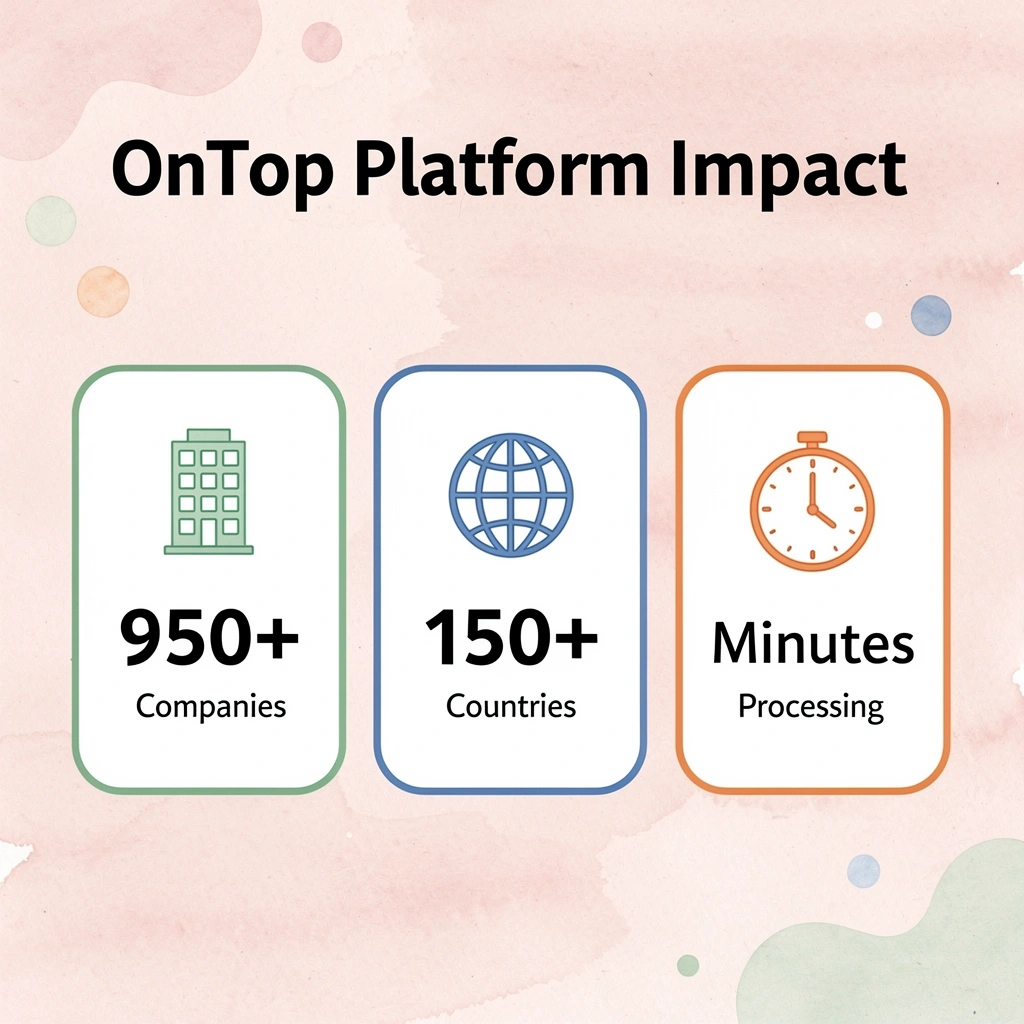
🎯 Key Point: OnTop transforms complex international payroll processes into streamlined operations that take minutes instead of weeks.
"Our platform helps more than 950 companies pay workers across 150+ countries, making timelines that used to take weeks happen in just minutes." — OnTop Platform Statistics
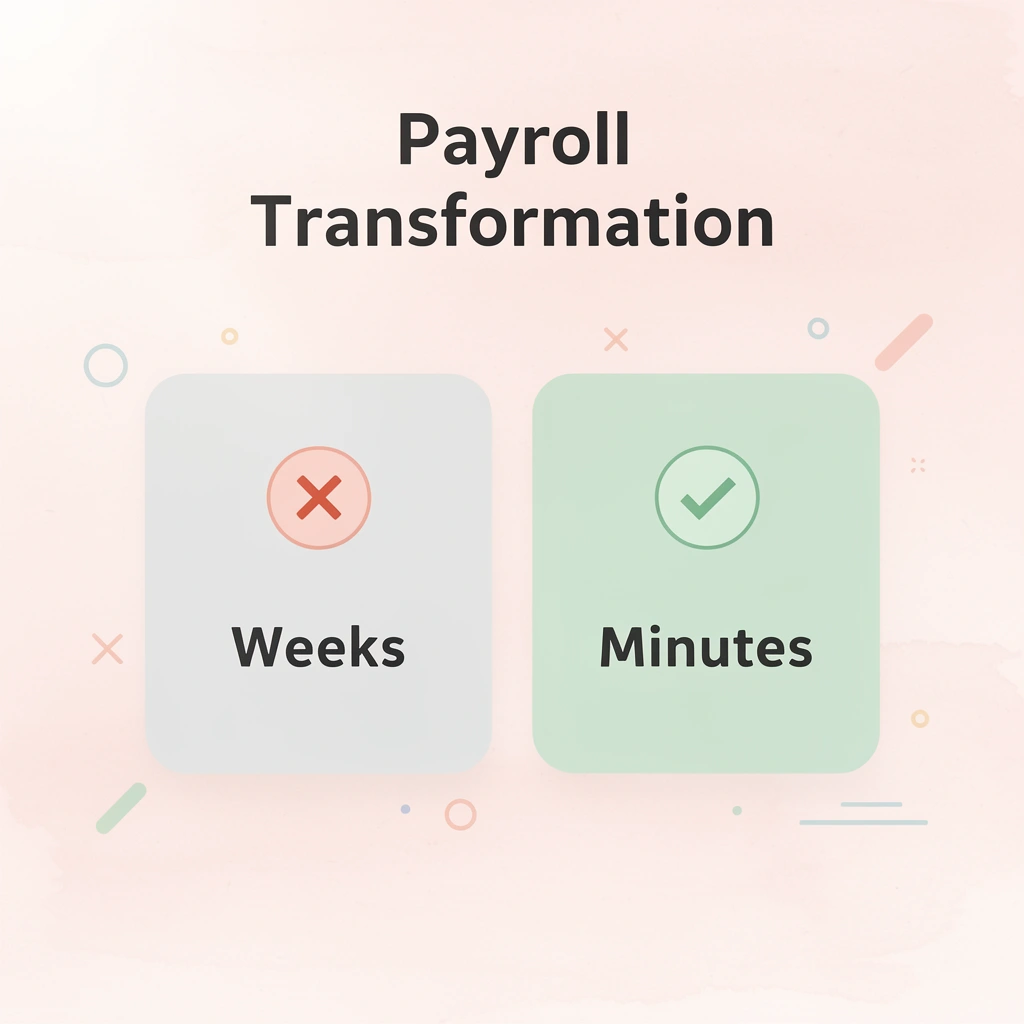
Book a demo today to see how contractor-first platforms fill the gaps that make international work feel risky. Unified infrastructure provides financial security, career flexibility, and the confidence to pursue opportunities without worrying whether your rent payment arrives on time.
💡 Tip: Don't let payment delays and complex international processes hold back your global expansion — see how OnTop eliminates these barriers in a live demo.
Related Reading
- Best Payroll Software For Staffing Companies
- Best Payroll Outsourcing Companies
- Deel Vs Oyster
- Best International Payroll Software
- Best Payroll For Contractors
- Remote Competitors
- Velocity Global Competitor
- ADP Alternative