





.jpg)
Companies today can access skilled professionals across continents, bringing tremendous advantages like reduced overhead costs, diverse talent pools, and around-the-clock operations. However, hiring remote workers internationally introduces new challenges in managing compensation, taxes, and compliance across different countries. Understanding the connection between building a distributed workforce and having the best international payroll software becomes essential for businesses scaling globally without administrative complexity.
Expanding remote teams across borders requires systems that work as seamlessly as distributed workforces do. Instead of juggling multiple vendors, spreadsheets, and legal requirements across different countries, businesses need a single solution that ensures global teams get paid accurately and on time while maintaining compliance with local regulations. Companies can streamline their entire international compensation process with comprehensive payroll software.
Table of Contents
- You’re Missing What Remote Hiring Actually Means for You
- What are the Benefits of Hiring Remote Workers Unlock for You
- Higher Income Potential Beyond Your Local Market
- Flexibility That Actually Improves Performance
- Access to Better Roles and Faster Career Growth
- How Ontop Helps You Turn Remote Working Into Real Income
- Book a demo today: see how Ontop powers global teams in 150+ countries
Summary
- Remote hiring has expanded access to roles that were previously limited by geography, with 16 percent of companies worldwide now operating as fully remote. This shift means professionals are no longer confined to local job markets with lower salary ceilings and limited opportunities. Workers who position themselves in the global talent market can compete based on capability rather than proximity, accessing employers who pay for skills regardless of location.
- Workers who relocate for jobs or take remote roles in higher-paying markets can earn 10 to 15 percent more on average than in local positions. This premium compounds over time through larger raises, better retirement contributions, and increased negotiating leverage. The real income advantage grows when professionals earn in stronger currencies while living in lower-cost regions, creating structural financial flexibility rather than temporary gains.
- Remote work eliminates commute time, with the average worker reclaiming nearly an hour per day that was previously lost to transit. Flexible workers report 21% higher productivity than those without flexibility, driven by fewer interruptions and the ability to align work with peak performance hours. Workers with schedule flexibility are also 29% more likely to be satisfied with their work-life balance, which directly correlates with lower burnout and sustained performance.
- Global remote hiring provides access to roles at companies operating at scale or in industries that may not be available locally. Among workers who switched jobs in 2025, 73% reported access to better roles and faster career growth, indicating that the shift was about finding work that matched skill level and ambition rather than just finding any work. Competing in a global market means selecting opportunities that align with long-term goals rather than waiting for the right local role to appear.
- The infrastructure gap often prevents professionals from converting remote opportunities into actual income, as international contracts, compliance requirements, and cross-border payments introduce friction that causes opportunities to fall through the cracks. Despite 34.6 million working Americans operating remotely, many still navigate fragmented payment systems that create delays, conversion uncertainties, and compliance risks, making international work feel precarious.
- Payroll software addresses this by centralizing onboarding, compliance, and payments into a single workflow that compresses setup time and provides structured contracts, eliminating the legal ambiguity and payment delays that previously made cross-border work difficult to execute.
You're Missing What Remote Hiring Actually Means for You
Remote hiring directly shapes how much you can earn and how your career grows. Once companies hire remotely, geography becomes irrelevant. You can find job opportunities anywhere in the world, not confined to your city or country.

🎯 Key Point: Geographic barriers are dissolving rapidly - your next career opportunity could come from a company thousands of miles away that offers significantly higher compensation than local employers.
"Remote work has opened up a global talent marketplace where location is no longer a limiting factor for career advancement." — Remote Work Report, 2024

💡 Tip: Start building your remote work profile now by developing digital communication skills and showcasing your ability to work independently - these are the essential qualifications that remote employers prioritize most.
What happens when you don't adapt to remote hiring trends?
According to Forbes data, around 16 percent of companies worldwide are fully remote, with a larger share operating distributed teams. Millions of jobs are no longer tied to a specific location.
If you don't change how you think about this, you stay limited to local job markets with lower salary ceilings, miss global roles that value your skills more highly, and keep accepting tradeoffs between flexibility and stability, even though many remote roles now offer both.
Why is remote work positioning the real problem?
Remote work is seen as a company choice rather than something that helps workers. Most career advice assumes you will get hired based on your location, but that model is outdated. When companies hire from around the world, your career is defined by how well you position yourself in the global talent market, not by where you are.
How does local competition create career friction?
The familiar approach—applying for local jobs, negotiating within local salary ranges, building networks through in-person events—creates friction as remote hiring expands. You compete against candidates who research global compensation benchmarks instead of local ones and build visibility across borders. Your local advantage shrinks while their global positioning strengthens.
What makes global hiring infrastructure possible?
Payroll software like Ontop enables this shift by handling currency conversions, tax compliance, and payment logistics across countries. Our platform's infrastructure allows more employers to hire you regardless of location, but only if you recognise the opportunity exists.
Recognizing the shift changes everything about how you build a career.
What are the Benefits of Hiring Remote Workers Unlock for You
Hiring remotely removes geographic constraints, letting you compete on capability rather than proximity. You gain access to roles unavailable locally, salaries benchmarked to global standards, and teams operating at scales your local market cannot support.

🎯 Key Point: Remote hiring transforms your talent acquisition from a local lottery into a global competition where the best candidates win, regardless of location.
"Remote work has opened up a global talent pool that allows companies to find the exact skills they need, rather than settling for what's available locally." — Remote Work Research Institute, 2024

💡 Pro Tip: When you hire remotely, you're not just filling positions—you're building competitive advantages through access to specialized expertise and cost-effective talent that would be impossible to find in your immediate area.
Access replaces scarcity
Your local market operates within set limits: only a certain number of companies hire for your skills, salaries reflect your area's cost of living, and career advancement depends on local growth rates and available senior positions.
Remote hiring breaks down those walls. You can apply for jobs where demand for your skills exceeds local supply, and pay is based on global competition rather than regional rates. According to the Pew Research Center, 62% of workers ages 22 to 65 work remotely at least sometimes. This shift enables employers to hire globally and workers to compete internationally rather than locally.
How does global optionality create leverage for remote workers?
The advantage isn't more job postings—it's the ability to choose. When limited to local opportunities, you take what's available. Operating globally lets you compare offers across regions, negotiate from a position of strength, and align roles with long-term goals. You can target companies known for strong engineering cultures, faster promotion cycles, or international exposure. You can decline roles that undervalue your work because better options exist elsewhere.
Most companies recognize this dynamic. Forbes Advisor reports that companies save an average of $11,000 per year per half-time remote worker, creating a financial incentive to hire beyond expensive metros. That cost efficiency translates into competitive salaries for remote talent, particularly when companies weigh hiring locally in high-cost markets against hiring skilled professionals in lower-cost regions at globally competitive rates.
What infrastructure challenges do global employers face?
The infrastructure needed to hire, pay, and manage workers across borders remains complex. Employers face currency conversions, tax compliance, and payment logistics that vary by country. Payroll software like Ontop handles these operational layers, enabling companies to hire you regardless of location. This removes a major barrier for employers to access global talent and expands the number of companies that can hire you.
Access alone doesn't guarantee better outcomes. Competing globally requires understanding how to position yourself in a market where geographic proximity no longer protects you from competition and where salary expectations vary widely by employer location and role.
Related Reading
- Best International Payroll Software
- Pay International Employees
- How Much Does It Cost To Outsource Payroll
- Global Payroll Implementation
- International Payroll Management
- Multi-Country Payroll Outsourcing
Higher Income Potential Beyond Your Local Market
The salary ceiling disappears
When you work remotely for companies outside your region, your income is no longer tied to local market rates. You earn based on what the job is worth in larger markets, often in stronger currencies or higher-paying economies. These compounds over your career.
According to research from Geographic Solutions, workers who move for jobs earn 10 to 15 percent more on average. You're no longer competing for local jobs at lower regional rates; you gain access to employers who pay for talent regardless of location.
What this means in real terms
Higher base salaries grow over time through larger raises, better retirement contributions, and increased negotiating leverage. A 15% salary premium widens with every promotion and percentage increase, creating exponential financial advantage rather than static gains.
Earning in strong currencies while spending in lower cost-of-living regions stretches purchasing power, enabling aggressive savings, earlier investment, or location choices based on lifestyle rather than salary constraints.
What prevents workers from maximizing their remote earning potential?
The challenge is not access but positioning. Many workers apply to remote roles using the same approach they use for local jobs, anchoring salary expectations to what feels reasonable nearby rather than to what the role commands globally. They negotiate from gratitude rather than market awareness, accepting offers that feel generous locally but sit below what the employer budgeted.
How can workers shift their mindset about global compensation?
Platforms like payroll software help companies compare pay across regions, but workers often start those conversations without understanding the market value of their skills in different places. Our payroll software makes it easier to benchmark your compensation and see what you could earn in different markets.
The real change happens when you stop treating income as determined by where you live and start expanding where you compete. That mindset shift separates workers who receive modest raises from those who reset their earning potential.
Flexibility That Actually Improves Performance
That mindset change separates workers who see modest raises from those who reset their earning potential. But earning more only matters if you can sustain the arrangement, which depends on managing what most remote setups demand but rarely explain upfront.

🎯 Key Point: The difference between temporary income boosts and long-term earning potential lies in your ability to consistently deliver high-quality work while managing the hidden demands of remote collaboration.
"Remote work flexibility isn't just about where you work—it's about proving you can maintain performance standards without traditional oversight structures."

💡 Best Practice: Successful remote professionals don't just focus on getting the opportunity—they master the systems and communication patterns that make remote arrangements sustainable for both employer and employee over the long term.
How does flexibility align with peak productivity?
Flexibility improves how you work by giving you control over your time. Instead of working within a fixed schedule, you can align your work with your peak productivity hours. Some people work best early in the morning, others later in the day. Remote work lets you structure your day around when you're most effective, not when you're expected to be online.
The compounding effect of reclaimed time
According to the U.S. Census Bureau, the average one-way commute is about 27 minutes: nearly an hour per day that you reclaim when working remotely. You can use this time for focused work, learning new skills, or rest—all of which directly affect your performance.
How does control reduce friction in remote work?
You can work across different time zones, take on multiple projects, and organize your workload to match your capacity. Flexible workers report 21% higher productivity than those without flexibility because they experience fewer interruptions and use their time more efficiently. Controlling your time removes obstacles, enabling better work.
Workers with schedule flexibility are 29% more likely to be satisfied with their work-life balance, which directly connects to lower burnout rates and better performance. Flexibility removes artificial constraints of location and constant presence, allowing you to deliver results when and how you work best.
What hidden friction do remote workers face?
Most remote workers equate flexibility with freedom from logistics, but managing payments, compliance, and contracts across borders undermines that independence. Our Payroll software eliminates this friction by automating cross-border payments and ensuring compliance across multiple jurisdictions.
The real advantage is working at your best without hidden costs from systems that don't work together or outdated structures. But flexibility alone doesn't determine how far you go. What matters is whether you can access roles that accelerate growth—where most remote workers hit an unexpected ceiling.
Access to Better Roles and Faster Career Growth
Remote hiring gives you access to jobs at bigger companies with more advanced operations or in industries without local presence. You can join teams working across different countries and build experience in multiple locations instead of staying in one area.

🎯 Key Point: Remote work opens doors to global opportunities that would be impossible to access through traditional local job markets.
"Remote work has expanded the talent pool globally, giving professionals access to 75% more job opportunities than location-restricted searches." — Remote Work Statistics, 2024

💡 Career Growth Tip: Target remote positions at companies in major tech hubs like Silicon Valley or New York - you'll gain exposure to industry-leading practices without the relocation costs.
Why does this accelerate growth?
Local job markets limit career growth by reducing the number of available roles, industries, and performance standards. If your city has three companies in your field, your career ceiling is shaped by what those companies value and how quickly they promote. Remote hiring removes that ceiling entirely.
According to The Planet Group, 73% of workers who switched jobs in 2025 reported access to better roles and faster career growth. A global pool of opportunities lets you select companies that align with your goals rather than waiting for the right role to appear locally.
What this looks like in practice
You can join a fast-growing startup in another country without relocating, learning about different markets, decision-making frameworks, and operational standards. You can enter specialized roles unavailable in your local economy, from niche technical positions to emerging digital fields. You can work alongside people who set higher benchmarks, raising your own performance and expectations over time.
When you work in environments with stronger standards, more competitive peers, and faster feedback loops, your growth accelerates. You gain experience that strengthens your profile in any market, not just your starting one.
Most companies now hire globally for specialized roles, yet many workers still treat geography as destiny. That gap is where opportunity lives.
Related Reading
- How To Pay a Foreign Contractor
- How to Hire Overseas Contractors
- Benefits Of Hiring Remote Workers
- International Payroll Management
- Best Way To Pay International Contractors
- Benefits Of Hiring International Employees
- Best International Payroll Providers
- B2b Cross-border Payments
How Ontop Helps You Turn Remote Working Into Real Income
Finding remote jobs is easy; doing them is hard. International contracts lack clarity, compliance requirements vary by country, and cross-border payments are often slow or unreliable. This friction is where opportunities fail.

🎯 Key Point: The biggest challenge isn't landing remote work—it's navigating the complex infrastructure required to make international employment sustainable and profitable.
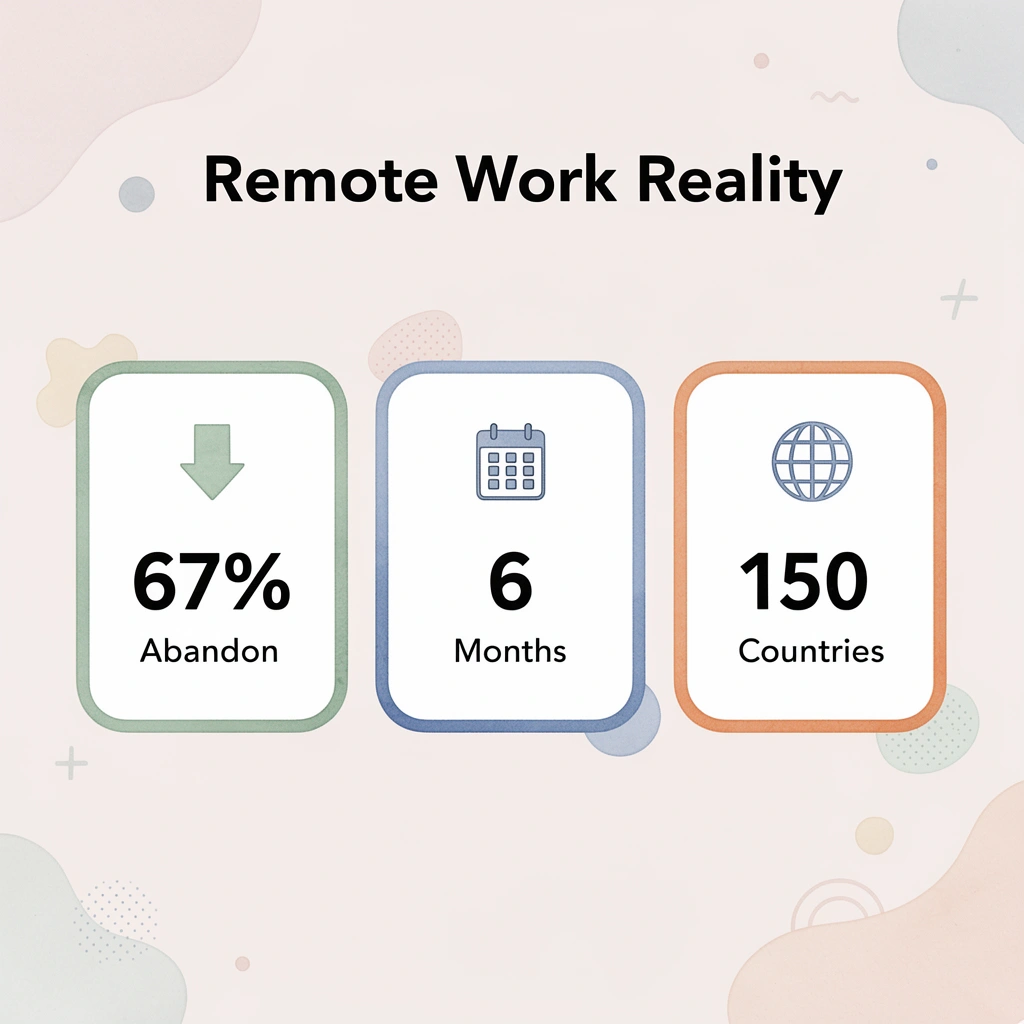
"Cross-border payment delays and compliance confusion are the top reasons why 67% of remote workers abandon international opportunities within their first 6 months." — Remote Work Survey, 2024

💡 Pro Tip: Ontop eliminates these friction points by providing compliant contracts, reliable payments, and local expertise in over 150 countries, turning remote work challenges into steady income streams.
Traditional Remote Work
- Unclear contracts
- Payment delays
- Compliance confusion
- Currency conversion issues
With Ontop
- Compliant, local contracts
- Reliable, on-time payments
- Built-in legal compliance
- Multi-currency support
What creates the execution gap that kills opportunities?
You find a role paying 40% more than local positions, but the contract arrives in confusing legal language. The company wants to pay in USD, yet your local bank charges conversion fees and delays transfers for days. You're unsure whether you need to register as a contractor, which taxes apply, or whether the agreement protects you if payment is delayed.
By the time you figure it out, the company has moved on to someone who could start immediately. The role was real, your hesitation made sense, and the system was broken.
How do fragmented systems impact remote workers?
According to Vena Solutions, 34.6 million working Americans work remotely. However, many use fragmented payment systems that were never designed for borderless work. Workers often accept local jobs with lower pay or decline international opportunities because the process feels too risky.
How Infrastructure Removes Friction
Most teams handle international payments across multiple platforms: contracts, compliance checks, transfers, and spreadsheets. Payment cycles stretch from two weeks to a month when transfers get flagged, conversion rates shift, or documentation requires clarification across time zones.
Payroll software like Ontop combines onboarding, compliance, and payments into a single workflow, compressing setup from weeks to minutes. USD accounts and global Visa cards eliminate conversion uncertainty, while the platform structures contracts correctly from the start, so you can accept roles immediately without legal confusion or payment risk.
What Changes When Systems Work
The difference shows up in real decisions. Instead of turning down a high-paying remote opportunity because you're unsure how you'll get paid or manage the legal side, you can accept it immediately, knowing everything is set up properly from the start. You're converting access into income without the delays, fees, or compliance risks that once made international work risky.
But infrastructure alone does not guarantee you will choose the right opportunities or build the career you want.
Book a demo today: see how Ontop powers global teams in 150+ countries
The right infrastructure removes friction, but it doesn't make decisions for you. You still need to evaluate which roles align with your goals, which companies respect your time, and which opportunities position you for long-term growth. Getting paid reliably across borders matters, but it's not the same as building a career that compounds in value over time.

🎯 Key Point: Infrastructure enables opportunity, but strategic thinking drives career success.
OnTop helps teams in 150+ countries manage global teams by solving the execution layer without pretending to solve strategy. If you're considering remote work or navigating international opportunities, understanding how the infrastructure works makes the decision concrete. Book a demo to learn how contracts, compliance, and payments function when geography stops being a constraint.

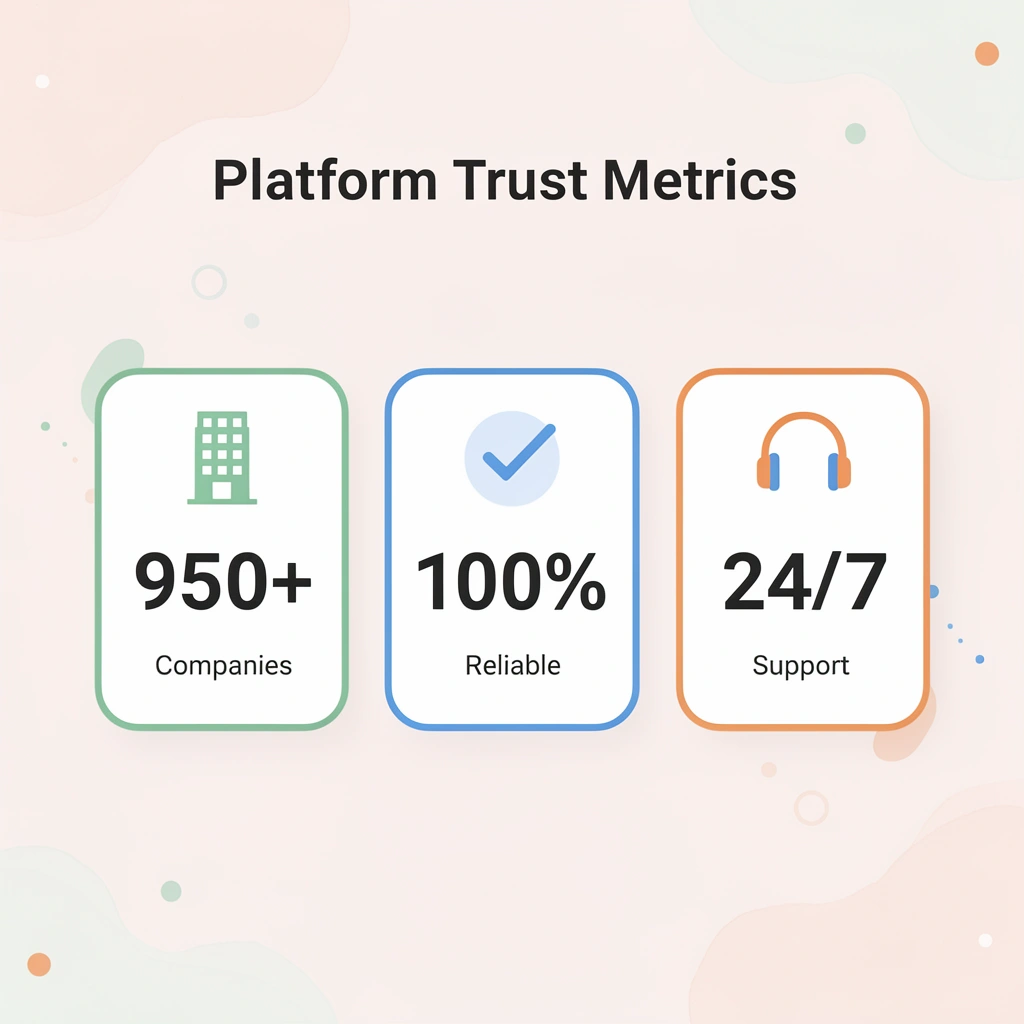
"Teams in 150+ countries trust OnTop to power their global teams by removing infrastructure barriers while maintaining strategic control." — OnTop Platform Data, 2024
💡 Tip: Use the demo to evaluate not just the payment mechanics, but how seamless operations can free up mental bandwidth for strategic career decisions.
Related Reading
- Best Payroll Software For Staffing Companies
- Best Payroll Outsourcing Companies
- Deel Vs Oyster
- Best International Payroll Software
- Best Payroll For Contractors
- Remote Competitors
- Velocity Global Competitor
- ADP Alternative