





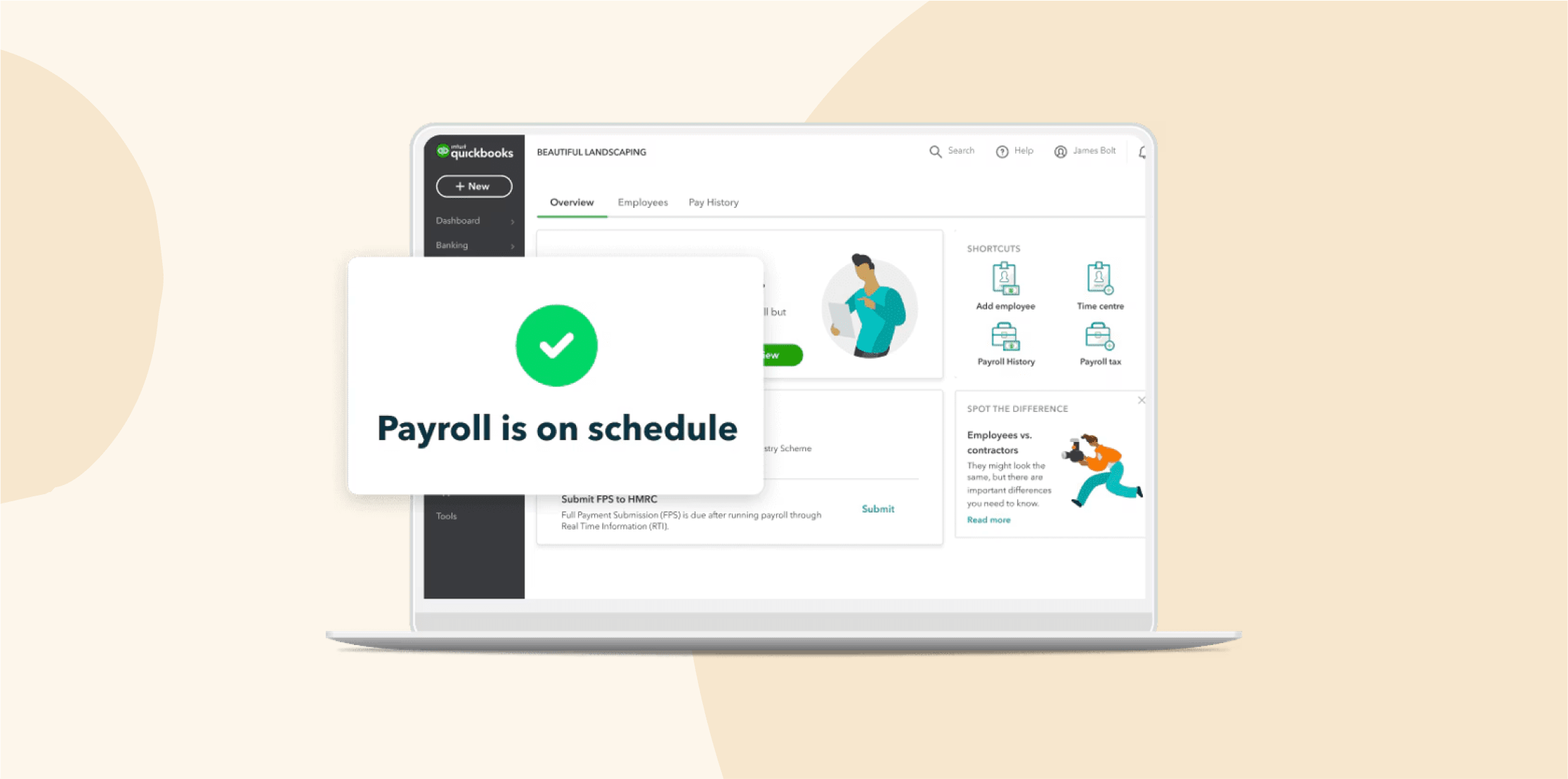
Managing a global workforce becomes complex when handling multiple currencies, tax systems, and compliance standards. Manual processes not only consume valuable time but also increase the risk of costly errors. Automated solutions streamline these challenges and ensure accurate, on-time payments for remote teams.
Automation simplifies currency conversions, tax calculations, and compliance management, allowing businesses to focus on growth rather than paperwork. This approach is particularly valuable when expanding a distributed workforce. Ontop's payroll software provides the tools needed to manage global payroll efficiently while minimizing administrative burdens.
Summary
- Late payments hit a large share of freelancers at least occasionally, with many experiencing delays or non-payment more than half the time. This isn't an edge case problem. It's a structural failure in how cross-border payments work, creating income uncertainty that undermines the stability remote work promises.
- Compliance challenges affect 68% of payroll professionals managing international payments, according to the Global Payroll Payments Report. When two-thirds of the people responsible for processing payments struggle with regulatory requirements, that complexity cascades directly to contractors, leading to classification disputes, tax penalties, and payment delays as companies sort out jurisdictional rules.
- Currency management creates friction at scale, with 73% of payroll professionals identifying multi-currency handling as a top challenge. Traditional banking infrastructure extracts 2-4% from every international transfer through exchange spreads and intermediary fees, while conversion timing uncertainty makes income forecasting nearly impossible for contractors paid across borders.
- Automation eliminates up to 90% of payroll errors by removing manual data entry and calculation mistakes, according to QuotaPath research. When the same logic applies consistently to every transaction, payment amounts stop fluctuating unexpectedly, tax withholdings are calculated correctly, and contractors receive predictable income rather than spending hours reconciling discrepancies each payment cycle.
- Payment processing time drops by 80% through automation, compressing cycles from days to hours and eliminating delays that create cash-flow problems for remote workers. That speed shift isn't just convenience. It's the difference between planning confidently around known payment dates and building financial buffer days into every commitment, given that transfers arrive unpredictably.
- Digital nomad populations reached 35 million globally in 2024, revealing infrastructure gaps as more workers earn across borders while managing international logistics that require upfront commitments. Predictable payment timing, stable currency access, and proper documentation become essential when visa applications, housing deposits, and travel bookings demand proof of reliable income that traditional informal payment arrangements can't provide.
- Payroll software addresses these challenges by automating payment scheduling, compliance tracking, and currency handling across 150+ countries, providing distributed teams with the infrastructure reliability needed to sustain cross-border work.
The Real Cost of Getting Paid the Old Way

Traditional payment systems weren't made for global work. They were created for local transactions between companies and employees in the same country, using the same money and following the same tax rules. When these systems must operate across borders, they break down in predictable, costly ways. Non-payment isn't unusual. Late invoice payments are a common experience for freelancers. More concerning still, many freelancers are paid late, or not at all, more than half the time. This isn’t just about payment delays; it reflects a structural reliability issue that undermines the whole idea of remote work. Using efficient payroll software can help streamline these processes.
International transfers can take days, and sometimes even a week if extra banks are involved. You send an invoice on the 30th, but the money might not arrive until the 8th or 10th of the next month. Currency exchange often quietly takes 2-4% off what lands in your account. You agree to $3,000, but after conversion and fees, only $2,850 shows up. That missing $150 isn’t explained in an email. It just disappears into the gap between what was promised and what actually arrived.
How does payment uncertainty affect mental accounting?
Mental accounting plays an important role in managing money. People determine whether problems arise from fees, exchange-rate changes, or errors in the financial system. They send follow-up emails across time zones, and it has become routine to check the bank app twice a day, wondering whether today is the day the payment will go through. This cognitive load doesn't appear on any bill, but it drains focus, time, and peace of mind. The main problem is often a lack of visibility. Deductions aren't clearly listed, and tax withholding can vary depending on an individual's classification. Contracts may not clearly specify payment timelines or indicate which party bears currency risk. When issues come up, people have to seek answers, often from those who understand the payment rails no better than they do.
Does remote work flexibility lead to financial uncertainty?
Remote work promises flexibility. You can work from anywhere, set your own schedule, and build a life that fits your needs. But that flexibility disappears when your income isn’t steady. Financial uncertainty makes it harder to commit to rent in a new city, book travel, or even decide if you can afford to take a week off between projects.
What challenges do companies face with manual payment processes?
The same issue comes up when hiring and building teams. Companies that depend on manual payment methods face similar problems. Finance teams spend many hours matching invoices, obtaining approvals, and managing currency conversions across various banking platforms. As the team grows from five contractors to fifteen, and then to thirty, the administrative burden increases. This leads to more payment errors, which frustrate contractors and erode trust.
How can payment software improve payment logistics?
Platforms such as payroll software make cross-border payments easier by providing automatic tax calculations, tracking compliance, and enabling instant payments. This reduces payment times from days to hours and eliminates manual reconciliation tasks that can lead to errors and delays. Automation not only saves time but also restores predictability for both the company and the people it pays.
What extra responsibilities do contractors face?
You agreed to deliver great work, and you did, but now you're handling a second job: payment logistics. This aspect is rarely discussed when considering the freedom of remote work. It includes keeping spreadsheets to track who owes you money, setting calendar reminders to follow up on late invoices, and the nagging worry that grows when rent is due, and the transfer still hasn't gone through. Most people avoid discussing this because it seems unprofessional. Saying you're worried about getting paid can make it seem like you don't trust your clients or that you haven't fixed this issue yet. So, you stay quiet, send polite reminders, and deal with the stress on your own.
What is the biggest issue with current payment systems?
The truth is, payment friction isn't a sign of failure; instead, it's a design flaw in systems that were never built for how we work today. When payroll systems can't keep up with global teamwork, the workers end up paying the price in time, money, and emotional energy.
What other factors complicate payments?
Geography alone does not explain why payments become complicated. Several other factors also contribute to this complexity, and understanding how payroll software can streamline these processes is crucial.
Related Reading
- Paying Overseas Contractors
- Global Payroll Trends
- International Payroll Compliance
- Global Payroll Best Practices
- How to Pay Overseas Employees
- Global Payroll Strategy
- Cross Border Transaction
- Payroll for Remote Workers
Why Cross-Border Work Makes Payroll More Complicated

Geography multiplies every point of failure. A contractor in one country working for a company in another is not just dealing with distance. They are also dealing with different legal systems, tax rules, banking systems, and regulatory expectations that were never set up to work together. What works smoothly within borders can change when money needs to cross them. Exchange rates fluctuate frequently, yet most payment systems lock in rates at random times. For example, you agree to $5,000 for a project. The client sends it on the 15th, but by the time it shows up in your account on the 22nd, the rate has changed. Sometimes this works out well for you, but often it doesn't. That $5,000 can shrink to $4,850 after conversion costs and bank fees. The loss isn’t explained; it simply comes in lower than expected.
Forecasting income becomes guesswork. If you are paid in a foreign currency, you can't know the exact amount you'll receive until it arrives. Planning for rent, savings, or business costs requires guessing currency fluctuations that you can't control. This instability worsens when managing multiple clients across multiple currencies. One month you might see an increase of 3%, and the next, a drop of 5%, neither of which truly shows the real value of your work. Our payroll software makes it easy to manage these challenges and ensure you receive the amounts you're expecting.
How do different countries classify workers?
Countries classify workers in different ways. Some view individuals as self-employed, while others expect employers to withhold taxes. A few require both sides to report the same income independently. If a company misinterprets local tax rules or workers misunderstand their responsibilities, either side may incur penalties or unexpected costs. Research from the Global Payroll Payments Report found that 68% of payroll professionals cite compliance with local rules as a big challenge. This issue is more than just a small administrative hassle; it becomes a barrier to growing global teams without risk. When two-thirds of those responsible for payments struggle with compliance, the contractors they pay feel that uncertainty.
Even though tax treaties are in place, they are complicated and applied inconsistently. You might qualify for reduced withholding rates under a bilateral agreement, but only if both sides file the correct forms on time. If you miss a deadline or misunderstand a provision of the agreement, you could end up paying double taxes until the issue is resolved, which often requires costly professional assistance.
What challenges do international wire transfers present?
International wire transfers pass through correspondent banks, each of which charges a fee and slows the process. A payment sent from New York to Nairobi might go through three or four intermediary institutions before it arrives. Each institution charges fees and adds a day or two to the process. What should be a quick transaction becomes a week-long waiting game, leaving you unsure where the funds are or when they will clear.
In some countries, it's hard to get access to stable-currency accounts or international payment platforms. Depending on where you live, opening a USD or EUR account locally can be tough or even impossible. This makes you depend on local-currency accounts, which can expose you to inflation risk, or on third-party services that add additional fees and exchange spreads. The infrastructure gap isn't your fault, but you're the one who ultimately bears the cost.
Why is worker classification a risk?
Are you an employee or a contractor? The answer depends on the laws of the country you are in. In one place, they might look at your work hours and decide that you are really an employee. This can lead to payroll taxes and benefits that the company did not expect. On the other hand, in another location, they might see the same situation as independent contracting, which means the employer has no responsibilities. This confusing area creates risk for both parties; however, contractors typically have less leverage to negotiate clarity up front.
Misclassification isn't always intentional. Companies that are growing globally often do not realize that definitions of contractors can be different by country. They often use the same contract template across all locations, believing it is legally acceptable. When a disagreement arises or a tax authority reviews the relationship, the contractor is left trying to prove their status and protect their income.
How can automation help with classification compliance?
Platforms such as payroll software automate classification compliance by applying country-specific labor laws to each contract. This process points out misclassification risks before they become legal issues. Teams see that automation not only reduces administrative work but also eliminates the guesswork that often leads to costly compliance failures. Additionally, it helps protect contractors from getting caught in regulatory disputes that they did not cause.
What financial challenges do contractors face?
Many contractors cannot access the same financial services as local employees. In some areas, getting international cards is hard. Also, savings accounts that protect against currency exchange rate losses are not available everywhere. Payment platforms popular in one country may not integrate with the banking systems in another, making it difficult for contractors to arrange separate services just to receive and manage their funds. This disorganization creates significant inefficiency. Contractors may need one account to get payments, another to change currency at better rates, and a third to spend or save the money. Each transfer between accounts costs both time and fees. Plus, every extra service means one more login to keep track of, another set of terms to understand, and another chance for problems when something doesn’t work.
How does complexity impact income across borders?
As income crosses more borders, it creates more dependencies. Each currency conversion, banking intermediary, compliance rule, and classification confusion can become a potential failure point. When everything works well, it seems manageable. However, if a single part fails, the entire system can come to a halt. This leaves one looking for answers across time zones while bills are due. According to the Global Payroll Payments Report, 73% of payroll professionals report that managing multiple currencies is a significant challenge. This problem extends beyond finance departments; it affects employees, who face delays in transfers, confusing deductions, and uncertainty about their income. These issues undermine the stability remote work is meant to provide.
What is the role of infrastructure in cross-border payments?
Cross-border freedom is possible, but it requires infrastructure capable of handling complexity without breaking down. When payments depend on manual work across systems that don't integrate well, each transaction becomes a complex negotiation with many issues. The important question is not whether problems will arise, but whether your payment system is designed to handle them or to make them worse. Automation is critical; it goes beyond speed and convenience.
What an Automated Payroll System Actually Means for You

It means predictability replaces guesswork. Payments arrive on schedule, not when someone remembers to process them. Currency conversions are clear, with a clear understanding of what you're getting and why. Human error is eliminated because the system handles all calculations, classifications, and compliance tracking without requiring manual input at each step. In contrast, manual payroll requires someone to initiate the process. They must remember the payment date, collect the required information, approve the transaction, and execute the transfer. Each step can cause delays, with approvals stuck in inboxes and invoices lost in email threads. Transfers often wait behind other tasks, making timely payment even harder.
How does automation impact payment processes?
Automation removes that dependency. Payments trigger based on predefined schedules. The system knows when contractors should be paid, pulls the necessary data from contracts and timesheets, calculates amounts, including any deductions or adjustments, and initiates transfers without manual intervention. You stop wondering if today’s the day someone will remember to pay you; the structure ensures it happens.
Exchange rate uncertainty disappears when the system standardizes how conversions happen. Instead of finding out the final amount only after money lands in your account, automated platforms lock in rates at consistent points in the process and show exactly what you’ll receive. Fees get itemized, and spreads get disclosed. You see the breakdown before the transfer is complete, not days later when you’re trying to understand why the number doesn’t match your invoice. That visibility matters for budgeting. You can plan around actual amounts, not estimates. If you’re managing expenses in one currency while earning in another, knowing the converted value upfront lets you make decisions with confidence rather than hoping the exchange rate moves in your favor.
What are the risks of manual payroll processes?
Mistakes in spreadsheets can build up quickly. For example, someone might switch a number, make an incorrect calculation on a deduction, or apply the wrong tax rate. These errors can disrupt payroll cycles and create payment issues that take time to resolve. According to the QuotaPath Blog, automation can reduce payroll errors by 90% by eliminating manual data entry and calculation errors in traditional systems. Automated systems use consistent logic for every transaction. Tax rates are sourced from updated databases, and deductions align exactly with contract terms. Payment amounts align with agreed rates, preventing rounding errors or missed adjustments. When calculations follow the same method every time, mistakes disappear. This means payments do not change unexpectedly from month to month, eliminating the need to question whether changes are real or errors that need to be resolved.
How does classification affect my income?
Proper classification is critical to protecting income from legal risks. Automated platforms can track which rules apply to work arrangements by location and flag potential misclassification risks before contracts are signed. They also keep documentation that meets regulatory requirements in different countries. This structure is especially important during audits, tax season, or policy changes that could retroactively affect employment status.
How does automation assist with compliance?
Platforms like payroll software automate compliance by applying country-specific labor laws to each contract. They handle tax calculations across 150+ countries and keep audit trails that protect both parties from classification disputes. Automation not only saves administrative time but also eliminates regulatory guesswork that can lead to costly legal exposure, protecting contractors from compliance failures they didn't cause. You don't need to become an expert in international tax treaties or employment law. The system handles the complex details in the background and updates automatically as regulations change. This ensures your payments meet current requirements without requiring you to monitor policy changes across multiple countries.
What is the significance of consistent payment timing?
Financial stability isn't just about how much you earn; it's also about knowing when money will come in and being able to trust that timing. When payments arrive on time, you can sign a lease in a new city without worrying if this month's payment will show up before it's due. You can plan travel, buy new equipment, or take breaks between projects without worrying about cash flow. According to QuotaPath Blog, 80% of payroll processing time can be saved through automation. This change reduces payment cycles from days to hours and eliminates delays that create income uncertainty for remote workers and contractors.
How does reliability change my work experience?
Reliability significantly changes how you relate to your work. You can stop wasting mental energy on tracking payment status, allowing you to focus entirely on delivering excellent work. The stress of worrying about getting paid on time goes away. You are no longer juggling two roles: the job you were hired to do and the unpaid administrative burden of following up on payments. Automation is more than just a way for companies to be efficient; it helps create financial stability. When payroll works smoothly and predictably in the background, you can shift your focus from handling payment logistics to building the career and life that remote work was meant to offer.
The Core Benefits of an Automated Payroll System for Workers
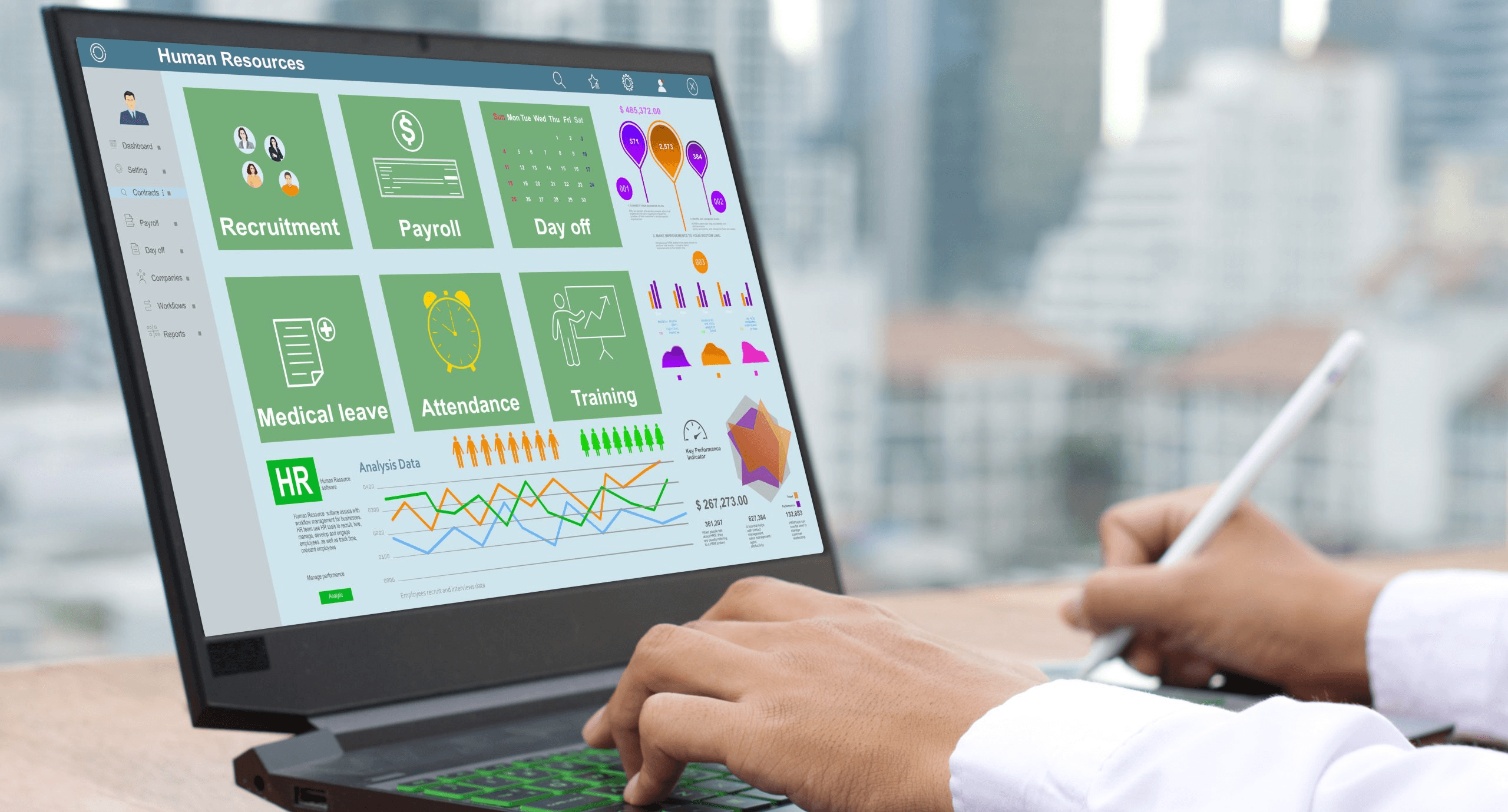
Automated payroll replaces income uncertainty with financial confidence. Workers get paid on time, gain access to better currency tools, and avoid the traps that create tax problems. This change is not just about how things work; it shows a shift from worrying about getting paid to building a stable remote career. Payment delays often happen with manual processes. For example, an invoice approval might be lost, or finance might wait until once a week to process transfers rather than when they are due. Also, banks may hold funds for verification, which can take 24 hours to 5 business days. These are common issues. Many freelancers experience late payments or no payment more than half the time. This shows a system in which unreliability is the norm rather than the exception.
How do automated systems eliminate payment bottlenecks?
Automated systems eliminate payment bottlenecks by taking away human decision points from the payment chain. Contracts include payment dates, which help the platform trigger transfers automatically. Approvals are processed according to predefined rules, rather than waiting in someone's inbox. This means users don't have to check their bank accounts, wondering if today's the day the funds finally arrive.
What changes when you know when payments arrive?
Knowing exactly when payments arrive can change how you manage your finances. You can plan rent transfers without extra days for safety. Booking flights is also simpler, since you can do so confidently, knowing the funds will be available. You can take on projects based on their value, not just because you need quick cash to fill gaps caused by someone else's late payment. As a result, financial planning moves from guesswork to a process that you can actually control.
How do traditional banks affect payment amounts?
Traditional banks view international payments as rare transactions rather than a regular source of income. They use retail exchange rates, which deduct 2-4% from each transfer. On top of that, they have received fees, intermediary fees, and conversion fees that add up without clear notice. As a result, if you send a $3,000 payment, you might receive only $2,820 after the banking system takes its share. This means you might not realize there’s a loss until the money arrives.
What are the advantages of modern payroll platforms?
Modern payroll platforms provide USD-denominated accounts that skip multiple conversions. You are paid in a stable currency and can keep it without converting it. This lets you spend or save using tools made for global work. According to international payment providers like Visa, traditional bank fees on international transfers can range from 4% to 15% when you factor in all charges and exchange rates. This isn't just a minor convenience difference; it means hundreds or thousands of dollars per year stay in your account rather than being lost to bank fees.
How do multi-currency accounts protect against volatility?
Access to multi-currency accounts protects against local currency volatility. For example, if a home currency declines by 20% over a year, keeping earnings in USD or EUR helps maintain purchasing power. Users are not guessing on exchange rates; they are keeping money in the way they earned it. This allows them to convert at their preferred rates, using platforms they control.
What role does automation play in error reduction?
Research by Professor Raymond Panko found that up to 88% of spreadsheets contain errors, many serious enough to affect results. When these spreadsheets manage money, errors can result in incorrect payment amounts, incorrect tax deductions, or missed transfers. Fixing these problems can take weeks of back-and-forth communication. Using automated calculations greatly reduces this risk. Tax rates are sourced from updated rules in databases rather than relying on someone’s memory of last year's rules. Deductions are consistently applied based on contract terms, which avoids discrepancies that can arise with manual entries, depending on who handles payroll that week. Currency conversions are performed at clear rates with listed fees, eliminating hidden costs that are only discovered after the funds arrive.
How does fewer errors lead to fewer disputes?
Fewer errors lead to fewer disputes. There’s no need to send tense emails asking why this month's payment is different from last month's. Additionally, there’s no time wasted reconciling differences that should be spent on work. The system uses the same logic consistently, producing results that can be verified before transfers are completed.
What impact does proper classification have on contractors?
Tax authorities are paying closer attention to contractor relationships to identify misclassifications that unfairly shift employment obligations to companies. The OECD and national tax bodies have intensified enforcement to ensure classifications are accurate and compliance with cross-border tax rules. When there are disputes over classification, contractors who lack the required documents face significant risks, including back taxes, penalties, and the loss of income while their status is resolved.
How do automated platforms help maintain compliance?
Automated platforms effortlessly maintain classification records that meet regulatory requirements across regions. Contracts clearly state the terms of work, and payment records are tracked consistently. Tax documents are created automatically. If there is an audit, you'll have the necessary documentation showing your status, so you won't have to rush to piece together months of informal agreements from email threads and bank statements.
What are the broader benefits of modern banking tools?
This protection goes beyond just audits. Proper classification affects eligibility for some deductions, the ability to contribute to retirement accounts, and how income is reported in different countries. Getting it right from the start helps avoid expensive corrections later. Having access to modern banking tools is as important as payment timing. Think about the benefits of global cards that work across borders without extra fees and savings accounts that offer good rates on stable currency. Also, payment platforms that integrate with accounting software ensure that tax season doesn't require manual reconciliation of transactions across different systems.
Why are these tools essential for remote work?
These tools aren't just nice to have; they're the essential support that makes remote work possible. Without them, individuals must contend with the constant hassle of currency conversions, additional fees, and the management of financial details, which wastes time and money. With these tools set up, your financial life runs smoothly in the background, letting you focus on work that earns you income.
What do remittance costs reveal about infrastructure?
The World Bank's Remittance Prices Worldwide data shows that the global average cost of sending remittances is around 6.49% of the amount sent. In some areas, costs can go over 8-9%. This means money is leaving your pocket just because the systems in place weren't made for how you do things. Better tools can significantly reduce those costs and, in some cases, eliminate them entirely.
How does reliable income improve decision-making?
Reliable income creates space for better decisions. Individuals can turn down projects that don't match their skills, since they are not desperate for immediate cash. This financial stability enables investments in training or equipment to improve work quality. Moreover, it enables building savings that provide a cushion between paychecks, rather than living paycheck to paycheck.
How does stability compound over time?
Stability builds up over time. Contractors with steady income can negotiate better rates because they are not forced to take whatever is offered out of financial urgency. This stability helps them to develop stronger client relationships, as they are not always worried about payment issues. Additionally, they can advance their careers strategically rather than reactively.
How does automated payroll transform work?
Automated payroll doesn't just move money faster; it creates the financial foundation that changes remote work from a risky hustle into a steady career. The difference between wondering if you will get paid and knowing you will is not subtle. It's a transformative shift.
What advantages does stability offer digital nomads?
For digital nomads, stability offers benefits that many overlook. This stability can manifest in various ways, such as financial security and the ability to rely on dependable resources.
Related Reading
- Global Payroll Analytics
- Global Payroll Challenges
- Global Payroll Complexity
- Top Global Payroll Solutions for HR Teams
- ERP Payroll Software
- Multi Company Payroll Software
- International Payroll Companies
- Employer of Record Service Companies
- Best Multi-Country Payroll Softwares
The Hidden Advantage: Stability for Digital Nomads

Stability isn't about sacrificing freedom; it's what makes freedom easier to maintain. Digital nomads can move around a lot, but mobility without knowing how much money you'll make can cause ongoing, low-level stress that detracts from the benefits of remote work. The hidden bonus isn't just being able to work from anywhere; it's the assurance that your income system won't break down while you're doing it. Many digital nomads earn money in one currency and live in another. When local currencies change, earnings can lose purchasing power overnight.
For instance, a contract worth $4,000 might cover two months of costs in Buenos Aires one quarter, but maybe only six weeks the next quarter after the peso changes. You didn't change your rates; the ground just moved under your money situation. Having access to USD-denominated accounts or stable multi-currency systems helps protect your income from sudden exchange-rate fluctuations. This isn't about guessing; it's about knowing what to expect. When base earnings are denominated in a stable currency, budgeting becomes easier and long-term planning is possible. You can keep funds until the conversion rates work in your favor instead of needing to convert right away at whatever rate your local bank gives you.
How does a contractor's income stability work?
According to the Nomad Stays Blog, there are 35 million digital nomads worldwide, and this number is rising as more workers learn about location independence. However, this growth highlights significant infrastructure gaps. As more people work from different countries, the mismatch between traditional banking systems and how nomads earn money becomes harder to ignore.
Living the nomadic lifestyle requires upfront commitments, like flights, visas, deposits, coworking memberships, and short-term leases. These costs are not flexible. For example, landlords in Lisbon do not wait for a client’s finance department to approve invoices. Visa applications often require proof of funds available immediately, not funds that will arrive later.
When payments come late or are inconsistent, every booking feels like a gamble. Do you commit to three months in Bali, hoping the transfer goes through before the deposit deadline? Should you book the cheaper flight now, or wait for payment confirmation and risk a price increase? These choices can drain mental energy that should be used for actual work.
How can automated payroll systems make a difference?
Structured, automated payroll systems provide clear pay cycles and transparent timing. Knowing exactly when funds will arrive allows individuals to confidently book longer stays, secure better housing, plan international travel, and commit to savings goals. This predictability shifts mobility from reactive to strategic.
Most teams manage contractor payments through monthly invoicing cycles since it is common and requires little change to their setup. However, as the number of contractors increases and workers are spread across more countries, payment timing can become more dispersed. For example, one contractor might be paid on the 5th, another on the 15th, and a third whenever their invoice is processed. Such inconsistency creates planning challenges for workers who need reliable timing to manage international logistics.
Platforms such as payroll software automate payment scheduling across 150+ countries, with clear pay cycles and quick transfer capabilities. This technology reduces the time between work completion and payment from weeks to hours, giving contractors the timing predictability they need to enable international mobility.
What challenges do digital nomads face with payment stability?
Digital nomads often face skepticism from landlords, banks, and even visa authorities. Proving a stable income can be difficult when payments are informal, irregular, or undocumented. A bank statement showing sporadic deposits from multiple sources does not demonstrate reliability, unlike traditional employment records. Structured payroll systems create formal pay records, contracts, and documents that show consistency. This credibility makes it easier to get rental agreements, open bank accounts, qualify for credit products, and provide proof of income when needed.
Spain takes the top spot in the Global Citizen Solutions Digital Nomad Report 2025, but even countries with friendly visa programs require documents proving you can support yourself financially. The difference between showing a series of PayPal transfers and presenting structured payroll records with consistent amounts and timing is clear. One looks like hustle, while the other looks like a career. Both may represent the same income, but credibility decides which doors open. It's essential to consider payroll software to enhance your professionalism and ensure the necessary documentation is provided.
How do modern global payroll systems enhance daily life?
Modern global payroll infrastructure often includes tools beyond just payment. Access to stable currency accounts, global debit cards, and integrated financial services can greatly reduce friction in everyday life. Lower cross-border transfer fees, easier international spending, and less reliance on multiple payment apps that each take a cut. Small improvements add up over time. For instance, saving 2% on every transaction becomes significant when managing income across multiple currencies.
Having a card that works everywhere, with no foreign transaction fees, eliminates the constant worry about whether it's cheaper to withdraw cash or pay by card. Furthermore, access to savings tools that protect against inflation helps individuals build reserves rather than see their purchasing power erode. These features aren’t luxuries; they’re essential infrastructure that makes nomadic work sustainable rather than tiring. When financial tools align with lifestyle needs, people spend less time managing money and more time on work that earns it.
What is the key to digital nomad freedom?
Digital nomad freedom is often described as location independence. However, true freedom extends beyond where one can work; it depends on a steady income. This steadiness is important for maintaining a stress-free lifestyle. When almost half of freelancers have missed important bill payments because their income was delayed, the hidden advantage becomes clear: freedom is not just about location independence; it's also about income confidence, as discussed in this article. Income confidence starts with having stable, organized, and dependable payroll systems. Yet having the right systems alone does not capture the full idea of what makes global work sustainable.
How Ontop Supports Global Workers
The existing infrastructure can eliminate payment friction entirely. Ontop changes how receiving income feels by removing delays, opacity, and uncertainty about compliance, which makes cross-border work unnecessarily stressful. Speed matters when bills cannot wait. Ontop processes payments instantly across 150+ countries, speeding up transfer times from days to hours. No banking intermediaries are holding funds for verification. No more wondering whether the wire cleared or got stuck somewhere in the correspondent banking chain. Money moves when it should, not when someone finally processes the queue. This speed creates breathing room. Workers can accept projects with tighter timelines knowing that payment won't lag weeks behind delivery. They can manage expenses with confidence rather than build buffer days into every financial commitment. The constant worry about whether this month's payment will arrive on time simply disappears.
How does Ontop help with currency volatility?
Currency volatility shouldn't decide how much you can buy. Ontop gives you access to USD accounts that let you keep your earnings in a stable currency, instead of having to change them immediately at bad rates. When local currencies change, your income stays stable. When exchange rates get better, you can change money when you want, not when the bank says. This isn't just guessing; it's about safety. If you're earning $5,000 per month in a country with annual inflation of 15-20%, keeping your money in USD helps preserve its value. You're not trying to guess the best time to trade; you're just keeping your money in the same form you earned it until you need to spend it.
What are the benefits of the Ontop Global Visa card?
Having money in an account matters less if you can't spend it easily. The Ontop Global Visa card works internationally without the foreign transaction fees that quietly drain 2-3% from every purchase abroad. There’s no need to hunt for ATMs that accept your card or pay extra for conversions at the point of sale. Access becomes easy whether you're in Manila, Mexico City, or Montreal. This useful setup is helpful every day. It makes booking accommodations, paying for coworking spaces, and managing cross-border business expenses much easier. Each transaction happens smoothly, so you don't have to worry about whether it's cheaper to withdraw cash, use a different card, or wait until you're somewhere with better rates.
How does Ontop support the financial needs of global workers?
Financial infrastructure is more than just moving money. Ontop offers tools that help global workers who need more than just basic banking. These tools include savings features that can protect against inflation, financial products that recognize international income patterns rather than treating them as unusual, and support systems that understand the unique challenges of earning money across borders. These improvements build up over time. Small changes in how workers save, spend, and manage money across currencies can yield significant benefits over months and years. The difference between infrastructure made for local jobs and that made for global work is clear. One system makes your life harder; the other makes it better.
How does Ontop ensure contractor compliance?
Classification ambiguity creates legal risks for both parties. Ontop drafts contracts that comply with country-specific labor laws from the outset. This reduces the risk of misclassification, which can lead to tax penalties, retroactive liabilities, and regulatory disputes. The documentation remains up to date as regulations change, and audit trails are available as needed. You are protected by structure rather than by informal arrangements, and you can withstand scrutiny. According to ADP Research's People at Work 2025 study, which surveyed 35,000 people across 18 countries, workers increasingly view financial security and clear job terms as essential to job satisfaction. Proper classification and clear contracts are not just administrative details; they are the basis of sustainable work relationships that protect income and status across different regions.
Why is documentation important for global workers?
Clarity is essential during tax season, visa applications, and financial verification processes. Having proper documentation proves your status, so you don’t have to go back and piece together information from email threads. The paper trail exists because the system automatically creates it, not just because you remembered to save everything.
How can automation improve contractor payment processes?
Most teams handle contractor payments through monthly invoicing cycles because this approach is familiar and requires minimal change in how work is done. However, as more contractors join and workers are in different countries, payment timing can become confusing, compliance complexity increases, and manual processes struggle to keep up. Platforms like payroll software automate the entire payment chain, offering instant transfers, compliant contracts, and clear currency handling across 150+ countries. This setup removes delays and uncertainty, making global work more sustainable.
The shift isn't just about convenience; it asks if the payment system helps your work or makes it harder. When money moves predictably, contracts are clearly defined, and financial tools fit your lifestyle, the stress from cross-border income declines. You move from managing payment details as a second job to simply working, getting paid, and building the career that remote work was meant to create. Nevertheless, knowing the system exists and using it are two different things.
Related Reading
- Papaya Global Alternatives
- Adp Alternatives
- Employer Of Record Service Companies
- Deel Alternatives
- Rippling Alternatives
- Rippling vs. ADP
- Deel Vs Remote
- Best Multi-country Payroll Softwares
- Oyster Hr Alternatives
Get Paid Globally, Faster, and Your Way with Ontop - Book a Demo Today
For those working remotely across borders, the infrastructure that eliminates payment friction is no longer just a theory; it is real and works well. To access it, you need to make one simple choice: pick tools that match how you actually work instead of forcing yourself to use old systems. Ontop provides faster payments, USD access, and a payroll system made especially for global talent. You can start with Quick Start today without going through demos or sales calls and see why over 950 companies and remote workers trust Ontop to support global teams. The shift from being unsure about when you'll get paid to knowing exactly when it will arrive is not just a nice extra; it’s the vital foundation that keeps remote work going.