






Independent contractors manage multiple projects and client expectations while ensuring timely payments. Sending clear invoices with defined terms, due dates, and details such as currency and VAT helps maintain steady cash flow and minimizes back-and-forth communications. How do I invoice as a freelancer?
A well-organized invoice not only reduces delays but also creates an efficient record for both parties. Streamlining billing practices is essential for smooth operations, and Ontop’s payroll software provides tools to automate invoicing, manage international payouts, and ensure compliance.
Summary
- Unpaid invoices are a direct hit on freelancers' income, with 60% reporting they have had to write them off rather than treat them as temporary delays.
- Invoicing takes time: 45% of freelancers spend over 5 hours per month on billing, while automated invoicing can reclaim an average of 10 hours per month.
- Late payments are widespread and slow: 80% of freelancers report them as a significant problem, and the average time to be paid is 60 days.
- Cross-border rules and payment rails add measurable cost, since choosing the right payment method can save up to 5% on transaction fees, and multi-currency accounts can reduce conversion costs by 3 to 4%.
- Structured evidence and clear line-item math reduce disputes, with over 70% of freelancers reporting that invoicing tools shortened payment delays.
- Familiar manual workflows do not scale: 30% of businesses experience late payments, and 50% of small businesses report cash flow issues due to delayed payments.
- Ontop's payroll software addresses this by centralizing payment previews, automating tax and compliance paperwork, and enabling instant USD payouts and worker-facing wallets, thereby shortening review cycles and preserving auditable records.
Why Freelancers Struggle With Invoicing

Freelancers struggle with invoicing due to a combination of administrative complexity, unpredictable client behavior, and legal issues. This process happens between the work being done and the actual payment. As a result, small errors and slow responses can cause serious cash-flow problems and hours worked that can't be billed again.
Why do clients pay late or not at all?
This often happens when billing goes outside a company's regular payment systems, which makes invoices less important. Small businesses and individual contacts often treat invoices like optional reminders. Without clear contracts or escalation procedures, freelancers end up chasing payments instead of focusing on their work. The truth is tough: the Freelancer Survey 2023 shows that 60% of freelancers have had to write off unpaid invoices. This means missed payments directly reduce their take-home income, not just a minor hassle. To streamline this process, consider using our payroll software to improve management.
Why do simple formatting issues stop payments cold?
Different finance teams and countries need different fields, tax numbers, and invoice orders. What may seem like a small mistake can lead to automatic rejection by the client. Each rejection resets the process: reformatting, resending, waiting for approval, and starting over. These micro-frictions create a cascading effect, turning one invoice into a weeklong administrative task.
How do cross-border rules and currency add hidden work?
International clients add more challenges, including VAT rules, withholding tax paperwork, bank routing formats, and unclear FX fees. These requirements mean learning new templates and sometimes getting bank confirmations to check that an instruction was received. The total time spent on these tasks is significant. A recent study, the Freelancer Survey 2023, found that 45% of freelancers spend more than five hours per month on invoicing. This statistic shows how administrative time can quietly reduce earning potential.
What breaks when you rely on email, spreadsheets, and habit?
The familiar approach involves sending invoices by email, tracking payments in a spreadsheet, and following up with polite reminders. This method can work well until complications arise from having many clients, navigating different laws, or managing several projects simultaneously. A major problem often arises during manual handoffs between systems, resulting in version conflicts, lost attachments, and missing audit trails. When this happens, disputes take longer to resolve, and your ability to negotiate decreases because you don’t have a clear, compliant paper trail. To simplify payroll, consider how our payroll software can streamline your operations and ensure compliance.
How do familiar billing habits lead to inefficiency?
Most teams handle billing in a traditional way because it is familiar and needs no new tools. But as client numbers grow and international work increases, these habits can lead to waste. This includes time spent chasing payments, higher write-offs, and inconsistent tax documentation. Platforms like Ontop provide clear payment previews that show exchange rates and fees. They also generate automated tax documents and offer instant USD payouts. Additionally, they offer worker-facing wallets and Visa cards that integrate with accounting systems. This helps teams accelerate review cycles and maintain clear records, while giving freelancers faster, more predictable access to funds.
How does invoicing frustration impact freelancer behavior?
It is exhausting to finish a project and then spend days trying to get paid when it feels like the process is set up to resist you. This emotional strain can change how freelancers act: they might accept lower rates to avoid difficult clients or refuse work in other countries because the paperwork is a hidden cost of their time. This problem happens with independent designers, consultants, and small agencies. Manual systems may work until a field is missed or a foreign bank format disrupts the process, at which point the whole process becomes a struggle with administrative tasks.
What does the invoicing process feel like for freelancers?
Picture invoicing is like sending your paycheck through a maze. Each gate in the maze asks for a different credential. You can get through, but only if you have the right papers. If you have one wrong form, it sends you back to the start.
How can simple insights change the invoicing process?
A simple insight can change how someone sees the next steps in the invoicing process.
Why do freelancers face delays in client payments?
Freelancers often face payment delays. According to a report, 63% of freelancers wait more than 30 days to get paid. This is a significant issue in the freelance world. Many factors contribute to these delays, including client payment practices and project management challenges. Understanding the reasons behind this can help freelancers manage their finances better. For more insights, check out the report.
Related Reading
- Independent Contractor
- How to Calculate Net Income
- Virtual Business
- Freelance Brand Scaling
- Independent Contractor Agreement
- 1099 Form Independent Contractor
What Every Freelancer Invoice Must Include

Every invoice must be a clear instruction for payment: identify who is billing, what was delivered, exactly how much to send, and how to send it, with tax and remittance details attached. If you do these five things clearly, you will stop losing money because of unnecessary back-and-forth.
Seller identity and contacts
Include your full legal name or registered business name, plus the address that matches your tax records, an email for billing questions, and a phone number for urgent issues. If you use a DBA or business registration, put the legal name first and the trade name in parentheses so accounting teams can match records without guessing.
Client billing contact and purchase info
Client billing contact and purchase info should include the client company name, the specific accounts payable contact, and their billing address or department code. When clients require a PO number, display it in a noticeable spot next to the invoice number to make sure automated systems don’t reject your file.
Invoice number and issue date
For invoice numbers and issue dates, use a simple, consistent numbering scheme (for example, 2026-INV-015). Always include the invoice date. These two fields help finance teams organise, reconcile, and audit without needing to chase after information.
Service description and deliverables
Service descriptions and deliverables should be on a single line each, followed by a brief context sentence linking them to the contract or scope. Instead of writing “Design work,” say “Brand concept and three logo files, delivered March 4, tied to Contract #B-22.” This small addition helps avoid the common clarification loop that can waste many days.
Quantity, rate, and clear line-item math
For hourly work, show hours, rate, and subtotal for each line. For fixed-price work, include the milestone name, completion date, and fee. Always present math: unit × rate = line total, then subtotal, any discounts, tax, and the grand total. Auditors and accounts payable teams appreciate clear math because it removes confusion.
Total amount, currency, and exchange notes
The total amount, currency, and exchange notes should clearly state the total amount, the currency, and whether the client should pay gross or net of fees. If accepting payments in multiple currencies, add a note such as “Payable in USD; see payment preview for current exchange and fees” to avoid reconciliation confusion.For payment methods and banking details, list the accepted methods, then provide the required details for each: bank name, account number, SWIFT/BIC, and IBAN (if applicable), exactly as they appear on the account. If you use a payout service or card, include the account email or wallet ID, and any linked reference that helps accounts payable process the payment.
Payment methods and banking details
Payment terms and the due date should be clearly stated. If you charge a late fee, cite the percentage or fixed amount and the day it applies. Clarity helps reduce disputes and gives you a solid foundation when you need to escalate. Also, consider how using our payroll software can streamline these processes.
Tax IDs, VAT/GST, and withholding guidance
Tax IDs, VAT/GST, and withholding guidance should include the necessary tax identification numbers for both you and the client, as needed. Show VAT or GST amounts as separate lines, indicate whether the client must withhold tax, and specify where to find the appropriate documentation. If cross-border rules apply, attach the proper tax certificates.
Supporting attachments and audit trail
Supporting attachments and the audit trail require you to attach proof of delivery, such as signed milestone acceptance, time logs, final files, or a pull request link. If hours were tracked, include an export from your time tracker showing dates and task labels. These attachments help expedite approvals and prevent rejections that create additional administrative work.
Remittance instructions and contact for disputes
Remittance instructions and dispute contact should end with a clear remittance instruction line and a single point of contact for disputes, along with a promised response time. This gives accounts payable a clear routing path and prevents follow-ups from being scattered across the team.
How should you format descriptions so they do their job?
Write descriptions using a headline followed by a one-sentence tie-back to the contract. The headline should state what was delivered, while the tie-back should specify which contract item or milestone it satisfies, along with a date. This headline-first format allows reviewers to quickly scan and obtain approvals faster.
Why include time-tracking exports?
This challenge occurs in both hourly and project work, where vague entries can lead to disputes and slowapprovals. By pairing each billed block with a dated time log, even a simple CSV export, you can eliminate most micro-disputes and reduce the number of times internal auditors ask for proof.
Scale-aware practices for numbering and versions?
When invoicing the same client many times, it's helpful to include a client code and the year in your invoice numbers. If you change an invoice, assign a new number one higher and mark the old one as void, explaining why. This method keeps your bookkeeping neat and makes audits easier by avoiding confusing replacement files.
Status quo, hidden cost, and a better bridge?
Most freelancers send invoices via email because it is quick and convenient. This method works until more people are involved, which can lead to a missing detail that causes days of back-and-forth talks. Teams discover that platforms like Ontop centralize payment previews, create automated tax documents, and provide instant USD payouts with wallets for workers and Visa cards. These features accelerate review cycles and maintain auditable records, enabling faster invoice-to-cash conversion.
Hard proof this matters right now?
Freelancers Union (2025) highlights the stakes: 80% of freelancers report that late payments are a significant problem, and freelancers take an average of 60 days to be paid. This explains why every part of an invoice is important; it helps manage finances.
A quick drafting checklist you can use every time?
- A header with the seller and client’s legal names, invoice number, and date.
- A one-line headline for the deliverable, along with the contract tie.
- Line-item calculations that show the subtotal, tax lines, and the grand total with currency.
- Details about the payment method, instructions for remittance, and the due date.
- Any attached supporting files and a named contact for dispute resolution.
How can templates make drafting easier?
Turning that checklist into a template can significantly reduce time spent chasing clarifications. This change will enable a more efficient drafting process, effective today.
What should you do next to protect your cash?
The next move decides whether that clean invoice protects your cash or just looks professional.
How to Set Payment Terms That Protect You

Set payment terms that make late payment a conscious choice for the client, not a vague possibility. Make those terms as short as possible. Tie payments to measurable milestones and require a nonrefundable commitment upfront for riskier clients. It's also important to include escalation steps in the contractto enable prompt action if a payment is delayed.
How short should your payment window be for a given client?
Match each term to the corresponding risk and speed. Fast-turnaround work and small teams should aim for Net 7 or Net 14, as steady cash flow is vital to running the business. Larger corporate clients may justify longer windows, but only after vendor setup and a purchase order are secured. Use a quick risk checklist before setting terms. Consider factors such as client age, corporate billing process, presence of a PO, prior references, and any requests for extended net terms without a clear accounts payable contact. Treat that checklist as triage, not courtesy, and document the results in your proposal. This way, the term you choose remains defensible.
When should you require an upfront deposit?
Requesting an upfront deposit is a good idea when the work has upfront costs, requires special research, or the client appears medium to high risk on your checklist. For repeat clients you trust, you can request a lower deposit; however, for first-time or international clients, it is prudent to request a larger deposit. Frame the request as a reliability filter, not as a sign of distrust; call it a project retainer tied to scheduling and resource allocation.
Include a brief clause that explains what the deposit secures and when it becomes nonrefundable. This method is common among independent designers, consultants, and small agencies, as requesting a clear, upfront payment often helps reduce late payments and allows you to screen out clients who are not ready with their budget.
What late-fee and remedy language actually enforces behavior?
To ensure effective enforcement, draft a clear, legally compliant escalation ladder into the contract. This should include a specified due date, a short grace period, a fixed administrative fee for late processing, and an interest rate or service hold triggered by specific conditions. Be sure to check local law on allowable interest rates and collection practices, and specify the jurisdiction thatgoverns the agreement. Alongside this clause, outline the practical steps you will take. These steps may include pausing work, withholding deliverables, or submitting the invoice to the client’s AP team on a fixed schedule. These steps provide leverage that is enforceable and predictable, rather than emotional.
Why are milestone payments a risk reducer?
Dividing larger projects into smaller milestones with clear goals improves project management. By making each milestone small enough, losing the client partway through does not lead to major losses. Using escrow or conditional payment instructions, when possible, ensures funds are set aside before significant work begins. Think of milestones as safety rails; they help maintain ongoing progress while protecting cash flow and reputational leverage.
How do platforms change onboarding and invoicing?
Most teams manage onboarding and invoicing the same way they always have, since it feels familiar and quick. This method is fine until one missing approval or a foreign tax form stops payment for weeks. As things get more complicated, this informal approach leads to multiple email threads and payment uncertainty. Platforms like Ontop address these problems by integrating hiring and contractor management with payment previews, automated tax forms, and instant payout options. These features accelerate approval processes and convert agreements into real, trackable cash flow.
How should you write international and withholding clauses?
Clearly say who is responsible for the bank fees and currency conversion costs. Clearly state the invoice currency and request the client to provide withholding tax documentation before the final payment. Consider offering alternatives: let the client pay the full amount and cover local taxes, or issue certificates that reduce withholding. If the client declines these options, it is important to request a larger upfront deposit or local invoicing through a company that mitigates cross-border issues. This method helps avoid ambiguous tax requirements that could delay payments.
How do you escalate without burning the client?
Start with a polite reminder supported by evidence, citing a signed acceptance or delivery timestamp. If a payment is missed, send a clear invoice that highlights the relevant contract clause, and direct all further messages only to the client’s AP contact. If these steps don’t work, stop any new work and give a short cure period in writing. If needed, you can follow up with either a certified demand or file a case in small claims court. This process maintains professionalism while protecting your cash flow; think of it as controlled escalation rather than showing anger.
How do enforceable terms relate to late payments?
That pattern is not abstract: The B2B Payments Report, "30% of businesses experience late payments from clients." These late payments clearly demonstrate the importance of enforceable terms. Without them, the ongoing problem can affect your bank balance, not just show up in your inbox. To further streamline your financial processes, consider our payroll software to automate payment schedules.
Why do you set terms in the first place?
It is important to remember why terms are set in the first place, beyond the math. They establish expectations, conserve emotional energy, and enable selecting clients rather than pursuing them. This strategy is crucial, as highlighted by the B2B Payments Report, "50% of small businesses have cash flow issues due to delayed payments."
What choice will change your next invoice outcome?
The one question that changes everything is whether your next invoice will be enforceable or merely hopeful. This choice will have consequences that you will feel next month. Utilizing a reliable payroll software solution can greatly improve your invoicing process.
4 Tools and Methods to Create and Send Professional Invoices
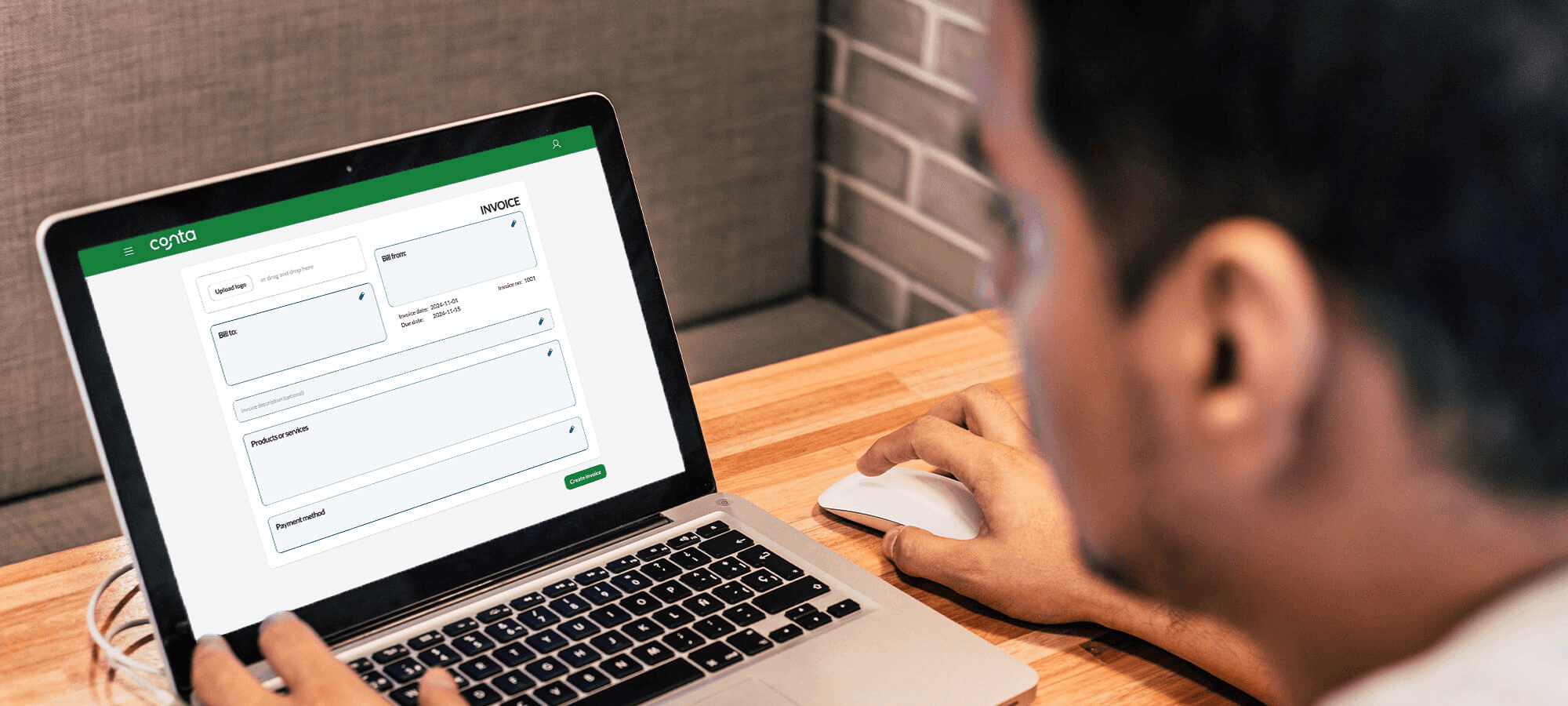
A mix of simple templates, an accounting platform that automates billing, and project tools that export billable time can streamline invoicing. Each method works best for a different scale and compliance need. It’s important to choose the right tool for the client, the required audit trail, and the level of automation desired in the invoicing process. Consider integrating robust payroll software to further streamline your processes.
1. Use Templates for Quick, Consistent Invoicing
When should you use templates, and how can you make sure they work well? Use templates when billing a small group of clients or working on single projects to keep costs low. Turn a template into a system: include fields for invoice number and client code, lock the math with formulas or a mail merge, save it as a signed PDF before sending, and keep a versioned folder in cloud storage so you always have a record. When we standardized templates for a 12-person contractor cohort over six weeks, we saw a clear pattern. Templates reduced drafting time, but manual copy-paste led to the same errors repeatedly. We then implemented basic automation and naming conventions to prevent these issues.
Pros: inexpensive and quick to set up; cons: manual steps can still lead to errors and scaling challenges.
2. Use Accounting Platforms for Automation
What should you expect from an accounting-first tool? Choose platforms that do more than just issue PDFs. They should store client profiles, attach tax documents, display payment previews with exchange rates and fee estimates, support recurring billing, and provide reconciliation reports that integrate with payroll or bookkeeping. For freelancers who need compliant records, it's important to focus on platforms with automated tax document generation and APIs or webhooks for integrations with HR or payroll systems. According to Create & Grow, "Freelancers using automated invoicing methods save an average of 10 hours per month." That saved time usually goes right back to client work or to improving business processes.
Key points: Pros include fewer follow-ups and less manual reconciliation; cons include subscription costs and a learning curve.
How do teams manage approvals and payments?
Most teams manage approvals and payments in the familiar way because this approach is simple and doesn't need new tools. This method might work at first, but as client count and cross-border needs grow, manual processes and spreadsheets create gaps in audits, slower approvals, and reconciliation issues that can worsen over time. Teams find that platforms that combine hiring and onboarding, contractor support, worker-facing wallets, and Visa cards, along with clear payment previews, automated tax documents, and accounting integrations, can speed up review cycles. This change makes invoices a faster, more reliable way to access funds.
3. Use Project Management Tools With Built-In Invoicing
When should you bill in your PM tool, and how do you ensure accuracy? This works when your work is time-based, and your team already tracks activity inside a PM app. Map tasks to billing codes, enforce daily time entries, define rounding rules, and require an approval step before exporting billable hours. Export formats matter: use standardized CSV or JSON schemas that your accounting platform can ingest, and include task IDs that link each line to the deliverable or milestone. The failure mode to watch is untagged work that silently becomes non-billable; fix it by making billable tags mandatory and auditing entries weekly.
Pros: precise proof of work; cons: subscription fees and the discipline cost of daily logging.
4. Export Time Logs or Deliverable Summaries
How should you package evidence so invoices pass accounts payable without a fight? Exports must be easy for machines to read and clear for humans, too. Include timestamps in ISO format, time zone offsets, task descriptions, durations, and a linkable artifact, such as a pull request, signed acceptance, or deliverable URL. Bundle the export with a one-paragraph deliverable summary that connects billed items to contracted milestones. Then, attach both as a single PDF and link the file to the invoice number. For long-term compliance, store raw exports and signed summaries for the retention period needed in your area. This practical discipline matters because more than 70% of freelancers reported that using invoicing tools reduced their payment delays, according to Create & Grow on August 19, 2025. Clear, structured evidence helps to speed cash collections.
What checklist should you follow for invoicing?
- If you have fewer than five clients and low cross-border needs, start with templates, a cloud folder, and electronic signatures.
- For recurring invoices, payroll integration, or frequent international work, choose an accounting platform that offers APIs and tax automation.
- If your billing is hourly and you already use a project management tool, enforce daily time entry and map tasks to billing codes.
- To effectively engage corporate AP teams, provide a signed export and a concise deliverable summary with the invoice.
How to test your invoicing workflow?
A final practical note on adoption: choose one workflow, run it for 30 days with two clients, and review the follow-up emails and time-to-payment. This small test helps determine whether a tool, like our payroll software, makes things easier or just moves the problems elsewhere.
What common issues do freelancers face?
While solutions may seem helpful at first, the problems that often affect freelancers are more personal and procedural than they realize.
Related Reading
- How to Send an Invoice
- Contractor Invoice
- Self-Employed Jobs
- How to Become a Freelancer
- How to Invoice as a Freelancer
How to Invoice International Clients Without Getting Burned by Fees

Protecting your take-home pay means thinking of each invoice as a financial instrument, not just a PDF. It’s important to pick the payment rail that fits the invoice size and purpose. Also, ensure you agree on clear fee arrangements in your contract. For larger amounts, consider using multi-currency holdings and simple hedges to ensure conversion costs don’t quietly erode your profit.
Which payment rail is right for small versus large invoices?
Small invoices bear the greatest burden of fixed fees, making a one-size-fits-all approach ineffective. For bills under $500, it's advisable to use card payouts, e-wallets, or local ACH where available. These options help avoid the significant fixed wire charge that can turn small gigs into break-even work. In contrast, for larger, one-off payments, utilising an FX provider or a local collection account can help keep per-transaction costs low. This tailored approach, based on invoice profiles, shows that businesses can save up to 5% on transaction fees by selecting the appropriate payment method, as noted by Invoice Master in 2024: "Businesses can save up to 5% on transaction fees by choosing the right payment method." Adjusting payment rails can effectively change a business’s bottom line rather than simply impacting bookkeeping.
How do you write fee language that clients respect?
Making the fee allocation a line item is essential. Give the client two clear choices: pay gross or pay net plus a stated processing allowance. Practical phrasing works best; for example, "Invoice total payable gross via client bank transfer, or net to beneficiary when paid via Provider X; client elects payment method at time of remittance." Include a payment preview that shows the net amount the client will receive under each method, and require their initials on that preview." This approach turns an abstract negotiation into a signed operational choice. It helps prevent excuses like "I thought the bank would cover it."
When should you hold foreign-currency funds rather than convert them immediately?
If you invoice the same client multiple times or expect to incur costs in that currency, consider keeping the funds in a multi-currency account. Convert it thoughtfully, rather than immediately after you receive it. According to Invoice Master, 2024, "Using multi-currency accounts can reduce currency conversion costs by 3-4%", having balances in the currency you invoiced can make up for themselves over several transactions. Set clear guidelines: convert when a balance hits a certain level or when a quoted forward rate reaches a target. It's also important to write down these decisions in your bookkeeping to explain why you chose that conversion time.
What defensive measures protect large invoices from FX volatility or unexpected fees?
For large one-time invoices, consider splitting payments into milestones. Start with a significant down payment or secure a rate with a forward contract for a short time. Include conditional clauses requiring the client to reimburse any third-party bank fees if they choose a more expensive rail after agreeing to the invoice terms. When possible, use escrow for high-risk deals to avoid sudden FX changes or reconciliation delays for either party. These strategies move risk from random disputes to clear contract rules.
How can you better manage billing for international invoices?
Most teams manage billing in a familiar way, as it seems easy at first. However, this familiarity hides growing costs as volume and cross-border complexity increase. Hidden costs show up as thinner margins and more time spent on reconciliations, creating not only a louder accounting headache but also inefficiencies. Platforms like Ontop solve this problem by centralizing payment previews, automating tax paperwork, providing instant USD accounts and worker wallets, and offering card payouts. This approach helps teams accelerate review cycles and maintain clear net receipts, turning a recurring issue into steady cash flow.
What analogy can help you understand invoicing strategies?
Think of your invoice like a small boat crossing a river. One method may float for a day, but choosing the right channel, timing, and tether helps you avoid drifting into costly rapids. For businesses looking to streamline their processes, investing in efficient payroll software can make navigating the financial waters much smoother.
What does this mean for companies' invoicing choices?
The next part shifts the question from "How do I stop losing money?" to "Why do so many companies choose one specific approach and stick with it?"
Invoicing Doesn’t Need to be Complicated: See why 950+ Companies Trust Ontop
Invoicing can often feel like a slow-motion slog, with a lot of time going by between finishing work and getting paid. However, it doesn't have to be that way. Discover why over 950 companies trust Ontop to make billing consistent, compliant, and predictable. For anyone seeking fewer template edits, clearer payment terms, and a single workflow that turns cross-border invoices into cash, Ontop offers a practical solution to streamline invoicing and payments. Payroll software helps streamline these processes for businesses.
Related Reading
- Contractor Payment Solutions
- Paying Freelancers
- Contractor Payment Services
- Contractor of Record
- Payment Methods for Freelancers