






Building a global team opens doors to exceptional talent, but the path from identifying the right candidate overseas to getting them paid compliantly can feel like navigating a maze of employment laws, tax regulations, and currency conversions. When companies are ready to hire international employees, the excitement of accessing a worldwide talent pool quickly gives way to the reality of managing cross-border payroll, understanding local labor laws, and ensuring every payment meets compliance standards.
The right technology transforms what seems overwhelming into something manageable by handling the complexity of paying global team members while businesses focus on growth. Instead of spending weeks researching employment regulations in different countries or worrying about misclassification penalties, companies can use streamlined systems that automatically manage local compliance requirements, contractor classifications, and international payments in one place. This approach eliminates the stress of juggling multiple legal frameworks and time zones, making international hiring straightforward and efficient. Companies looking to simplify their global operations can leverage comprehensive payroll software that handles these complexities automatically.
Table of Contents
- Why International Job Opportunities Often Become Complicated After the Offer Stage
- The Biggest Frustrations International Employees Face After Getting Hired
- What International Workers Actually Need From a Global Employer
- Questions Remote Workers Ask Before Accepting an International Role
- Why Flexible Work Infrastructure Matters More Than Just Landing Remote Jobs
- How Ontop Helps Remote Workers Navigate International Employment More Easily
- Book a Demo Today - See why 950+ Companies Trust OnTop to Power their Global Teams
Summary
- Global hiring enthusiasm typically crashes during onboarding when companies realize they lack the infrastructure to support international employees. Buffer's 2023 Remote Work Report found that 22% of remote workers cited unclear communication around onboarding timelines as their top frustration when joining international teams. Contracts stall in legal review for weeks, payment timelines remain vague, and workers discover their classification (employee versus contractor) only after accepting the offer. The opportunity itself is rarely the problem. The operational systems behind it are almost always.
- Payment delays erode the financial stability that makes remote work sustainable. Late invoice payments are a widespread reality for freelancers, and many report being paid late more often than on time. For workers managing rent, travel costs, or international living expenses across multiple currencies, delayed payments create cash flow instability that undermines the appeal of location flexibility. The advertised salary and the actual take-home amount often diverge when hidden currency conversion fees, transfer charges, and intermediary banking costs quietly reduce earnings.
- Misclassification affects an estimated 30% of cross-border remote workers, according to a 2024 International Labor Organization study. Companies often classify workers as independent contractors to avoid establishing legal entities in foreign countries, even when the work arrangement mirrors traditional employment. This shift changes tax obligations, benefit eligibility, legal protections, and long-term financial planning. Workers discover these details only after accepting roles, leaving them responsible for compliance requirements they didn't anticipate and weren't prepared to navigate.
- Administrative fragmentation becomes the invisible cost of international employment. The State of Freelance Work 2025 found that 49% of companies still rely on spreadsheets to manage contracts and billing, even as 37% now hire freelancers internationally. Workers juggle separate systems for contracts, invoicing, payment processing, currency conversion, and access to funds. Each platform transition introduces delays, fees, or potential errors. What should be straightforward income management becomes an ongoing administrative project that consumes time workers expect to spend on actual work.
- Traditional bank transfers for cross-border payments averaged 4.8% in total fees, including conversion markups and intermediary charges, according to a 2024 Wise report. These costs compound for digital nomads earning in one currency while traveling through several others. Payment systems that force automatic currency conversion upon arrival eliminate worker control over exchange timing and reduce purchasing power across different regions. Transparent fee structures and multi-currency account access become essential for workers managing international income, not optional conveniences.
- Payroll software addresses this by consolidating contracts, international payments, compliance documentation, and multi-currency access into a unified infrastructure that reduces onboarding from weeks to days while eliminating hidden intermediary fees.
Why International Job Opportunities Often Become Complicated After the Offer Stage
The excitement of getting an international job fades once you start working. What looked simple becomes delayed paperwork, unclear payment timelines, and confusing legal classifications. The job offer itself is seldom the problem; the way the company is set up to handle it is.

🎯 Key Point: Post-offer complications stem from inadequate company infrastructure, not from the opportunity itself. Most organizations lack the proper systems to handle international employment smoothly.
"78% of international hires report experiencing significant delays in onboarding processes due to administrative bottlenecks and unclear procedures." — Global Workforce Report, 2024

⚠️ Warning: These operational gaps can turn your dream opportunity into a frustrating experience that delays your start date and creates unnecessary stress during what should be an exciting career transition.
The Onboarding Gap
Most companies hire workers in other countries before establishing systems to support them. Contracts stall in legal review when no one knows which country's employment laws apply. Identity verification takes longer without access to international background check providers. Tax forms arrive in unfamiliar formats and languages. A job that should start in two weeks stretches to six weeks with no clear explanation. According to a 2023 Remote Work Report by Buffer, 22% of remote workers cited unclear communication about onboarding timelines as their top frustration when joining international teams.
Payment Structures That Create Confusion
The contract arrives, but the payment section raises more questions than it answers. Will you be paid as an employee or a contractor? Does the stated salary account for currency conversion fees? How long after you send an invoice will money arrive in your account? Some companies promise monthly payments but operate on 45-day cycles because their finance teams process international transfers by hand. Others use third-party payment providers that charge conversion markups of 3% to 5% per transaction, reducing take-home pay without disclosure. Workers discover these details only when the first payment arrives smaller and later than expected.
Classification Uncertainty
The line between employee and contractor blurs across borders. A company might classify you as an independent contractor to avoid establishing a legal business in your country, even when the work arrangement mirrors a regular job. This classification affects tax obligations, eligibility for benefits, legal protections, and how you describe your role to future employers. According to a 2024 study by the International Labor Organization, misclassification affects an estimated 30% of cross-border remote workers, often leaving them responsible for unexpected taxes and insurance. Many workers accept these terms because the opportunity seems valuable, only to discover months later that the financial and legal burden exceeded their expectations.
Access and Banking Barriers
Getting paid from other countries is difficult due to regional regulatory differences. Some countries restrict the types of money you can receive directly, impose limits on foreign income transfers, or require extensive paperwork for each payment. Workers often find their local banks incompatible with their employer's payment system, forcing them to open accounts with international fintech companies or accept longer payment delays. Ontop's payroll software addresses this by connecting to local banks and supporting multiple currencies, allowing workers to receive funds in their preferred currency without navigating a fragmented financial system.
The Compliance Maze
Tax obligations don't stop while you figure them out. Remote workers hired internationally often receive little guidance on reporting requirements, withholding responsibilities, or how to document foreign income for their home country's tax authority. Some discover at year-end they owe penalties for incorrect filings, while others find their employer withheld taxes in the wrong jurisdiction, requiring accountants in multiple countries to resolve the issue. Companies extending these offers rarely provide support beyond stating that workers are responsible for their own tax compliance.
The daily reality of working across borders brings unanticipated challenges.
Related Reading
- Best International Payroll Software
- Pay International Employees
- How Much Does It Cost To Outsource Payroll
- Global Payroll Implementation
- Benefits Of Hiring Remote Workers
- Multi-Country Payroll Outsourcing
The Biggest Frustrations International Employees Face After Getting Hired
Remote workers discover that getting hired internationally is easier than working internationally. The systems supporting cross-border employment often appear hastily adapted for global jobs rather than designed for it from the outset.

🎯 Key Point: The hiring process may be streamlined, but the actual day-to-day operations of international employment often reveal significant gaps in infrastructure and support systems.
"Many international remote workers find that post-hire challenges are significantly more complex than the recruitment process initially suggested." — Global Employment Research, 2024

⚠️ Warning: Don't assume that a smooth hiring experience means the company has robust systems in place for ongoing international employment support. The real test comes after you start working.
What causes onboarding delays for international hires?
Slow onboarding stretches what should be a focused first week into a fragmented month. Workers accept offers but wait two or three weeks for login credentials, equipment approvals, or timesheet instructions. Companies hiring across borders underestimate how long it takes to set up payroll systems, finalize compliance paperwork, or coordinate identity verification across time zones. The worker sits ready to contribute while the infrastructure lags.
How does global hiring scale affect onboarding problems?
This problem intensifies with global hiring. According to The State of Freelance Work 2025, 37% of companies hire freelancers from other countries, yet 49% still use spreadsheets to manage contracts and billing. For workers, this creates delays, inconsistent communication, and confusion about start dates.
Payment Fragmentation Across Multiple Platforms
Managing earnings becomes a daily puzzle. Remote workers juggle multiple systems for contracts, invoicing, payments, currency conversion, and access to funds while traveling. One platform holds the contract, another processes invoices, a third handles currency conversion, and a fourth manages withdrawals. Each transition introduces delays, fees, or errors.
How do payment delays affect international workers?
Freelancers frequently experience late invoice payments, and many report being paid late more often than on time. For workers covering rent, travel costs, or living expenses abroad, delayed payments can create cash-flow problems. The promise of working from anywhere loses its appeal when you're unsure whether this month's paycheck will arrive before next month's rent is due.
What impact do currency conversion fees have on earnings?
Currency conversion fees quietly eat away at earnings. A worker negotiates what seems like a strong international salary, only to lose portions of it to exchange-rate markups, withdrawal fees, and repeated conversions. The advertised rate and the actual take-home amount often differ significantly.
What happens when worker classification remains unclear?
Unclear contracts and worker classification create ongoing uncertainty. 40% of freelancers believe they've been misclassified as contractors when they should have been employees, while 36% of companies admit to sometimes or always misclassifying workers. This confusion affects taxes, legal protections, benefits, and long-term financial planning. Workers find themselves responsible for following unfamiliar rules in unfamiliar jurisdictions.
How do payment providers limit international worker flexibility?
Many freelancers work with U.S. companies but struggle to keep their earnings in dollars. Some payment providers automatically convert currency upon arrival, limiting flexibility and control over international income. Workers lose the ability to decide when and how to convert funds based on favorable exchange rates or their own financial strategy.
What challenges do digital nomads face with banking systems?
Managing paperwork and rules becomes confusing when you travel or move to a new place. A digital nomad moving between countries might encounter banking systems that don't work for them, account limits, tax questions, or slow access to their money. The systems that support remote work weren't built for workers who move around, even as companies promote borderless jobs.
These problems reveal what global workers prioritize once the initial excitement of working internationally fades.
What International Workers Actually Need From a Global Employer
While pay matters, international workers' long-term experience depends on how smoothly the day-to-day side of employment works. A strong international work setup should help workers feel financially stable, operationally supported, and able to manage their work life without constant administrative friction.

For freelancers, remote employees, and digital nomads, several factors matter most.
🎯 Key Point: The most successful global employment relationships prioritize operational smoothness over just competitive compensation packages.

"International workers consistently rank administrative simplicity and financial stability as more important than salary premiums when choosing long-term employment partnerships." — Global Remote Work Survey, 2024
💡 Tip: Focus on creating seamless processes that eliminate daily friction points rather than just offering higher pay rates to attract top international talent.

Fast Onboarding
Long onboarding delays create uncertainty and financial stress. International workers often accept roles but wait days or weeks for contracts, payroll setup, compliance documents, or payment systems, delaying income during critical transitions between projects.
Fast onboarding reduces the gap between accepting an opportunity and getting paid, creating a professional experience that builds worker confidence. For remote workers relying on consistent income, speed and clarity during onboarding directly affect financial stability.
Reliable Global Payments
Getting paid on time is critical for international workers. Remote workers need assurance that earnings will arrive consistently regardless of location. Late or unpredictable payments create serious budgeting problems for freelancers and digital nomads who manage housing, transportation, insurance, and other expenses across multiple countries.
Late payments are a common experience for freelancers. Workers need financial predictability, not payment methods alone.
Transparent Financial Access
International workers lose income due to hidden exchange-rate markups, transfer fees, intermediary banking charges, and unclear payout timelines. Without transparency, they cannot accurately plan finances or estimate take-home earnings.
Transparent financial access means workers can clearly understand payment timelines, currency conversion rates, transfer fees, withdrawal costs, available currencies, and how to access their earnings, enabling informed financial decisions and helping them avoid unpleasant surprises.
Flexibility for Remote Lifestyles
Remote workers manage finances differently than traditional employees: some live abroad permanently, others travel frequently, and many earn in one currency while spending in another. International workers need more flexibility than standard domestic payroll systems provide.
How can payroll software support location-independent workers?
An effective setup should support workers who travel regularly, manage multiple currencies, access international payment tools, receive cross-border earnings, and maintain flexibility in how they hold or spend funds. Without this flexibility, location independence becomes financially restrictive.
Payroll software that handles multi-currency payments and cross-border compliance automatically can compress weeks of back-and-forth into days, giving workers faster access to earnings while reducing administrative friction. Our platform streamlines these processes, making it easier for distributed teams to manage global payroll at scale.
Centralized Work Infrastructure
Remote workers often use multiple tools for contracts, invoices, payroll, banking, payment transfers, and currency management. This fragmentation creates administrative fatigue and increases the risk of delays or mistakes.
A centralized work infrastructure reduces disconnected systems, making it easier to track payments, access contracts and records, manage earnings, monitor onboarding progress, and organize financial documentation. For digital nomads and freelancers balancing multiple projects or clients, this operational simplicity improves day-to-day quality of life.
International Work Should Feel Sustainable, Not Complicated
Remote workers seek international opportunities for greater freedom and flexibility. Without strong operational support, global work becomes stressful. Fast onboarding reduces payment delays. Reliable global payments improve financial stability. Transparent financial access helps workers retain more earnings. Flexible systems support international lifestyles. Centralized infrastructure reduces administrative burden.
For many international workers, the best global employers aren't simply those offering remote jobs; they're the ones making global work easier to manage after hiring.
Knowing what workers need is only half the picture. The other half is understanding what questions they ask before committing.
Questions Remote Workers Ask Before Accepting an International Role
Before signing an international employment contract, workers should ask operational questions that reveal how a company functions across borders. Payment infrastructure, contract clarity, and financial access determine whether the role becomes sustainable or stressful. The right questions surface potential friction points before they become daily frustrations.

🎯 Key Point: Ask about payment methods, currency conversion fees, and banking requirements before accepting any international remote position.
"67% of international remote workers report payment delays or complications as their biggest operational challenge in the first 90 days of employment." — Global Remote Work Survey, 2024

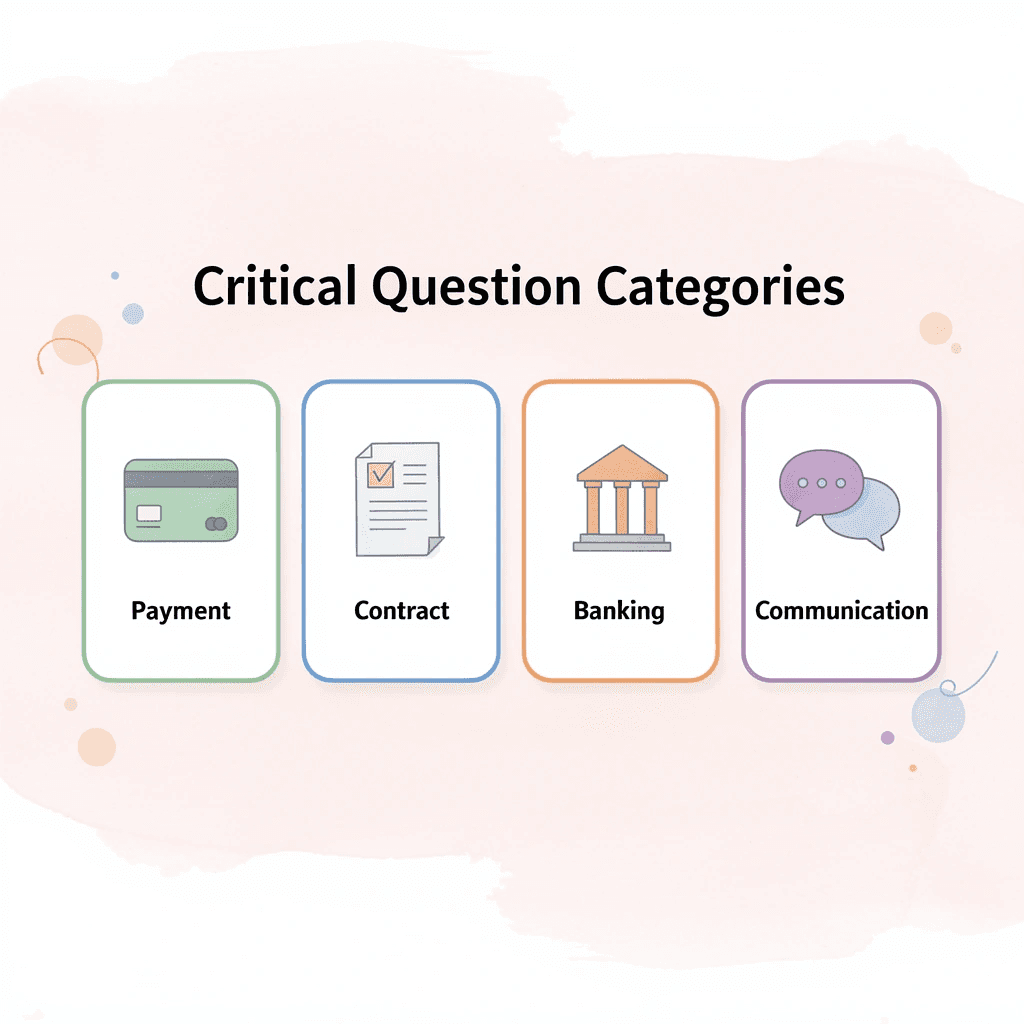
Critical Question Categories
- Payment infrastructure
- What to ask: Currency support, transfer methods, and all associated fees
- Why it matters: Determines how efficiently and cost-effectively money moves across systems and borders
- Contract terms
- What to ask: Governing law, jurisdiction, and dispute resolution process
- Why it matters: Defines legal protection, enforceability, and risk exposure in disagreements
- Financial access
- What to ask: Banking requirements, withdrawal conditions, and tax support availability
- Why it matters: Impacts liquidity, compliance burden, and ease of accessing funds
- Communication
- What to ask: Time zones, response expectations, and meeting availability
- Why it matters: Affects coordination speed, operational efficiency, and relationship management
⚠️ Warning: Never assume your home country banking will seamlessly work with international employers - always verify payment compatibility and transfer timelines upfront.
How will I receive payments internationally?
How you get paid matters more than most workers realize. Some companies use centralized payroll systems that handle currency conversion, compliance, and transfers automatically. Others use fragmented setups in which workers invoice manually, wait for bank wires, or manage multiple third-party platforms, each taking a cut. Understanding the payment process upfront helps you determine whether you'll receive consistent income or spend hours troubleshooting delays and tracking transfers.
Will I have access to USD earnings or multiple currencies?
Remote workers who travel frequently or live in countries with volatile currencies often prefer to keep their money in USD or other stable currencies rather than face automatic conversion with each payment. Platforms like Ontop let workers receive and hold earnings in multiple currencies, reducing conversion fees and giving them control over when and how they exchange funds.
What fees or conversion costs should I expect?
Hidden fees slowly reduce earnings over time. Workers should ask about currency conversion markups, withdrawal fees, intermediary banking charges, and transfer costs before accepting a job. A 2024 report from Wise found that traditional bank transfers for cross-border payments averaged 4.8% in total fees, including conversion markups and intermediary charges. Honest companies disclose these costs upfront, while others leave workers discovering unexpected deductions only after their first payment arrives smaller than expected.
Can I access my earnings easily while traveling?
When money arrives and when you can use it are two different issues. Some international payment systems limit withdrawals by location, require additional verification for new countries, or require local bank accounts that digital nomads don't maintain. Ensure you can access your money easily wherever you are; moving around offers little benefit if your earnings get stuck in systems that don't function well while traveling.
What documentation and contracts are provided?
Clear contracts and organized payment records simplify tax filing and financial planning. Workers should understand their employment agreements, whether contracts comply with local regulations, and how payment records are maintained. Companies with robust international systems provide organized records that streamline year-end tax preparation, eliminating the need for workers to reconstruct payment history from scattered email confirmations and bank statements.
But asking the right questions only helps if the company's infrastructure can deliver what workers need.
Why Flexible Work Infrastructure Matters More Than Just Landing Remote Jobs
The systems that support international work determine whether remote employment feels freeing or tiring. A well-paying remote job becomes hard to keep when workers spend hours managing fragmented administrative processes, chasing delayed payments, or troubleshooting cross-border banking restrictions. Infrastructure matters as much as the job itself.

🎯 Key Point: The difference between remote work success and burnout often comes down to the quality of your operational infrastructure, not just your job skills or salary negotiations.
"Infrastructure matters as much as the job itself when it comes to sustainable remote work across international boundaries."

⚠️ Warning: Many remote workers focus exclusively on landing the job while ignoring the backend systems that will determine their long-term success and work-life balance.
How do payment restrictions limit digital nomad mobility?
Digital nomads work remotely to move around easily, but payment systems create unexpected problems. Some platforms block account access from certain countries, forcing workers to maintain banking relationships in places where they no longer live. Others require currency conversions that reduce purchasing power when workers move between regions with different exchange rates.
What financial challenges do multi-currency earners face?
The problem intensifies for professionals earning in one currency while traveling through several others. Payment systems that lock funds into specific currencies or charge fees for each withdrawal reduce both income and flexibility. According to Founder Reports' Remote Work Survey, 64% of remote workers say they would look for a new job if required to return to the office full-time, yet many find their financial infrastructure limits the mobility they sought.
The Hidden Time Cost of Disconnected Systems
Administrative overhead becomes the invisible expense of international work. Professionals expecting to build skills or explore new locations instead manage invoices across multiple clients, track payments through different platforms, reconcile currency conversions, and organize scattered tax documentation.
This fragmentation creates ongoing cognitive load. Workers must remember which client uses which system, when each platform processes transfers, what fees apply to different withdrawal methods, and how to access funds across various banking relationships. The mental energy required to maintain these disconnected workflows compounds over time, turning income management into a continuous administrative burden.
How does centralized infrastructure benefit international workers?
Platforms built specifically for international workers consolidate contracts, payments, currency management, and compliance documentation into one unified system. Our platform reduces onboarding time, eliminates payment delays caused by manual processing, and provides transparent access to earnings across currencies without forced conversions or hidden intermediary fees.
Professionals spend less time fixing payment issues and more time on income-generating work. Tax preparation becomes easier when all documentation is in one system rather than scattered across email and dashboards. Geographic mobility improves when payment access isn't restricted by country or dependent on outdated banking relationships.
What determines whether these systems actually solve problems?
But infrastructure alone doesn't guarantee a smooth experience. The way these systems work in practice determines whether they solve problems or simply reorganize them.
Related Reading
- How To Pay a Foreign Contractor
- How to Hire Overseas Contractors
- Benefits Of Hiring Remote Workers
- International Payroll Management
- Best Way To Pay International Contractors
- Benefits Of Hiring International Employees
- Best International Payroll Providers
- B2b Cross-border Payments
How Ontop Helps Remote Workers Navigate International Employment More Easily
The difference between smooth international employment and chaotic fragmentation often comes down to whether systems talk to each other or force you to become the translator between disconnected platforms. Centralized infrastructure consolidates what once required five separate tools into a single workflow.

🎯 Key Point: Ontop's unified platform eliminates the need to juggle multiple vendors for payroll, compliance, and benefits management across different countries.
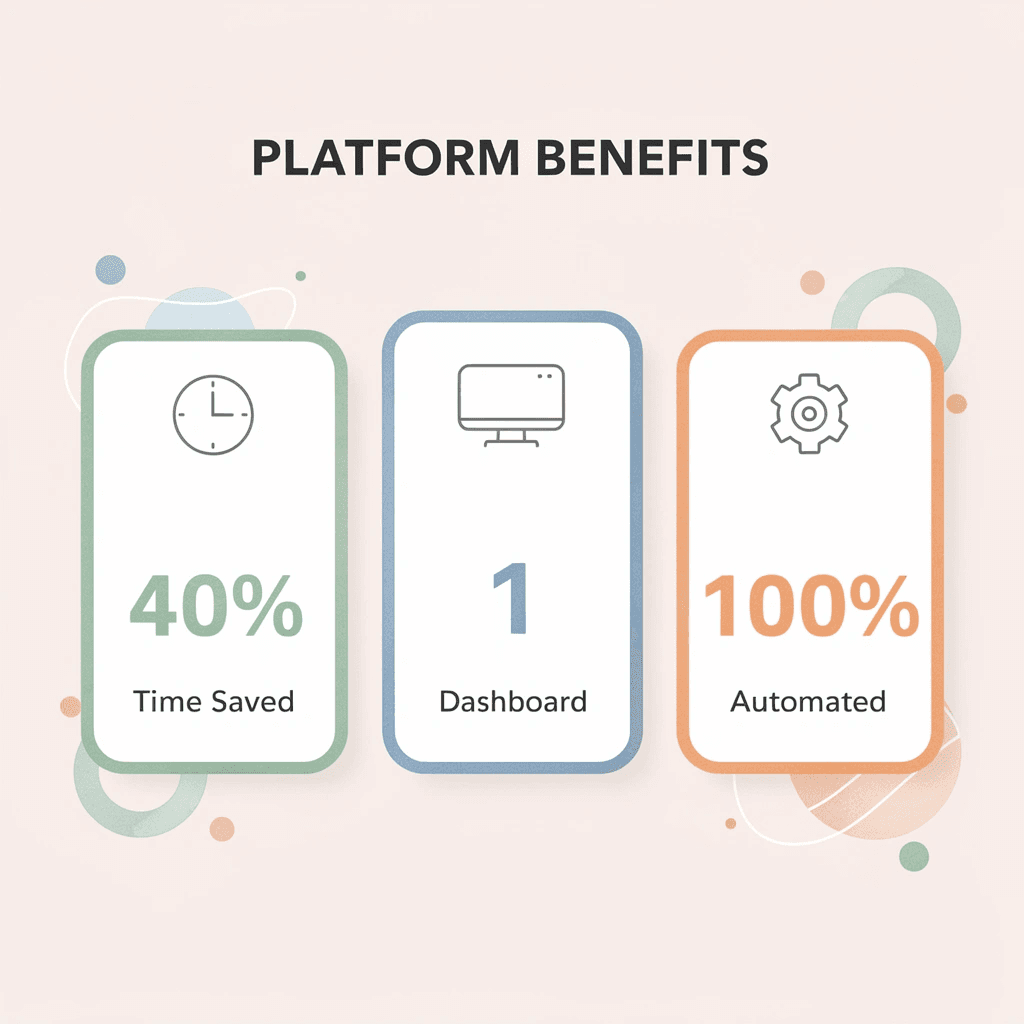
"Remote workers using integrated employment platforms report 40% less time spent on administrative tasks compared to those managing multiple separate systems." — Remote Work Association, 2024

💡 Tip: Look for platforms that offer end-to-end solutions rather than piecemeal services that require constant coordination between different providers.
Faster onboarding means earlier income
Speed matters when moving between jobs or starting a contract. Platforms that automate contract generation, identity verification, and payroll enrollment can reduce onboarding from weeks to days. According to Forbes Advisor, 98% of workers want to work remotely at least some of the time, yet slow administrative processes create friction between offer acceptance and the first paycheck. Onboarding in 48 hours instead of two weeks lets you start earning sooner and avoid financial gaps from delayed setup.
Payments across borders without the markup
Cross-border payment infrastructure determines whether your salary arrives intact or diminished by hidden fees. Systems routing payments across 150+ countries without intermediary markups preserve more of what you've earned. Converting at transparent rates rather than through third-party providers, which add 3-5% per transaction, creates measurable differences in your account balance.
USD accounts and global spending tools
Holding earnings in USD provides stability when local currencies fluctuate or when moving between countries frequently. A global Visa card connected to that account lets you pay for coworking spaces in Lisbon, groceries in Bangkok, or flights without foreign transaction fees or currency conversion delays. Zoom's remote work research shows 62% of workers aged 22 to 65 work remotely at least occasionally, and many need financial tools that move as freely as they do.
What was the experience like before centralized platforms?
Before centralized platforms, a freelancer in Argentina working for a U.S. company might juggle a contract signed through DocuSign, invoices sent via email, payments routed through PayPal (with conversion fees), and a separate banking app to access funds locally. Mistakes in any part of the chain could delay payment by days or weeks.
How do modern payroll platforms simplify this process?
After switching to payroll software that integrates onboarding, international payments, and financial tools into a single system, the worker signs contracts, receives payments, and accesses funds through a single dashboard. Our integrated platform reduces cognitive load, minimizes error rates, and transforms international work from an administrative burden into the job you were hired to do.
But infrastructure matters only if companies follow through on their promises.
Related Reading
- Best Payroll Software For Staffing Companies
- Best Payroll Outsourcing Companies
- Deel Vs Oyster
- Best International Payroll Software
- Best Payroll For Contractors
- Remote Competitors
- Velocity Global Competitor
- ADP Alternative
Book a Demo Today - See why 950+ Companies Trust OnTop to Power their Global Teams
Ontop of that, it makes international work easier through global payments, USD accounts, and centralized onboarding. In your first session, see how managing international earnings and cross-border work becomes simpler.

🎯 Key Point: Over 950 companies use Ontop to power their global teams. Book a demo and discover how hiring across borders changes from a compliance puzzle into a real opportunity.
"Over 950 companies trust Ontop to simplify their global workforce management and transform cross-border hiring challenges."

💡 Tip: Don't let compliance complexity hold back your global expansion. See how Ontop's platform turns international hiring from a bureaucratic headache into a strategic advantage for your business.